

No matter what kind of story you’re writing, you only get one chance to make a first impression on your reader. It has to go beyond good—way beyond—to turn that first impression into commitment.
We’re asking a lot of our readers. To commit their time and attention to our stories. To devote their hearts to our characters. To invest their excitement in every twist and turn of our plots. Readers know it’s a big ask. So, we have to put the goods on the table from the very first page—starting with the first sentence.
This six-week, small-group, live, Zoom workshop will help you craft an unforgettable opening.

Join us at the Story Works Round Table as we welcome back the talented author Paulette Stout to talk about the art of writing spicy scenes. Join us as we explore how to craft intimate moments that enhance character development, tension, and narrative arcs, regardless of genre. Paulette shares her insights on the importance of emotional depth in intimate scenes and offers practical tips for writers looking to incorporate spice into their storytelling. Don’t miss this enlightening conversation!
“If you’re going to be exploring the full measure of humanity in your story, having romantic partners that aren’t intimate is a missed opportunity.” – Paulette Stout
AUDIO
TRANSCRIPT
This transcript is AI generated. If you notice any inconsistencies or errors, blame the bot.
Alida Winternheimer: Paulette Stout joins us again to talk about spicy scenes. How to write them, how not to write them, why you shouldn’t shy away from writing them, no matter what genre your type of fiction is. I think you’ll like this episode because Paulette is a friend of ours and we always have fun when she is on the show. Now, if you’re ready to write your novel, head over to wordessential.com check out my editing, coaching and writing workshops. There is so much going on this year and I would love to meet you, talk about your stories and help you grow your craft.
Welcome back to the roundtable, Paulette. We are thrilled to have you here to talk about spicy scenes, one of your specialtiesh.
Paulette Stout: Yeah, it is. Thank you for having me.
Alida Winternheimer: Of course. So, first off, let’s establish genre because intimate scenes are not just for romance writers. Therefore, any genre where you’ve got characters in a relationship who end, up, you know, getting a little hot and bothered. Right?
Paulette Stout: No, for sure. Yeah. I mean, I consider myself a women’s fiction writer and I have opened door spice. I understand that thats unusual for our genre. but there’s lots of other genres. You know, thrillers have, you know, James Bonds always happened to build somebody. You know, there’s, you know, paranormal, you know, epic fantasy. there’s, you know, there’s spice and you know, certain things obviously not clean, nothing clean would have the open door, but you can kind of get there and then go away, you know, so there’s lots of different ways to handle it and lots of different genres.
Alida Winternheimer: Yes, absolutely. It’s not just for romance writers. And now what makes a scene spicy? Because we aren’t talking about tame, your grandma’s Ms. Marplble, knitting in the corner and erotica. There’this whole spectrum of stuff in between. So how would you describe spicy scenes versus not spicy?
Paulette Stout: Yeah, I mean, it’s a great question because it is a continuum. for sure. And I think that for instance, my third book, most people would give three flames or whatever. And I thought it was pretty spicy. Is also. So it kind of. You can think of it in a few ways. One, it’s how many, how many bedroom scenes are there? How many intimate scenes are there in the entire book? and also how graphic are you in terms of how you describe the scenes and what’s going on between the two characters? So I think the intensity of those two things can kind of help you grade how spicy the actual book is, the number of scenes and the level of intimacy in them. How long each scene is also can kind of add to the spice. If you have a whole chapter where the entire scene is the lovek making, then that will also up the spice level. So there’s lots of different gredients that can help you decide how Spicy youn Toa describe your book as based on what you’ve put in it.
Alida Winternheimer: So tell us a little bit about the role spicy scenes play in our narrative arcs. Like in terms of character and plot development or even tension and advancing that story.
Paulette Stout: I think it’s a critically valuable tool that I think more authors should be using frankly. Because you know, intimacy is so intense. You know, it’s deeply personal, there’s all kinds of baggage. And just like you have a scene where you have a character who is bringing their whole life into that moment. You know, they are bringing their past experiences, they’re bringing their angst, they’re bringing their hang ups, they’re bringing their reservations, they’re bringing their concerns and their misgivings and they’re bringing all of that into this moment. And both characters are so I know that when I work with my editor, she’s always advises, you know, who has the most conflict in that moment and have it be from that person’s point of view. Because then there’s, you know, and then there’s different types of, you know, scenes in terms of when you use the scenes and who has the. And how far does it go? Is it interrupted? Is it, you know, are. Because in my current book you what we give away, there’s a scene where they start and then stop themselves because it’s, you know, it feels there’s a conflict there that’s happening. so there’s all types of purposes that you can advance through the use of intimacy. And I think that as. And the intimacy
Paulette Stout: I believe in a story should have an arc as well. You should potentially start with some hesitation and not complete follow through and kind of build up. You know, one person’s engaged and the other person maybe isn’t engaged with. Then by the end they’re both fully engaged. And you know, so you can have like almost a narrative arc to how the int. Int scenes developed throughout a manuscript.
Alida Winternheimer: Right. And I think what you’re describing is just good storycraft. You that’ probably the dividing line between fiction with intimate scenes, however spicy and erotica. Because in erotica those scenes exist for the sake of titillation, they exist for the sake of existing. Whereas in other stories they exist for all the purposes. You were just describing they have that arc. They’re developing a character. There’s some kind of tension or friction there. They’re advancing the story. So it’s.
Paulette Stout: Yeah, yeah. Interesting. Yeah. It’s like, obviously, you know, some people, to your point, like, some people say, you know, erotica is basically, there’s a little bit of connectiveue between the scenes, but the story exists to advance, you know, to give opportunities for these characters to be intimate with each other. But there isn’t much know in between. I would argue good erotica has just enough storytelling in those connective tissues to make those scenes have more impact. But then there’s just some, you know, Bingham, Smashm, whatever, and that’s what people want. That’s great. But the other, you know, I think that, you know, why some people, you know, may or might not like. My story is like, I include open do spice because I find it such a valuable tool to advance the relationships between the characters and to add tension and gravitas to each of these moments. that is just. It’s kind of hard to do without it, I find. it’s just like a missed opportunity. And I feel like if you’re going to be exploring the full measure of humanity in your story and if you have a romantic relationship, having romantic partners that aren’t intimate to me, for me, I’s like a little bit of a myth. You know, I. When I’m reading a book and the fades to black and, like, comes the next, like, I’m disappointed because I want, you know, you feel like you’re invested in these characters and you want them to have that moment together. And, you know, not being able to experience it with them feels almost like you’ve just missed a chapter in the book. Like, the pages are missing in the book. And so I like to have that, moment on the page.
Alida Winternheimer: Right. Yeah. And I find in my writing, if characters are in a relationship, I want to be with them as they connect and evolve and grow in their relationship and through the moments of attraction and the moments of friction and whatever else is happening in that relationship. And as you’re saying, it would be unnatural to pull back. It would be like we’re in a point of view, character headspace. We have interiority. We have bodily experience with this person. But, oh, not here, not now. We’re going to step around it. And I think that’s okay if people want to write clean or they’re writing in those genres. But for my stories, when I’ve gone into those experiences with my characters, it’s because that’s where the character is going on her journey. Right. So for me to pull away from that just would have felt like I was taking us away from her.
Kathryn: Well, I think there’s an argument to be made, too, that you can write clean or maybe ungraphic and not pull away from that scene. I mean, we deal in metaphor and imagery all the time. So you can pull back away from, like, describing something in a way would make you feel uncomfortable or would make your audience feel uncomfortable and still stay with the character through an intimate moment without having to be graphic and, you know, however that makes you feel in terms of as you’re writing your story, I think you can still be true to the characters, true to the moment. And, Paulet, I love how you’re talking about this as, like, it’s an emotional, vulnerable, intimate moment. We aren’t just talking about the act of sex here. We’re talking about, hey, like, there’s a whole thing wrapped up here. So I think it’s kind of a cop out to say I write clean.
Paulette Stout: Yeah, and I agree with you, too. you know, everyone can write what they’re comfortable with. you know, but I like to see those. And I think that where people get hung up is on the mechanics of sex. And what they miss as authors and creators is the emotions and the relevance and the meaning of what that act is doing for the people. It’s more about how is that character experience that moment? What is the significance of that moment to that character and you. That’s where you can be in their head and you can feel the feelings without describing how they’re having the feelings, like they are having the feelings they are with the person. You can be really, you know, vague sometimes and have a very, like, erotic, meaningful moment, because it’s really about the experience of the character and what. It’s not what’s happening so much, although it is sometimes. But it’s more about how is that impacting them and making them feel like sometimes you. I love what I read. An intimate scene, and it’s like, triggering memories. It’s triggering. And they’re having a little moment in themselves of, you know, a blissful moment, because it’s taking them back and they’re. You. They’re feeling sunshine on their face. They’re feeling like they’re in a waterfall. They feel like all these things they feel. Remembering the time. You know, there’s a smell that triggers a memory. You know, it doesn’t. The character doesn’t always have to be fully focused on the moment of what’s happening physically between the characters. Because it’s all about how that is impacting that and how is it impacting them and what are they thinking, what are they feeling? And then you can kind of dip back in. You know, those moments are really powerful too. And those can be really beautifully done without a lot of, you know, ins slir a into slot B. You know, a lot of that stuff.
Alida Winternheimer: Right. I would say with none. None of that. Insert y sloppye. Yeah. You know, again, as I’m listening to you, I’m thinking, and this is just good storycraft, right. And I think maybe some writers shy away from intimate scenes, because they think it’s going to become tabbe and into sloppy because they aren’t sure how to handle it. They maybe haven’t approached it before or practiced it enough to find the craft around it. How to express the experience of intimacy instead of the mechanics of intimacy on the page. Because when were reading and were immersed in the characters experience, then even if it is tit deling for the reader, thats not the point. The point is youre with the character. Youre in her experience or his experience, not focused on your own so much. And thats about so many other things than just skin on skin.
Paulette Stout: Right. And I think it can be a really powerful tool depending on the types of books you’re writing. Because what is that person’s worldview about intimacy and what are they bringing to that moment? So if someone is coming out of a really damaged, you know, upbringing or some tragedy, they’re going to be bringing a lot of, you know, of harm and, you know, m fear into that moment. And then if it’s a really gentle experience, it’s kind of almost like welcog them back into humanity. So there’s a lot of symbolism that you can wrap around the worldview. If someone is a very, you know, religious character and, you know, they feel like this is wrong, or if they are religious characters, but it’s, you know, in a marriage union. And it’s a really beautiful experience for both people. You know, where. What is a person bringing into that? What is their worldview about intimacy and how does that impact what happens on the page in that? So I think there’s a lot of richness there that you can work with.
Kathryn: Definitely.
Alida Winternheimer: I thought Kathryn was gonna say something. I was trying not to. Not to jump in.
Kathryn: So I have a friend who’s writing like a skewed younger, more like a young adult fiction. And even she. I was like, you know, she has this moment where the characters come together and they have like their first kiss. And I was like that isn’t. That is a moment that deserves it its place. Right. It needs to have the gravitas and like the time for them. Because that’s the culmination of that relationship for that book. Because we’re not go goingna go past that in a young fiction. Right. But I mean I feel like this is the same thing. It’s like knowing your characters and having that intimate moment, that emotional connection that’s gonna make your readers go yes, finally, like we’ve achieved this moment. So m. Yeah.
Paulette Stout: And I think it’s also about knowing what are the reader expectations for the genre you’re writing. So it’s going to be very different in a YA book versus in a women’s fiction book. This is in a romance that’s like marketing is super spicy. So it’s also about meeting genre expectations, you know, in terms of the intensity and how it often it happens. And you know, I’m going to have some male perspectives, some female perspectives or you know, what you’re writing and what genre expectations are play a lot into how you craft the scene.
Alida Winternheimer: So I wonder if readers, audiences in general are more receptive to and perhaps expect more nudity, more skin in their scenes than in the past because of the way streaming has changed the content that we see. Know you think of something like Outlander. I mean that has some very spicy intimate scenes in there. do you think that expectations have changed or the way people are handling intimate scenes has changed for better or worse in recent years?
Paulette Stout: I think there a huge, there’s a huge appetite for it. And I think that if you are going to have an open door situation then you need to be comfortable kind of delivering on that promise a little bit as a writer. So if that’s, if you haven’t written them before, you might go in and start with the slot A and slot B. But you need to kind of think beyond that a little bit too in terms of the significance and the meaning like we’ve talked about. but you know, I do like when I write my scenes I think people are expecting a certain amount of visual details so they know what’s happening in the scene. You know, you know who’s on top, who’s on the bottom, where are they? Are they standing up, are they laying down in, in their shower, Are they in an ocean, you know what’s going on. and they’re expecting that. So they can kind of immerse themselves in the scene and be our participant in a way. So having the detail enough so people can orient themselves. And it’s not like, wait, weren’t they, why is this leg here? And it was just, you know, enough so they know what’s happening, but not so much that it’s like a schematic manual of what’s happening between the characters.
Alida Winternheimer: Very good tip. Yeah. what else about the craft of writing spicy scenes? So enough detail. We’re oriented in space and we know what the characters are doing in relation to each other. Not so much. It becomes, dance instruction manual. pay attention to the purpose of the scene in the larger narrative. Don’t lower your standards on, craft in general for the sake of being spicy. Anything you would add to that, pal.
Paulette Stout: Polit, I would say take your time with it. Make sure that the moments breathe and they linger. And if someone is experiencing a moment, the readers experiencing that moment. So let them, experience the initial sensation before you kind of rush off to the next one. Because it’s going to feel rushed and harried and it’s going to kind of lose the beauty that intimacy can deliver when it’s paced properly. Because if you’re like, he does this and she kisss him and whatever, whatever, boom. And it’s like a paragraph and you’re already, you know, it’s like, you know, you’re going to leave people’s heads turning and it’s just kind of like you were eating dinner and then you’re own thing. They’re washing dishes and the plates getting whisked away. You know, just feels like it’s too fast. So just I would be mindful to sit with the moments, let them breathe. Let the significance register before you move. You know, you have the next person go on. And that’s also thinking about where, where is it happening? What is their environment? Are there people about to come in? So all of these factors will play into like, how fast or slow or whatever. Where are the characters in their journey together? You might have a briefer scene at one spot when you’re not as emotionally connected, and then later on when they’re deeper and more connected, then they really take their time and they nurture each other. so like all those types of things can play into where the scenes fall and how they evolve and they breathe on their own. U. and what is the purpose of it, you know, is, are you just throwing one in because you feel like you have to have one do the characters. Does it feel right to the characters? Would they actually be together in that moment? And then by contrast, if you’re writing a scene and two characters are adults, they’re alone, they’re not going to be interrupted, and you stop them. Why? Why are you stopping them? Is there a good reason to be stopping them? You know, would are two reasonable adults in that situation who are mutually attractive and have no reason to stop where they stop in that moment? So I think just being kind of realistic, is this believable? Is this believable in this moment that these characters would behave this way? is’s this believable that someone would be intimate with, you know, their brother’s wife? You know, like, you know, you’re just like, you have to kind of think of, does this even make sense?
Alida Winternheimer: Right?
Paulette Stout: You know, and kind of have that infuse into the situation as well, I think.
Alida Winternheimer: M Absolutely. Yeah, I know. Catherine hates it when characters do dumb things that you just can’t buy into.
Kathryn: I do the character motivation, even in intimacy. Gosh, you’re expecting even an intimacy call it and it’sing.
Paulette Stout: And not all like. So for instance, my first couple that I wrote my first two books, super nurturing, very loving, tender. Third book, they were both aggressive, go get them type of people. One had been in a gang and one’s like a hotshot lawyer and whatever. Their sex was rougher, their sex was more aggressive. How they what they expected of each other was a little more intense. Third book, second chance romance, very loving, whatever, but still like, familiar. And you’re comfortable with someone, so you’re able to kind of go there with someone that you really know well. You can play their body like a fiddle. So kind of what is the dynamic between the two characters? And what does that sex SC call for? Because when I was writing a third book, I was like, no, this is a Kylein Rebecca. This is like Sebastian and Barbara. Like they would not be doing this. And I had to like, no, no, no, stop it. Who are they as people? And how do they bring those characteristics into the bedroom and into their loveing?
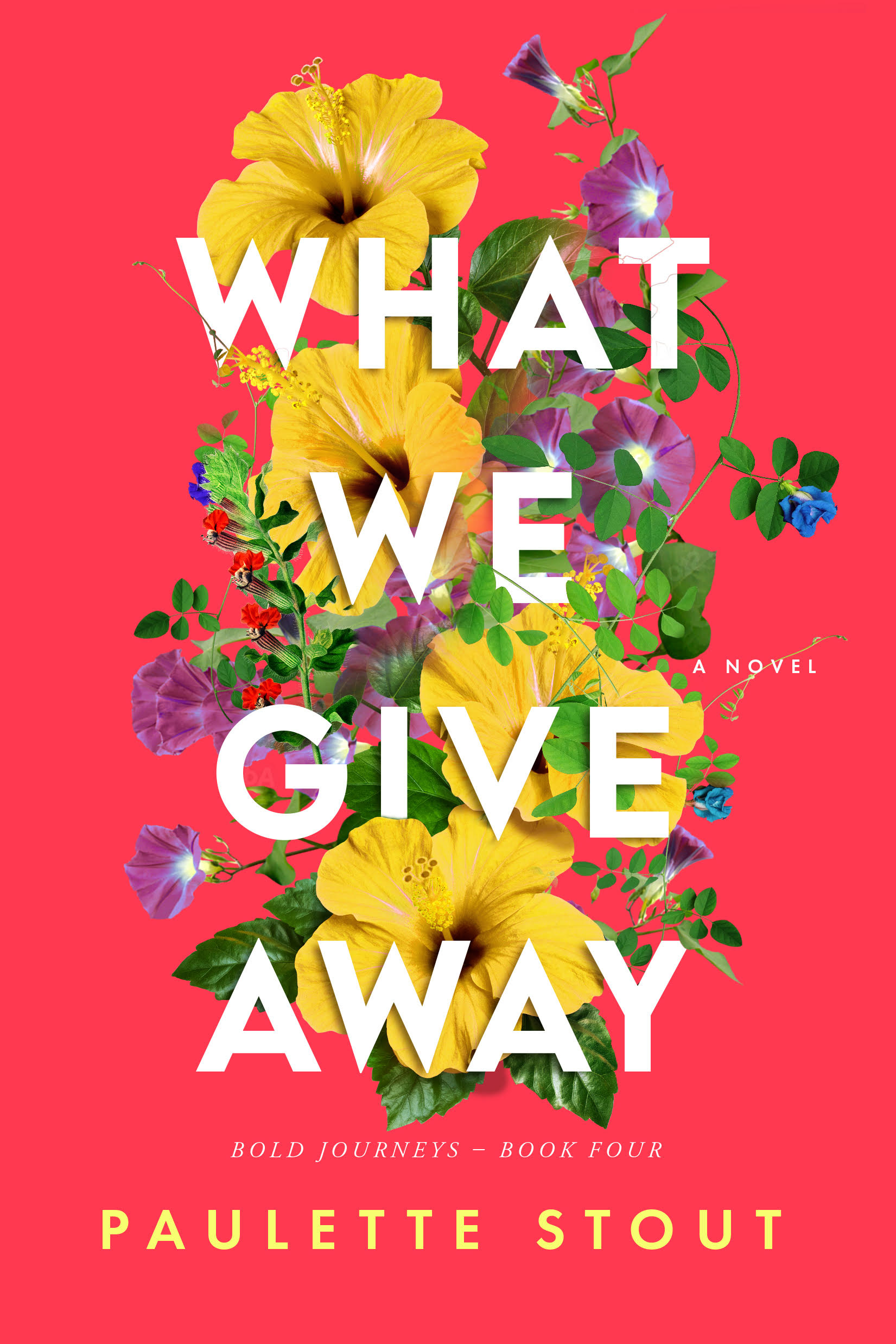
Alida Winternheimer: Great advice. I love that. Excellent. And everybody who is listening and may be thinking, oh, I don’t know, I’m not comfortable writing intimate scenes yet. Go grab some of Paulette’s books, go find some other books that you love and look for those scenes and pay attention to them, notice how they’re done. And we were just in the other episode talking about your fourth book, what we give away. And so I Can say, look at the way talking to the listeners here. Look at the way Paulette handles food and the kitchen scenes and the sensory detail and the joy and the relationship and the connections between the characters and the food there. And then look at the intimate scenes and see the way the characters relate to each other and the sensory details and the amount of description in the setting. And I think you’ll that you’re bringing the same craft to all of your scenes. We just sometimes get skittish around intimacy.
Paulette Stout: Right, Right. And I would. I would say go ahead and write one. When we are alone in our room, no one has to read it, you know, so write one and see how it goes and see how it feels to make sense. Because I know it always feels scary, like, oh, someone in your family is going to read it, your boss is going to read it or whatever. But, you know, when you write, it’s not you. And I think that you should do what makes sense for the characters and give it a chance. Just try writing one and see what happens. And you don’t ever have to use it. But I think it’s just like anything else. It’s a skill. The more you do it, the better you get at it.
Alida Winternheimer: All right, thank you, Paulette. Remind our listeners of where they can find you.
Paulette Stout: You, can find me my website, Pulletsstout.com do. I also do author coaching. So if you would like to reach out to me and talk a little bit more about writing intimate scenes, I’m happy to chat with you. You can schedule time. and you can also find me on social media @paulettestout author on most platforms.

About Your Hosts


Kathryn Arnold writes fantasy and anything else that sparks her creativity from her home in Kingston, Washington. She currently earns her living as an insurance underwriting assistant, where she also creates marketing and web copy. When not writing, she plays (and teaches) piano and keyboard in a band (or two), and is working on starting a ministry team with her husband. You can find Kathryn at www.skyfirewords.com.