
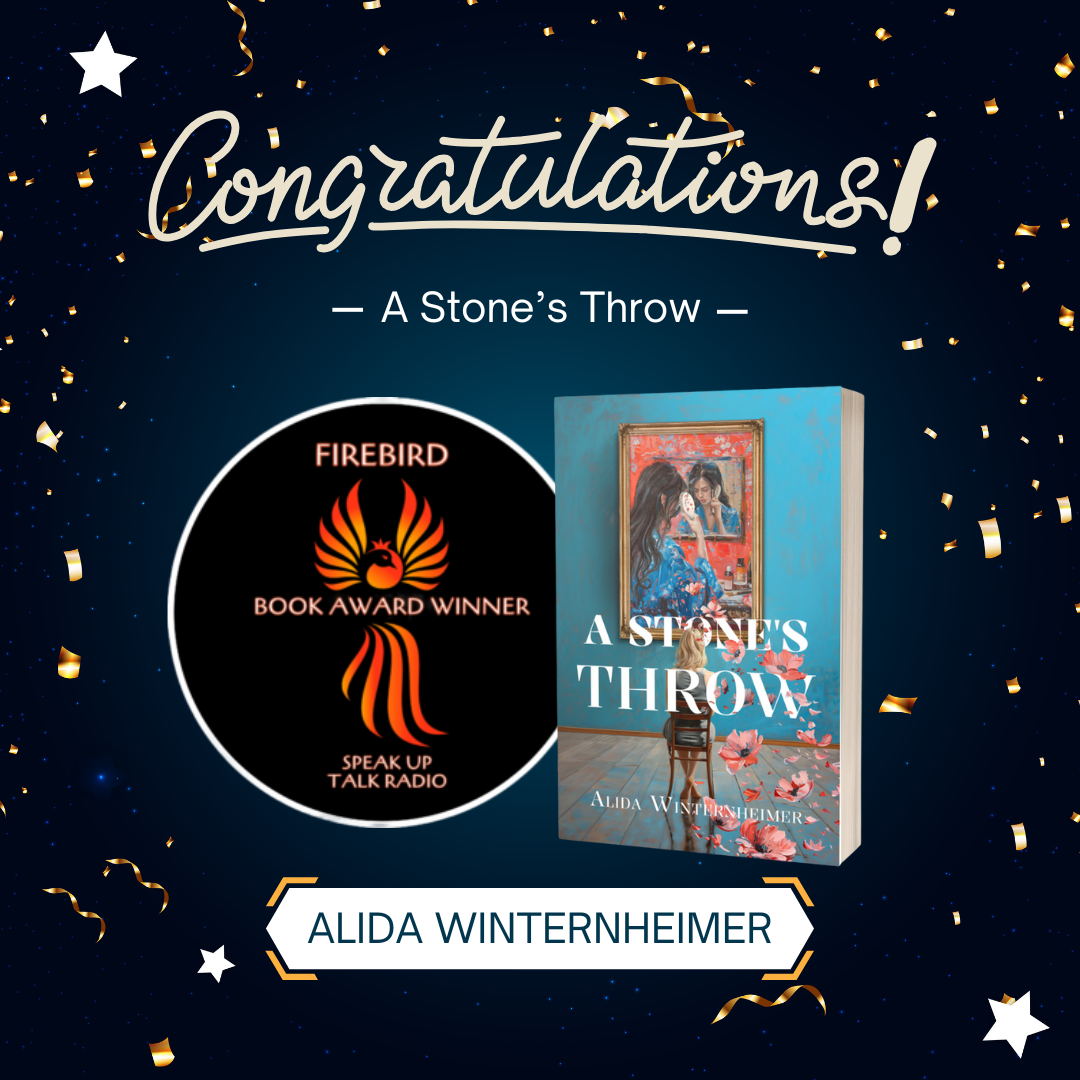
We’re pleased to announce that Alida’s novel, A Stone’s Throw, has won the Firebird Book Award!
Two women who never meet, a motherless child and childless mother, are brought together to discover the real magic of creation.
Simona and Gemma live an ocean apart, yet their lives become forever entwined when the women Simona is painting come to life, stepping out of their portraits. They arrive with a purpose: to nurture a broken heart…or two. Simona and Gemma learn about art-making, love, grief, and motherhood when they are magically welcomed into a lineage of women who share their lives’ joys and sorrows during the most creative time of these women’s lives.
In this episode of the Story Works Round Table, we gather a diverse panel of writers to tackle the complex question: what makes writing objectively good? Join Alida Winternheimer, Kathryn Arnold, Mark Liebenow, Daniel Kleifgen, Liz Bird, Miriam Levi, and Monic Ductan as they explore the subjective nature of writing, the challenges of judgment, and the essential components that contribute to strong storytelling. With insights from experienced fiction and nonfiction writers, this discussion is rich with practical advice and personal anecdotes. Don’t miss this enlightening conversation that dives into the heart of the writing craft!
“At the end of the day, it’s whether a story has grabbed me, touched my heart.” – Miriam Levi
AUDIO
TRANSCRIPT
This transcript is AI generated. If you notice any inconsistencies or errors, blame the bot.
Alida Winternheimer: Hello and welcome to this Week StoryWorks Roundtable. Today, Catherine and I are delighted to be joined by five writers. I, will let them introduce themselves so you can hear the voice and associated with the name and who they are. Right off the bat, we’re going to be addressing the question, what makes writing objectively good? I think this is a big question. It’s something I’ve wanted to tackle for a long time. And Catherine brought up the topic, suggested it recently, and I was like, okay, it’s due. It is time. And then I thought, you know, let’s have more voices, more variety of backgrounds and experience in this conversation. So, weve got fiction and nonfiction writers and readers and editors, and lots of great stuff here in this panel. So, like I said, Ill let our guests introduce themselves. Mark, why dont you go ahead and start us out?
Mark Liebenow: Sure. Thank you, for inviting us. I’m Mark Liebenow and I write non fiction and poetry. Four of my books have been published, the most recent one by the University of Nebraska Press on hiking Yosemite to deal with grief over my wife’s death.
Alida Winternheimer: Thank you. Daniel your turn.
Daniel Kleifgen: Daniel Kleifgan I’ve spent the past few years teaching and traveling in places like China and the UAE and Singapore. while I’m building my craft. In a few months I’ll be pursuing an MFA in fiction at University of Pittsburgh, which is just happens to be where I’m from. So I’ll be kind of going home after a long time abroad.
Alida Winternheimer: Excellent.
Alida Winternheimer: Liz, you’re up.
Liz Bird: I am, Lizabeth Bird. Liz. I’m a retired anthropology professor, who wrote for years as an academic. But about three years ago, after I retired, I switched to a more creative writing. mostly do create non fiction, occasional attempts at fiction, but not much.
Alida Winternheimer: Thank you, Miriam.
Miriam Levi: my name is Miriam Mandel Levy. I am a retired speech language pathologist turned writer and editor. I write mostly a short creative nonfiction and fiction and flash. And I’m an editor at the creative nonfiction journal under the Sun.
Alida Winternheimer: Monique? Hello.
Monic Ductan: my name is Monic Ductan. I write mostly fiction, but sometimes essays and poems. I have one book called Daughters of Muscadinene. it recently won the state’s humanities prize, the Tennessee Book Award.
Alida Winternheimer: Fantastic. So, to start us off, I wanted to talk a little bit about our experience as writers and the way that we are constantly being judged. Right. It’s part of the game. You write something, you put it out there, you ask your peers to critique it and give you feedback. You send it out to journals, you start rolling in rejection letters, you try querying agents and small presses and you’re hoping for that lucky break. And positive or negative, we are in a position of constantly being judged. And when I was wrapping up my MFA program, a friend and I decided to take all of our short stories we’d been writing through our mfa, send them out journals, lots and lots of journals, and then keep track. And so it’s a sample of two very small study here. But what we found was that, you only get 1 2% acceptances. So we both had roughly 100 submissions. Not 100 stories, but multiple stories and pieces that went out in total to around 100 places. And 1 2% acceptance rate. So that’s hard, right? And so much of it is subjective. And then you’re left in the dark with form rejections, wondering why not? Why wasn’t this piece good enough? Before we talk about what makes writing objectively good, let’s just share a little bit of, of the writer’s experience with judgment.
Mark Liebenow: This is Mark. It is tough starting out, to get used to the rejections. And I’ve been doing it for so long now that I anticipate that everything I send out will be rejected. Then when something gets accepted, I’m just ecstatic. And I think the 1 to 2% acceptance rate is accurate.
Alida Winternheimer: Yeah. And maybe with more time and experience you can raise that rate, but I’m pretty sure it stays in the single digits. Unless you’re, a known literary figure, somebody with a pretty strong track record, I would guess it stays low. what do you do with that subjective aspect, the writer’s experience? How do you handle it as a writer? What’s your attitude toward it? Monique, you teach, do you ever give students advice on that? I do.
Monic Ductan: in my upper division, creative writing class, we talk about literary journals and I show them places to look for journals like Poets and Writers and Duot Trope. But I also tell them that you have to research the journals that you’re submitting to. So if you’re submitting blindly, I think 1 to 2% sounds about accurate. But I think that if you do a bit of research, you see what each journal is publishing, then you have a much better shot at placing your work somewhere. So read a little bit of what the journal, offers for free online. If it’s an online journal and they have stories on there that you can read, read those and maybe think about whether your writing would fit in with that.
Miriam Levi: I would add to what Monique said That there are a lot of, interviews with editors of journals online. And when you read those, you actually hear from the editor, the editors themselves, what they’re looking for. That can be helpful as well.
Alida Winternheimer: Yeah. Miriam, so you are one of the editors at under the Sun Literary journal. When you are looking at pieces, are you consciously, aware of your subjective response to a piece versus your objective editorial stance on whether or not it’s good writing? And can you tease those apart or is a kind of a package deal?
Miriam Levi: That’s a really good question. I would say that I have sort of my list of boxes, objective boxes that I’m looking for a piece to tick. You know, does it have a compelling. Well, I should say that this is creative nonfiction. And so I think that the standards for creative nonfiction for being good are a little bit different than for fiction, although I think there’s quite a bit of overlap. So yeah, we are definitely looking for something emotionally resonant, for writing, strong writing. Not necessarily lyrical, but strong writing. M for stakes, you know, something that the reader will feel invested in. I don’t know if I can kind of parce out the subjective from the objective because I think at the end of the day, even after I go through those boxes and tick them, at the end of the day it’s whether a story has, you know, grabbed me, touched my heart.
Lizabeth Bird: I agree with that. I think one of the things we didn’t mention is we all read for under the Sun Ander. We know each other through that. And I think that has been to me the most interesting way to think about what makes good writing. Because coming from academia, or that is non literary academia as a social scientist was a very different kind of writing. It was a kind of, you kind of knew what was good and bad and you got, you got feedback. When you submitted to something, you were told, do this, this, this and this. Fix it and you know, we’ll look at it again. You don’t get that very much, from literary journals, which surprised me. That was one of the things that surprised me right at the beginning. I expected to be rejected. I didn’t expect to get the. Just not right for us constantly. And not knowing it was the not knowing that was frustrating. now I think I’ve become much more used to that and just add, ah, another rejection. but I agree with Miriam that there’s a sort of. To take apart what it is about a piece that you like is very difficult. and it’s like her, I find it has to speak to me in some way. If I feel alienated from the writer, if I don’t see any way to see the world through their eyes, I tend to feel this is not for me.
Alida Winternheimer: Yeahah. I think it can be helpful for writers to know a little bit about what happens at literary journals. Before I was published in under the sun, and became part of this group, I was on the literary journal at Hamlin at my MFA program, Waterstone Review. And so you’d have an editorial board and somebody would love a pie and they would have to fight for it sometimes because everybody in the room didn’t love it. There was a difference of opinion. And so when you get a quick rejection, that often means, okay, this is not a fit for that journal, or the quality wasn’t up to snuff. But when it takes time to get a rejection, then that often not always means that the piece is staying and reviewed longer because there’s more discussion about it because somebody or some people are trying to push that piece through or it’s being weighed up against another piece. Maybe it’s too similar to have both of them in the journal. So the board is really trying to figure out what’s going to be the best fit for that particular ed addition coming out and sucheah. other thoughts on this before we start digging into objectively good writing on the process, the writers, experience, selection, being a reader.
Annielle Ifgan: Yeah, well, for me, I just went through the, application process for MFAs, which I know a lot of people do. I know because the number of rejections you get is also quite high. And what I noticed is that, it’s. This is kind of the same with literary journals that I’ve, you know, there’s like, not really a lot of, like, you can’t really read much into what you’re. Who’s rejecting you and who’s accepting you. I mean, you know, like, you might not get into the top ones, but then, you know, a program that has a really good reputation, I, might accept you. And then a lot that are considered less prestigious on whatever. I mean, it’s kind of hard to say. It’s not really a good way of evaluating that for journals or programs, but they might reject you. And it’s just kind of, you know, makes me feel like there’s not really a science here. But I do think when. I mean, I don’t know. I know they always say it’s about, like you’re not a fit for our program or a fit for our journal. But I think that is kind of a big part of it. There’s just kind of a feel that people are trying to get and you’re not going to be able to make everyone feel that as a writer you’re going to get. Some people feel it. That’s for most writers enough. Even the greats. I mean there’s a lot of great writers I don’t love to read, but I know they’re good, so.
Alida Winternheimer: Yeah.
Miriam Levi: Yeah, I sometimes I agree with Daniel and I know with literary journals I’ve had pieces that I’ve, you know, aimed high for and sent to some top literary journals and made it maybe not been accepted but made it to the finals that or had some positive feedback and then thought that that piece would just be a shoe and you know, at an intermediate journal or so called, you know, lesser journal in the ranking and then been like rejected by 30 of them. So yeah, I do think that it’s a pretty subjective business and that and knowing that or believing that makes the rejection less hard to take, I would say.
Alida Winternheimer: Yeah, it’s definitely a subjective game. Yeah. All right, Catherine, I’mnna bring you in because you post the topic and then that like started this whole ball rolling. So just get the conversation turned into objectively good writing. What would you like to bring up or, or pose?
Kathryn Arnold: Well, I just, you guys keep saying, you know, it’s not a fit or you know, it’s hard to parse the subjective from the objective. U. I want to turn into like so you guys read for journals, you edit journals, you’ve had the literary journal experience. So that’s very, very cool because it gives us this kind of line where you’ve had to say this story is s. Well written but subjectively doesn’t fit. Right. So we need to be able to figure out how to somebody say objectively I need to grow in this way as a writer or in that way as a writer or in objectively my writing is not strong enough yet to submit to a journal or where I could start seeing some acceptances. Right. Versus my story. Writing and craft is strong. I’m just not fitting where these people are are accepting them. So I want to start with Miriam used the word emotional resonance, or phrase emotional resonance. And I think that is. So that’s got that both and thing to it. Right. Because a strong writer will be able to tug in emotional heartstrings, will be able to pull a reader along but not every reader is going to have the same experiences or the same emotional pathways that will allow them to access maybe the full emotional resonance of any given piece. So can we start with, like, talking about the craft of whether or not you can look at something where it’s supposed to be emotional and you can say, this just didn’t work for me, but it works, or is there like, no way to completely separate that out?
Alida Winternheimer: I. I have a thought.
Annielle Ifgan: M.
Kathryn Arnold: Well, youre a developmental editor, Alita. Youre allowed to have a thought on.
Alida Winternheimer: Oh, good, good. Thank you. No, well, yeah, but I think this thought actually comes from experience on the other side of the table. And especially when I was a less experienced writer, you know, sometimes I would send something out thinking it was really good, and then I get the rejection and be hurt. Right. But, then a few months down the road, I would look at it and go, oh, it’s not as good as I thought it was. Right. So that advice we all get all the time to rest your manuscripts is really good advice. And I think the more writing you have under your belt, the more adept you are at, ah, seeing the strength of your prose. But it takes time to develop that. And if you get 10 rejections, let’s say you want to submit a piece to 100 journals. Don’t do 100 journals at once, do 5, do 10 at the most. If they’re all rejections rested, look at it, do the next batch, maybe send it out to a critique group or get some kind of feedback. Because I think we have our own subjective bias and we have an emotional attachment to the stories we’re writing, whether they’re fiction or nonfiction. So that can make us eager for other people to see the brilliance in the story and maybe not quite see that it needs more work to get that brilliance to shine.
Alida Winternheimer: Yeah.
Mark Liebenow: I tend to have about seven essays in production and so I’ll send one out and that I’ll work on the next one and then send that out and you know, down the line. And by the time the first one comes back, I can see it. It’s a couple m months later, I can see it with fresh eyes and I see things I did not see before. so you’re right in that, Alita.
Miriam Levi: I wantn to just relate to, Catherine’s question about something being emotionally resonant for me versus emotionally resant. Resonident in general. Does it work? Does it work for me? Does it work in general? I do think that there are some ways you can say that Something works in general and not just for me, just doesn’t just happen to be on a topic that I relate to or you know, resonate with an experience I’ve had. But even if it doesn’t, if it’s written with a degree of restraint, I think that’s so important. But not too much restraint, the right amount of restraint. Because if there’s too much restraint, then the narrator, I guess I’m speaking about creative nonfiction now isn’t accessible enough. So the narrator needs to be sort of at once vulnerable and exposed on the page, but also exercise a certain amount of restraint, I think to leave room for the reader to enter the story. and I think that there has to be, I said before, stakes. There has to be something at stake. The piece has to follow you, a narrative arc. the reader. I have to feel this narrator’s struggle and see some kind of movement from the beginning of the piece to the end. and then the language has to be super polished and not, not sloppy. And there can be a range of styles. You. Some people use very simple language, some people are very poetic and lyrical. It doesn’t really matter, but it has to be polished.
Lizabeth Bird: I agree very much about the idea of a narrative arc. I think that was something that came. That as we share our opinions as we’re reading under the sun that comes up again and again, that there has to be not a story exactly of beginning, middle, end. And again we’re talking about, non fiction here, but a sense of that this piece took us on a journey and reached a satisfying ending. and I think that was where a lot of submissions seemed to be lacking. They would express an emotion, they would describe a moment, but they didn’t connect with the read. It was like I am telling you what happened to me. And it needs to be more of. I’m telling you what happened to me and what it might mean to you or to others. and I think, that seems to be very apart from obviously the technical quality of the writing and so on. But the arc is I think very important. you’re not always. I find, I find it less easy to connect, say to the writing of very young people. I mean, I can see sometimes it’s really good, but it doesn’t. The sort of. The concerns of a 21 year old are generally not the concerns that I have. and so I would tend to avoid journals that are run by 21 year olds. not because I don’t respect them or Their experiences, but because it’s just harder for me to think that my writing would connect with them or that theirs might connect with me. It might be objectively, very good course young people.
Miriam Levi: Right.
Lizabeth Bird: Wonderful, wonderful things. so I think there is that we can separate that, ah, sense of if something is really well written, does it speak to me some more than others.
Miriam Levi: Right. But if it reaches for a more universal something, a more universal truth, then it can transcend age difference. And that’s another really important thing. So if you’re writing, if we get a submission, for example, from someone, some sad person mourning the fact that their cocker spaniel was just diagnosed with chronic kidney disease or something like that, and they’re really devastated, that’s just not going to speak to me. Unless it goes beyond that to something about loss, grief or attachment or something like that.
Alida Winternheimer: Yeah, Yeah.
Annielle Ifgan: I was gonna say, just going off of what Alita, you said earlier, I feel. Well, I had a professor who said, like, what makes a great writer is being able to read your, writing as a reader, like, as if you didn’t write it. Which I think we all know how hard that is. but that, to me is kind of like what we’re talking about here. You’re reading your stuff from. Trying to take a more objective perspective. Though you’re not saying, like, what would the average reader, you know, think? Because that’s kind of not a real person. But it’s something like, what would a reader like me who didn’t write this think? Someone who has similar tastes to me, but isn’t just me.
Alida Winternheimer: Right.
Annielle Ifgan: Like, there has to be a broad enough category that I’m connecting with people. This is, like, not just a completely solipistic activity. So I think that, you know, thinking of. Because there’s one thing I’ve sometimes thought about with objectivity in writing, or what counts as good, is it’s not really what’s popular either. like, popular fiction can be really bad. but it’s more like there’s something that’s being delivered that you, as a reader, if you’re really attuning to the piece and you’re trying to connect with it, you’re gonna hopefully get even if you’re not necessarily. That’s not to your taste or it’s not your, you know, like, James Joyce. I don’t really like James Joyce that much, but I can still connect in with what he’s trying to do and feel like, wow, these are really complex, troubled characters. And this language is so fresh and Beautiful. so I mean it. I’m not sure how you do that with your own writing. if you could approach it, like, even if you didn’t like it, what would you be able to get out of it? I, mean that’d be an interesting activity to try because a lot of your readers, I mean, hopefully you’re not writing for people who are just not going to like it, but people who may not be willing to give it a chance right off the bat. And you’re trying to figure out how to connect in with them.
Alida Winternheimer: Yeah. I mean, I think what we’re saying is that it comes down to communicating something of the human experience. So the way you get past that subjective piece of the process is communicating something meaningful that anybody can recognize as having some value. So even if it doesn’t have value to me as a reader, I can recognize that it does have value. M for people generally. Like Miriam was saying about the cocker spaniel. Right. It might not have meaning to me at this time in my life, but if it goes on to communicate about grief and loss, then maybe I could take or leave the cocker spaniel. But I can still connect to the piece, to the themeatic content of it, as opposed to the know, plot, the event, the what of it, which is a cocker spaniel getting sick. Yeah. I think the list Miriam gave us is fantastic and applized fiction and nonfiction. Although there might be some variation in execution here, but restraint stakes, narrative arc, struggle and movement, super polished language and style of prose. and just for I don’t know that this really came out in our introduction. So we’got. I think everyone here writes creative nonfiction. And then Daniel, Monique, Catherine and I. Wright. Fiction. I don’t know. Mark, Miriam and Liz. Do you consider yourselves fiction writers as well?
Mark Liebenow: Not at all.
Miriam Levi: Less so, but moving in that direction.
Alida Winternheimer: Yeah. So let’s pick something here to dig into. Who’s excited about one of these sort of crafty aspects of objectively good writing?
Miriam Levi: Can I add one to the. Go ahead, Monique.
Monic Ductan: I was gonna say, and I don’t know if anybody’s mentioned this yet, I was go goingna say sensory impressions. Yeah, Maybe that goes in with what Miriam was saying about style. But even if I’m not that invested in the story, if the writer is really good at, using the senses, describing how things look and smell and sound, that is the sort of thing that draws me into the story. so I’m willing to kind of take the, I guess, jump on the train with them, if I feel like they’re able to do those things, that’s very important for me. The other thing I don’t know if anybody mentioned was I had a professor in college who always said that everything had to be earned.
Miriam Levi: Right.
Monic Ductan: So if you’re trying to build to a happy ending at the end, then, we need to see that throughout the rest of the narrative. So the place where we end up shouldn’t come, I don’t think, as a surprise to the reader. It should be building throughout the whole story or the essay.
Alida Winternheimer: M Definitely. Yeah. I think that’s what we’re talking about when we say the ending should be surprising, but inevitable. So that when you get to the end, it’s not that there’s no surprise and you saw it coming a million miles away, but when you get there, to whatever degree you anticipated it or not, look back on the piece, on the experience of reading it, and you feel like there’s nowhere else we could have ended. This has been building to this moment the entire time.
Kathryn Arnold: Yeah.
Miriam Levi: I just want to jump off from what Monique said about sensory details, and just maybe I’m saying the same thing in a different way, but it’s, immersing the reader. This is especially true for fiction, completely immersing and transporting the reader in place and time. And I think that’s built from the sensory details that Monika’s mentioning. And I just want to give an example from a book that I finished reading recently called the End of Drum Time. I’m not even going to attempt to say the author’s name. I can’t pronounce it. I have no idea how you pronounce it, but I’m bringing it as an example because it’s a story that’s set in the 1850s in, like, Lapland, north of the Arctic Circle, and it’s about these indigenous rain herders. Like, it could not be a world more differently than my world. And yet I was utterly immersed in that world. For the entire time that I was reading the book, I forgot where I lived. And it was grew out of these sensory details that Monique was talking about. There was the snow. M on, the eyelashes, you know, of the reindeer. There were the herders that were riding in sleds behind the reindeer. And the fur of the reindeer was shedding, and it was coming, blowing back into their mouths, like, details like that that all coalesce together to sort of transport you to this place and time in the most magical way. So that’s definitely it. What comes under the list of objective boxes for fiction. For me, yes.
Mark Liebenow: I would add to that besides, describing the settings so that you can feel where the narrators is writing from, also to treat, each person in your story as a character and to develop them so that you know why they’re there and what they’re about. So that when you have the different people interacting with each other, you have some emotional bonds going on.
Annielle Ifgan: Yeah, that’s. For me, the most important thing is, are the characters, do they feel real? and can I connect to them? And me being able to connect to them doesn’t mean that they’re similar to me at all necessarily. It’s just something that the. I mean, to me that’s like the magic of fiction or nonfiction. It’s just the fact that you feel like you know this person, sometimes better than you know, really anyone else in your own life. because you’re just getting that, like precision that an author can offer.
Miriam Levi: Yeah. Really knowing them from the inside out and seeing the world through their eyes. And then that changes the way you see the world once you’ve seen it through their eyes.
Alida Winternheimer: It does, Yeah.
Annielle Ifgan: I would say this list sounds like. I don’t think every work has to do all of these, but it has to have some of them probably. And they might sometimes work against each other. some people style few. some authors really don’t go hard on the sensory detail, but it still works because they create some new fresh form that just does it. And other authors are less heavy on a narrative arc. Like Virginia Woolf. It feels like nothing happens in the her books, but I love them anyway because of the language and the sensory detail and the characters.
Miriam Levi: Yeah, go aheadian. Notice nobody has said compelling plot exactly in those words. You know, which is really probably an objective criteria these days for a popular bestseller. Right. None of us have said a page turner. Something where there’s action on every page or.
Alida Winternheimer: Right. Well, I think that gets so genre specific and it really just depends on the story you’re trying to tell. Catherine, you were starting I speak.
Kathryn Arnold: Yeah. Because I think that. Miriam, when you said that, I think it was you that said that we needed an arc. It might have been U. Liz. The narrative arc, you know, being able to follow the journey. I think that encompasses the plot for. For most books because that journey could be really action packed and it could have really intense stakes or it could be very quiet. But as long as we have that journey and that movement, I feel like that’s where that objective standard is right versus the subjective standard of I really just want to have, you know, cars exploding or I really just want to have an intimate family story. Right?
Alida Winternheimer: Yeah. I just picked up the God of the woods, as an audiobook. And I never listen to audiobooks because I like to read. I like to have the immersive experience of engaging with words on the page. When I listen, I’m doing other things. Know, I’m driving or washing dishes. So, I just started listening to it and it surprised me because it’s actually drawn me into it. But’ the author is playing with chronology in a really interesting way. So the chapters are different years and like a new character is introduced and then will be in that characters point of view as theyre re adding to the story. So thinking about narrative arc and plot progression, it’interesting me as I listen to it, to see what shes doing. And Im asking myself, why is this still engaging me? Right. Because it’s like something happens and we take it this far, but then we jump back in time and we’with something else happening and we take that that far and then we go forward in time and then we go backward in time and more with this character and more with that character. And I think the reason it’s engaging and I’m not minding the sort of strange halting progression of plot is because of these other qualities of the writing, because of the narrative, because of the way the points of you are handled, because of the style, because of the descriptions. And just this morning I was asking myself, Am I going to get sick of this? Or is she doing it well enough that I’ll keep enjoying it for the entire novel.
Alida Winternheimer: You know, which is maybe why writers have so much freedom within their story to play with time, to play with plot, to play with these different elements. Because we have so many tools to work with. Right. In so many different ways to create good writing.
Mark Liebenow: Yeah. And dovetailing on that. One of the things I think that makes good writing is the pacing of what we’re writing. There can be a straightforward narrative where A, B, C, D and you go to the end of the story. What I look for in creative nonfiction is, pauses where there’s reflection on what has happened. And it gives the reader time to breathe and to reflect and to enter the, the events themselves. I also like to see some information about the world that I am being asked to, inbit inhabit for a period of time. And so I kind of like, well, with a single essay of the narrative arc, I think fis but when you’re putting a group of essays together on the same theme, I like more of a meandering to go on so that it has more of a feeling of waves. You know, the waves come in and they go back out and then back in. And so you kind of carried along with all of that. I also do a lot with poetry. So when the language of what’s being written, that can carry me along for a long time.
Alida Winternheimer: So what makes the prose objectivelyly good? Speaking of language and style and voice. Right. And whether or not that resonates with us from peace to peacece is going to be subjective. So is there anything we can identify that makes those qualities come forward that would make someone say well it’s not for me, but I see how good it is everyone is thinking.
Lizabeth Bird: I like to see words put together in ways that surprise me, that suddenly make me go oh. Or conjure a sort of picture that the words themselves may be just the same way, familiar words, but that the combination works. and not as necessarily a precise way. I’m thinking again of the comparison between academic writing where you’re always looking for precise words that convey one meaning and no other. That’s the goal. but with say created non fiction you’re not. You’re trying to put words together in a way that creates maybe an emotional response, but maybe not so much emotion is just sort of said surprise or recognition of something seen in a different way, that may be seen differently by a different reader. a lot of creat non fiction there’s a certain ambiguity which I enjoy. This may come across this way or maybe’s another way and I don’t know quite whether the writer intended that. But it’s more open, open ended than sort of say academic or, or straight factual writing. M not sure I’m m expressing that.
Alida Winternheimer: Well you are. No, I like that. Is that what we mean when we say fresh writing? The word fresh gets used a lot?
Annielle Ifgan: I think so, yeah. Like.
Alida Winternheimer: Yeah.
Annielle Ifgan: I was thinking that when you read a sentence or a paragraph or you know, a page that is describing something where you just have to mark it and you just have to like, you know, dog ear that page because you want to come back to it and read it to someone. It’s usually because it’s not saying something like, I mean sometimes it can be something that’s totally different than when you’d ever read before, but it’s usually just a new way of saying it so that you can feel it again. because I mean, if you look at the other end of the spectrum of what we’re talking about, like what’s bad writing? It’s usually cliches. And cliches actually might be really good when the first person who comes up with it might actually be a great, like, might resonate with that person who he said it to because it’s like, wow, that’s a cool way of saying it. But then over time, we use it in so many different contexts that it no longer. We don’t feel it anymore. It doesn’t tell us anything about anything particular. It’s just so generic and so, an author who can do that again. And I mean, actually a lot of really great lines from novels and Shakespeare and stuff are just cliches now. But you know, we admire them for their freshness when they, you know, were first written. So we kind of have to retroactively try to forget that we’ve heard it a million times.
Alida Winternheimer: Right. If you’re on a bumper sticker, it’s over.
Miriam Levi: Yeah, I definitely agree with Liz and Daniel and you know, freshness and originality of language. The other thing that comes through to me, I gu in the language is the voice, the voice of the characters, of the voice, the narrator. In creative non fiction, if it’s a consistent and I guess, authentic, vulnerable voice, I find that really powerful, to read. I have the feeling when I’m reading out of like, wait a minute, don’t I know you from somewhere? You know, I think I do. And that feeling, of recognition.
Alida Winternheimer: So when we are writing our own works and we’re striving for that fresh voice that is authentic and vulnerable, whether it’s fiction or nonfiction, what challenges do we come up against? Or do we just fall into that voice and the prose flows? How do we overcome those challenges? Ktherine Fil. The silence for us.
Kathryn Arnold: Oh, I feel like this is probably pretty subjective for every person. How they get into the voice of their character, their narrator, or, you know, the voice of the story. I’m thinking about, I just read a series that has a lot of point of view characters. Yay, fantasy.
Kathryn Arnold: And every single voice was different. Every character was different, every. So literally changing the chapters changed the feel of everything. Right. And it was all down to the language that they chose, the way that the character spoke, the way that they observed the world to an extent where you could, you could identify that. So I feel like having specifically in fiction where you’re writing from like a character’s point of view, I would say you have to have that character developed to a point where you understand the language that surrounds them. If you’re talking about like a creative nonfiction, you probably just have to have that narrator’s voice developed to a point where you know what perspective you’re trying to tell this from and what kind of language you want to surround that. And then like super objectively, you need to write in a way that people can read. It needs to be readable, it needs to be clear. It needs to. You can’t reach so far that people don’t understand, what the words are that you’re trying to put together.
Alida Winternheimer: Yeah, but. Yeah, that’s great. Catherine. I was just thinking about this the other day because I’m. I was doing an editorial pass on one of my novels and it’s got like 34 point of view characters, a main one and some minor ones. And I was noticing myself feeling a little bored with my primary narrative voice. And then I’d get into these minor characters points of view, and I’d be like, oh, that’s really interesting. And I was going, why is this? I’m not going to rewrite the whole novel. I’m not going to change my narrative. What’s going on? And I realized with this particular book, which is contemporary, and I made the protagonist, I used some of my own things as a springboard for this protagonist, just for fun. And I was like, oh, that narrative voice sounds to me like the voice in my head. It sounds to me like me. And that’s not interesting to me. But when I went into these minor point of view characters, I’m like, oh, I’m playing. Look at how the language changes, look at how the perspective changes. And I think for fiction writers, a lot of that is embodying that perspective. You’re talking about Catherine, of the character. So even though the narrator is not the character in third person, if you’re in close third, you still have that shift of voice?
Alida Winternheimer: Yeah. What about. Okay, in nonfiction, do you find that you have a different voice or a different version of your personal voice for the pieces you’re writing as you’re dealing with different subjects or different parts of your life?
Miriam Levi: I think for sure. I feel like if somebody who just read through all my creative nonfiction, they would think it was written by different people or’s someone with multiple personalities. Like the voice comes through so differently in each one. I think going back to this being, you know, authentic and vulnerable and creative nonfiction, I Think that is the greatest challenge of writing creative nonfiction. Because we all. I mean I want to protect myself and certainly protect the privacy and you know, confidentiality, the people in my life. And it’s really hard to. Very hard to get naked on the page. M.
Mark Liebenow: Well, yeah, it’s a challenge to get naked on the page. I mean if we can do that, that is, that’s the first goal I think, is to reach that point where you’re vulnerable and it’s all there. Then you have to rewrite it so that other people can understand it and they can pull something out of that.
Miriam Levi: Right. But it’s not like just totally self absorbed, self pitying, kind of stuff.
Mark Liebenow: Yeah, I think that’s where reflection comes in with creative nonfiction is you can take the experience and then you think about it and you realize what is actually happening. It goes deeper and broader, and fights people in then.
Lizabeth Bird: It depends on again, you write differently depending on what the emotion is that you feel when you’re writing the piece. are you writing it, this thing because you feel sad, feel a sense of loss? Are you writing it because something happened to you, actually think it is kind of funny and you want to take a lighter voice. I don’t think you necessarily change who you are, but I think you take different facets of your personality in a particular moment depending on, not so much what you want to make readers feel, but what you feel in writing it. And you can have a totally different mood depending on the subject and the moment.
Miriam Levi: Also from the time of life that you’re reflecting on, if you might have a child’s voice or a teenage voice.
Lizabeth Bird: Yeah, absolutely.
Miriam Levi: Young adult voice. Very different.
Alida Winternheimer: Yeah. Monique, I’m wondering if vulnerability and authenticity apply to fictional narrators in the same way as they do with nonfiction or if there’s comparable in our fictional narratives. Do you find that there is?
Monic Ductan: I think so. For me, yes. I don’t know.
Lizabeth Bird: I’m kind of.
Monic Ductan: Sometimes I struggle to say what the difference is with writing a personal essay versus writing a short story. I mean, if it’s a really narrative personal essay. I think you use the same sort of, techniques and things that you would use in fiction writing. Can anybody maybe speak to that?
Lizabeth Bird: Yeah.
Mark Liebenow: That’s why I was taught in grad school about creative nonfiction is that you take all the skills of the different writing disciplines and bring it in with fiction. You know, develop the character, do the, develop the setting, in the drama of theater, lyricism of poetry. Bring it all in together, bring in journalism for facts and to say what is going on outside of your head.
Monic Ductan: Yeah, yeah, I totally agree with that. I think also though with creative nonfiction, especially with the personal essay, there’s always more vulnerability because it’s yourself. Right. Somebody comes in and says, well, I just really don’t like this narrator. It’s almost like a like belly or something.
Mark Liebenow: Yeah, you have to tell the truth in creative nonfiction, but in fiction, I think you can decide where who’s going to have the truth or parts of the truth at different times.
Alida Winternheimer: Yeah, we’re professional liarsictions. Yeah. I think, you know, we do draw on all the tools of all the genres, whether were aware of it or not. And for me I feel like the vulnerability and authenticity that the writers apply to themselves in creative nonfiction, we fiction writers apply to our point of view character. So that comes through in the narrative through the point of view, character’s perspective as well as any interiority, any of the actual, you know, protagonist experience. I don’t know. Do you other fiction writers agree with that? Yeah, they can’t hear your nod, Katherine. No.
Kathryn Arnold: Yes.
Annielle Ifgan: Yeah, I think like for me, if I’m writing a piece of non fiction creat for non fiction, I feel not just constrained by my real life, but also by my, you know, I don’t know, like I don’t want to present myself in a poor light, I guess. I mean, to some extent you. I don’t know, like I don’t want to be like, like totally unlikable narrator if I’m writing a something that’s about me. So I might be a little bit less. I mean, hopefully that’s just not who I am. But I’m, you know, like with a character that I’m just kind of channeling certain, I don’t know, I feel like can become someone else and something true comes through in that. I think there’s the Oscar Wilde quote is give a man a mask and it’ll show you his true self or something. so to some extent fiction. For me, the reason I like it more is because, I’m not in it. So I can kind of explore different aspects of my humanity that may not be constrained to my personality or my identity, but are still there just in virtue of being human and being a part of this world.
Lizabeth Bird: I don’t really write fiction or tried, but I think in fiction you have that freedom to sort of the what if. You can start with yourself, but what if this. What if that. With creative nonfiction, you really. You can’t. I mean, you can kind of. You have the freedom to sort of reconstruct, I think, and. But you don’t have to really. You can’t pre. Preten it. It s nonfiction when you’re saying, well, no, actually, this isn’t. What happened was something else. So I think I can imagine that fiction writing must feel much freer. I wish I could do it.
Kathryn Arnold: I think it’s that spotlight, right? Like, you’re shining that spotlight, that vulnerability aspect is you’re really trying to illuminate those kind of nooks and crannies that maybe you would rather just stay covered for yourself. But even in creative nonfiction, I feel it’s the same. Like, we probably get the best emotional response when we’re willing to shine that spotlight in places that maybe other people would say, ooh, like, let’s not. I don’t really want to. And I think the same goes for Fict. It’s like a really good character that really makes you invest in their journey is one where you see those skeletons in the closet for a cliche. you see things that they would rather stay covered. And you explore them, you push them in the open. You make them encounter them. And I. I think every time I’ve read a creative nonfiction piece that’s really pushed me to a, you know, question, it’s the same thing. It’s. You’re pushing something out into the open that maybe, you know, your protective self would rather not do for yourself. And that’s what really good writing is too. Objectively, it makes you think, it makes you push. It makes you explore things about yourself and your own life.
Mark Liebenow: I’ve been struggling with this. I’m ready about having cancer right now. And it’s difficult to know how far to push on, the revelations of what the treatments’doing to my body and all that. but so I tend to err on more the aspects of what is actually happening. And as Monique keeps reminding me, I have to bring myself into the story. So I have to reveal things. I have to share things. It’s a challenge.
Alida Winternheimer: It is. So I wonder if we could talk about stakes for a few minutes here. stakes were one of the first things to make the list, and it applies to both fiction and creative nonfiction. And I think a lot of younger, less experienced writers in the fiction camp think of stakes as something bad happened, something worse happens. Something a lot worse happened. Something really. Right. And that’s not really what we mean. There’s a Lot more nuance to dig into. And I think talking about stakes for creative nonfiction will illuminate a lot of the subtleties that we want to get out in Stakes for Fiction. So who wants to share a thought about stakes and why they make something objectively good?
Annielle Ifgan: Well, I guess stakes are the your connection to the character’s needs or desires. So it’s just the way that we operate in our world as we’re always trying to figure out how to satisfy our desires and you know, improve our lives or whatever. And that’s what our characters, that’s how we connect in with characters. And I think what you said about just that continuous escalation. We stop caring when we feel like it’s too much like we can’t like connect anymore because it’s just one bad thing after the next. So there has to be a balance of giving your reader hope and making them believe that, you know, either outcome is possible so that you don’t really know. Otherwise it. If it’s obvious that this is just a train wreck, you’re just like, okay, I get it, or if nothing bad’happening so yeah, I think it’s both the surprise that you’re hoping for and also just the sense that you know, there’s whatever the character’s needs are’that’s. The stake. Stakes that you’re connecting in with.
Alida Winternheimer: Yeah, yeah. Uncertainty of outcome.
Miriam Levi: And they can be very quiet.
Alida Winternheimer: Also.
Miriam Levi: They don’t have to be you the person be able to jump to the other side of the cliff or you know. And I mean what comes to mind is for me like the gold standard of fiction is Marilyn Robinson’s book Gilead. And when I think about the stakes in that book, it’s you know, it’s about a ah, Reverend who’s dying. He’s old and dying and he’s writing a letter to his young son who will not. He will not get to know. He won’t be around, you know, for his young son’s life and to educate him, and what’s at stake is his being forgotten and his son, growing up without his wisdom and guidance and ah. Yeah. And that is huge. I mean for me it kept me riveted even though it was something very quiet, non action oriented.
Kathryn Arnold: I think reframing stakes.
Kathryn Arnold: Is important to take it away from badd. Events happening and to remember that this is about the character. It’s what’s at stake for them. It’s very personal. It doesn’t always have to be world ending. I mean they can be involved in world ending stakes, but it’s very personal. And for me, the biggest thing that’s helped me with this is being a parent and laying it out for my kids. What’s at stake? Your a dessert. Right. It’s important for a seven year old that she wants that dessert. And what is the journey that you have to go on in order to accomplish this dessert? Right. But it, you can laugh about it because it’s silly and it’s simple. But each of us has those things that are at stake that we will either accomplish or fail to accomplish based on little choices that we’re making. And I think breaking it down to that level where you can ask those questions really helps to reframe it as a writer and say, okay, looking at my character or looking at the narrative that I’m developing, what really is at stake here? Or what do I want to be at stake? What do I want people to feel here?
Alida Winternheimer: Yes. Mark, do you mind if I call on you? You mentioned a little bit ago that you’re writing about cancer right now. And I know these pieces are essays, not an entire memoir. So your readers aren’t going to get the entire journey from diagnosis to cure and happily ever after or something. So you’re picking just a piece of the story. How do you decide what is at stake and how to make it matter to your readers? And if you don’t want to answer, I can edit that out.
Mark Liebenow: No, I’m just trying to think, Roy, quickly, about everything that I tried to put into each of those essays. And it’s a lot of, as you’re going through each treatment and each treatment is different, you are experiencing different emotions and different struggles and different challenges, both physically and mentally. Because if the procedure does not work, then the results, you know, everything else changes down the line. what I’m trying to keep in each of the essays, and they will probably be linked eventually is, is the sense of hope. even, ah, all the struggles going on. And I think that’s what I want even people who haven’t experienced cancer to feel is that they’re invited into what it feels like to go through the treatments, to face, possibly dying in a couple of years, but also to, and even if that is the case, to have some kind of hope or energy that carries you through, whatever is going to happen, in sense not to give up. I think the sense of hope is what’s going to link all of them. And at this point I don’t know whats going to happen. I. I have hope.
Alida Winternheimer: Thank you. Thank you for that answer. And I think that connects us back to something we were saying earlier about, the subjective objective quotient and writing something that matters to the human experience. So if you’ve got this piece and will this treatment work or not? But really what matters is hope. Will hope survive this experience? Can hope be maintained? Or can it sustain us through this experience? Then youre getting at that human quality or that human aspect of the journey thats universal. It matters to everybody, whatever their relationship to the particulars of that storyeah. So to wrap up, I would like to do a speed round. So thinking caps on here. I would like everybody to just share one thought. It doesn’t have to be in the form of advice, but one thought about objectively good writing that you would like to leave with our listeners. And I don’t have min prepared, so I’m on the hook too.
Mark Liebenow: I’m goingna just jump right in as everyone’s thinking about it. the use of music in writing. Just naming a piece of music can convey a whole lot of emotional, importance as, as well as colors. if the more specific you are about colors, I think makes a big difference whether it’s ah, Kelly green or forest green. You can have a piece that is, with overcast weather as one of the characters in the story. And so you have a feeling of a gray tone just carrying all the way through. So colors and music.
Alida Winternheimer: M thank you. And that’s something that hadn’t come up previously.
Miriam Levi: The thing that rings out for me from everything we’ve talked about is sort of like most, I guess, important or upper. I should say maybe just upper. Most in my mind is truth. In creative nonfiction, telling the truth. And in fiction too. but truth, but in all its depth and complexity.
Monic Ductan: I can go back to what we said a little bit earlier about relatability. I like being able to think about the stakes in the story or the essay and imagining myself in the character or the narrator’position and thinking about which choices I would make and what the potential outcomes would be. But still, I can also appreciate when the author takes me to a place that maybe I didn’t consider, like some sort of turn.
Lizabeth Bird: I’jump maybe on that. Inviting the reader in through, identification with. Could be a moment, it could be an emotion. It could also be a place, a description of a place in such detail that it conveys, who you are or, could be the surroundings it could be the country, it could be nature. That says, here I am in this moment, in this valley, and you can be here, be here toite, inviting people in through description.
Annielle Ifgan: You guys all got a lot of good ones. So I’m going to say something a little different. Just about like, my experience as a reader is just as I’ve become more mature as a reader and been more well read, I feel like I have. I’ve shifted more from looking for something that’s going to appeal to me subjectively to, to kind of being attuned to what an author is doing. And all these different aspects that we’ve been talking about and the just kind of like the joy of seeing that in a really good author’s hands, like seeing them masterfully execute, becomes its own kind of pleasure. Even, Even if I’m, you know, not connecting in all the other ways that we want to.
Alida Winternheimer: Are you ready, Catherine?
Kathryn Arnold: Sure. I think, I mean, I wanted to talk about this because there are books that transcend genre, transcend other things that people will just say, you know, you must read this because it is so good. Right. And I feel like having this list put together. This, this was really affirming to me of why I think certain books are good, is because you can look at and find these aspects, you know, turned up in different volumes, right. To different degrees, but you can really, you want to see those kind of markers in your art. Right. And that there’s hope as a writer. I mean, everybody’s always developing and learning and growing and so, if you’re focusing on these objectively, you know, good things and progressing as a writer, then subjectively you will probably, you know, touch a lot of people and be able to get your work into people’s hands to appreciate it.
Alida Winternheimer: You’re here. Wow. you guys all got up such incredible points. I will say that as a writer, but I’m always striving for is the quality of voice and letting the story flow through me so that I’m telling the story that needs to be told. Right. And trying to put myself out of the way as much as I can. because the ultimate aim for me as a writer is to transport the reader.
Miriam Levi: Yeah, yeah. All right.
Alida Winternheimer: This has been fantastic. I’m so excited you were all able to join us and have this conversation. I think it’s a deep, powerful conversation. We will have everybody’s bio and link in the show notes at StoryWorks Podcast. And just as we sign off here, why don’t you all just go around and give us your name and you know, however you want to sign off, your name, where to find your books or where your website is just so readers can get that connection again. So Mark, you’re up.
Mark Liebenow: you can reach me@um, Markliebenow.com
Alida Winternheimer: Thank you, Daniel.
Annielle Ifgan: I don’t really have any online presence. I’m early, I’m early in this process. So we give it a few yearst.
Alida Winternheimer: Liz.
Lizabeth Bird: yeah, I do have a new website’s new. It can reach me@lizbirdrigh.com.
Alida Winternheimer: Thank you. Hearan.
Miriam Levi: Yeah, my website should be up in another week or two. So for now I’m just Google. Miriam Mandel Levy. You want to see my published stories?
Alida Winternheimer: Excellent. Thank you. Monique.
Monic Ductan: Monique. I do have a website. I’ll spell my names because they’re hard to spell. So my first name, Monique. M M O N I C. And last name is Ductton. D U C T A N M com. Thank you.
Alida Winternheimer: Fantastic. All right, thank you everybody.
Miriam Levi: Thank you. Alita.
Annielle Ifgan: Thank you.
Miriam Levi: Andtherine.
Mark Liebenow: It was fun. Yeaheah.
Alida Winternheimer: than. Bye.
About Your Hosts
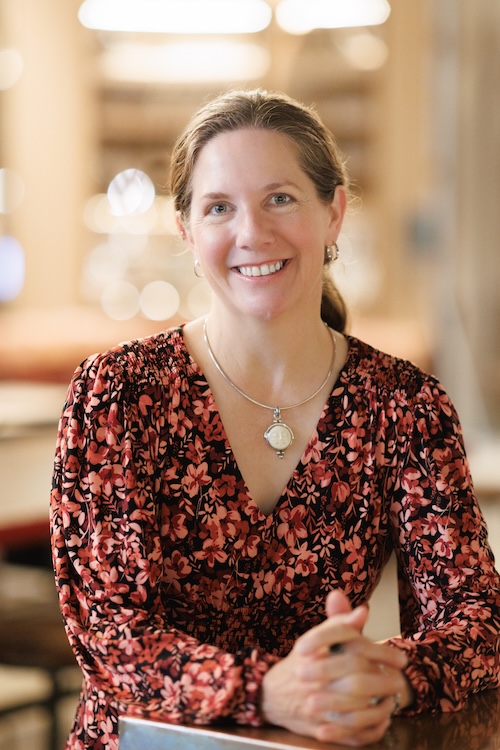
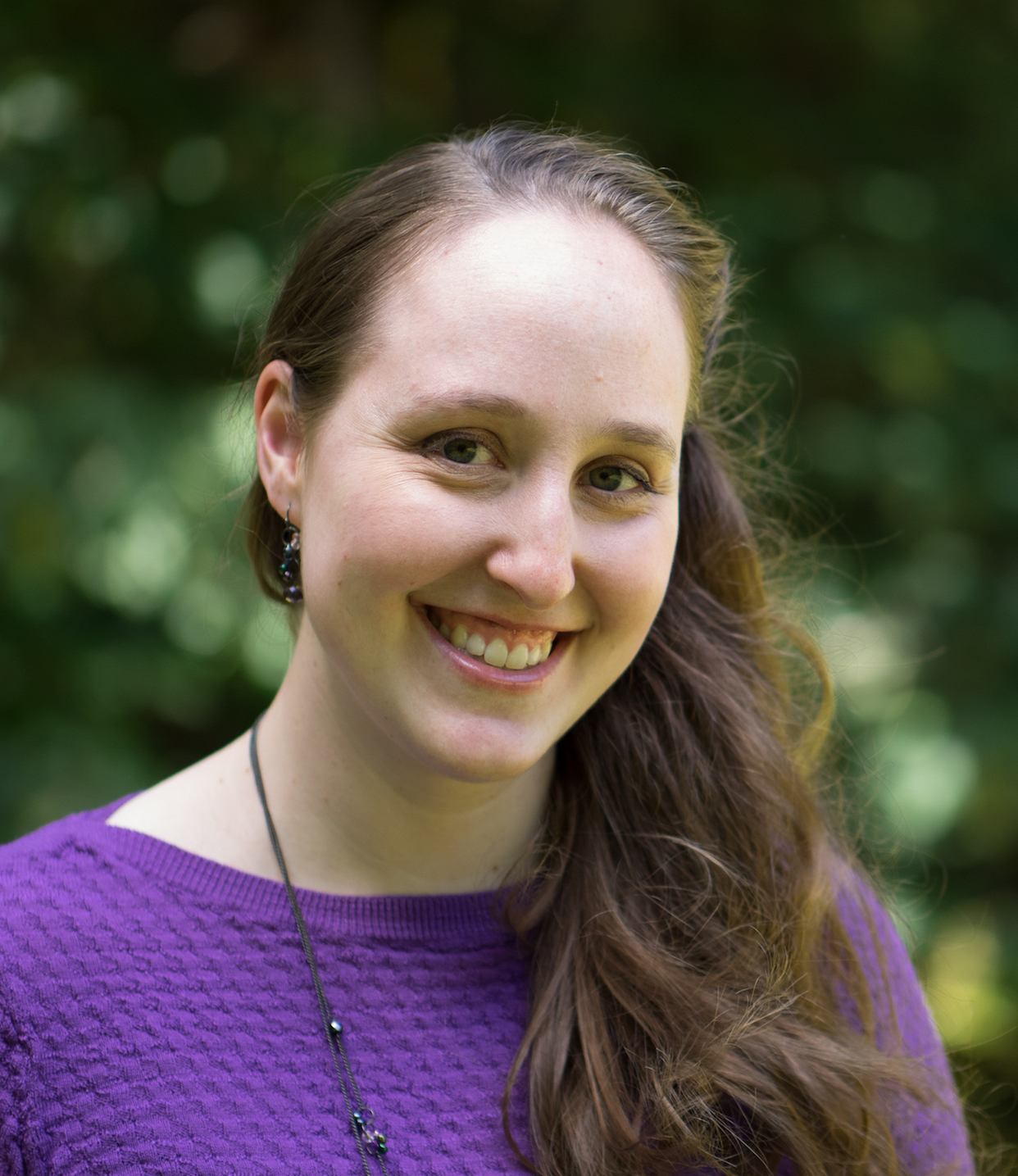
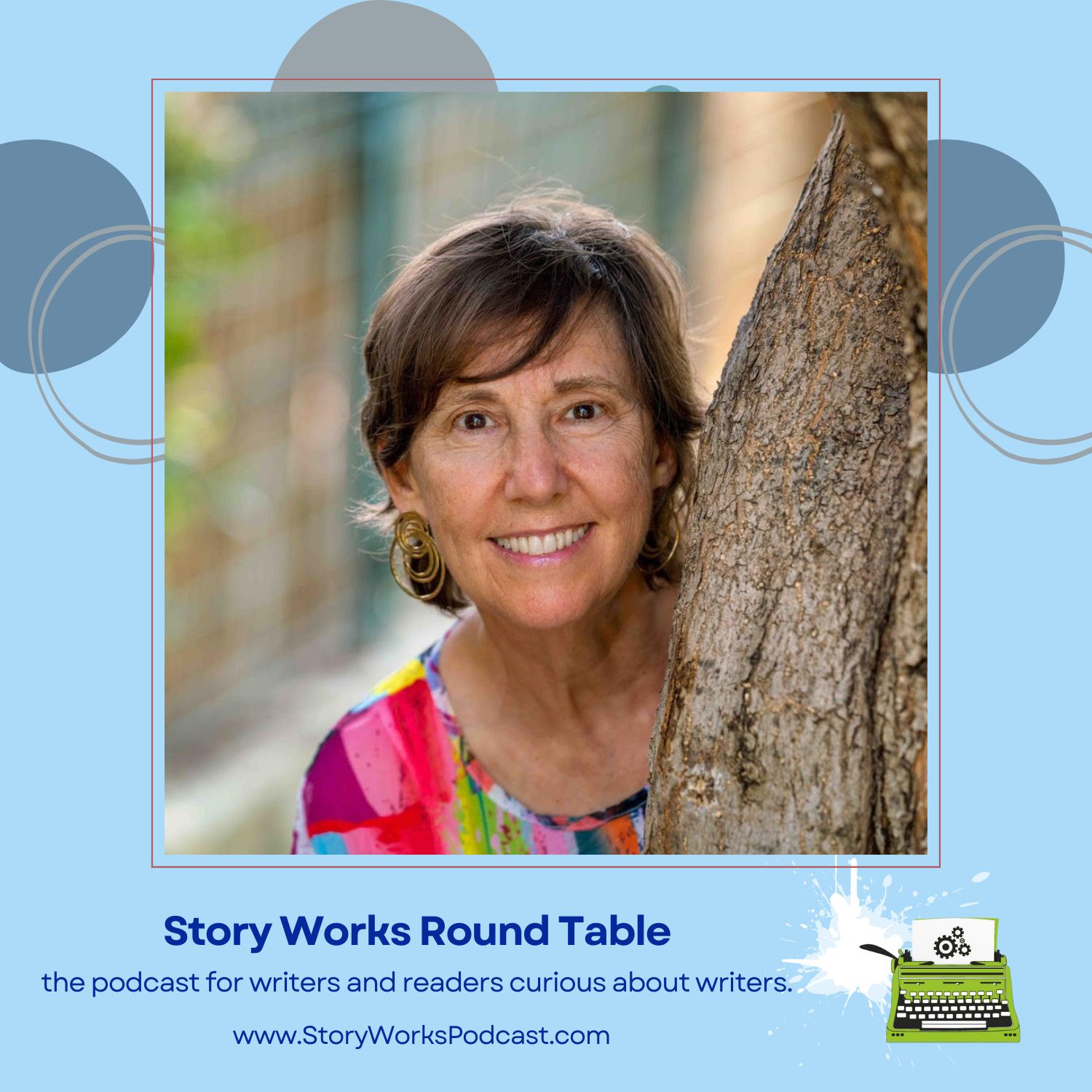
Kathryn Arnold writes fantasy and anything else that sparks her creativity from her home in Kingston, Washington. She currently earns her living as an insurance underwriting assistant, where she also creates marketing and web copy. When not writing, she plays (and teaches) piano and keyboard in a band (or two), and is working on starting a ministry team with her husband. You can find Kathryn at www.skyfirewords.com.