
Beyond the Hook: a free, live webinar
- Everything you really need in your opening scene.
- FREE 1-hour webinar.
- Live session.
- Learn what it takes to get your readers from opening hook to committed to your book.
- One session, three dates to choose from.
July 30, August 12, August 26
2:00 – 3:00 p.m. E / 11:00 a.m. – noon P
Register for the webinar here & get updates about workshops (not a newsletter). Your email is safe. Your time is respected.
In this episode, Alida welcomes Danielle Anderson, a seasoned nonfiction book coach and editor, as we delve into the concept of the heroine’s journey. Drawing from Maureen Murdoch’s influential work, Danielle shares her personal experiences and insights on the internal journey women often face, contrasting it with the traditional hero’s journey. Discover how understanding this narrative can empower women to embrace their unique stories and identities. This conversation is a must-listen for anyone seeking to explore the depths of their own journey!
“The heroine’s journey is an internal journey, and it mirrors the experience in my life.” – Danielle Anderson
The Heroine’s Journey by Maureen Murdock
AUDIO
Danielle Anderson is a trained nonfiction book coach and editor, bringing fifteen years of writing and publishing experience to help amplify the story, voice, and message of passionate writers.
Danielle is the birth mother of Ink Worthy Books, a full-service editorial and publication services company providing support to self-publishing authors of soulful nonfiction, and the Soulful Nonfiction School, a sacred community of soulful creatives writing books that move the world forward.
Outside of business, words continue to color her life through music, books, movies, art, and writing. Danielle thrives on staying active. You can find her going on adventures and making magic with her four kids, lifting heavy in the gym, reading, writing, playing her guitar, exploring the parks and river valley near her home, geeking out about cool rocks, or taking cat naps in the sun.
TRANSCRIPT
This transcript is AI generated. If you notice any inconsistencies or errors, blame the bot.
Alida Winternheimer: Hello and welcome to this Week StoryWorks roundtable. Today, I am delighted to be joined by Danielle Anderson. Danielle is a trained nonfiction book coach and editor bringing 15 years of writing and publishing experience to help amplify the story, voice and message of passionate writers. Danielle is the birth mother of Inkworthy Books, a full service editorial and publication services company providing support to self publishing authors of, soulful nonfiction and the soulful nonfiction School, a sacred community of, soulful creatives writing books that move the world forward outside of business. Words continue to color her life through music, books, movies, art and writing. Danielle thrives on staying active. You can find her going on adventures and making magic with her four kids, lifting heavy in the gym, reading, writing, playing her guitar, exploring the parks and river valley near her home, geeking out about cool rocks or taking cat naps in the sun. Welcome, Danielle.
Danielle Anderson: Thank you so much. I appreciate you having me.
Alida Winternheimer: Yeah, it is my pleasure. And we are going to talk about the heroines’journey and I’m really excited for this conversation because it’s one of those books that has been crossing my radar for some time. So it’s been on my list to read. And I know you’re enthusiastic about this topic. So after we talk, I’mnna have to bump it up to the top of my reading list.
Danielle Anderson: Yes, I would highly recommend it for anyone. but specifically for women to understand what might be the journey experience that they’ve gone through in their life. We obviously will get more into it, but it’s an amazing book, highly recommend by Maureen Murdoch. I just wanted to make sure we threw that out there in case people are fast to Google and looking it up.
Alida Winternheimer: Right. Thank you. So tell us, a little context for this. How did this book cross your path and become important in your own writing? Journey?
Danielle Anderson: Yeah. What a beautiful first question. So the heroines’s journey. Just to kind of give a little context for those who may not have heard it, we can. You probably have heard of the hero’s journey, right? Something that has been around in storytelling for, I don’t even know how long. Forever. Right. So hero’s, journey takes you through this adventure that the hero goes through. He has to, you know, leave home and, and go slay the dragons and get the thing and bring it back. Right. It’s a very external journey. So Maren Murdoch, worked under Joseph Campbell, and really she got to a point where she realized, you know, the woman, the feminine, actually goes through something a little different in life. It’s not always a hero’s Journey, and we use hero’journey a lot to structure memoir. but the heroine’s journey is a bit different. It’s an internal journey. And we’ll talk more about that in a minute, I’m sure. But to answer your question, I was going through a phase in my life where I’ve built my life, my business. everything that I did was built on masculine energy. I was the oldest of four girls. My dad left when I was young. I had my oldest son at 18, right. So I grew up really quickly, learned to succeed in the world, learned to go out there and earn my money and earn my keep and prove myself worthy of all the men in corporate and all of the things. Right. So I have, for all intents and purposes, led a very masculine life. And I got to the point where, running a business full time and being a full time single mom of four and trying to actually be like a healthy, happy human, a female human, if you will, was very challenging. And I realized I really needed to understand my feminine and my personal journey as a woman and how it relates to the patriarchal society that we really live in. so I threw a post out there to my people and I was like, somebody recommends some books about, like, female masculine energy. I just need some things, right? And I like to jump out and read books when I want to learn. So someone recommended this and I picked it up and it just. This is, it’s one of those books that I probably will remember forever. I probably will reread many times. I have my copy that I won’t ever borrow, but I will probably buy a stack to be giving out to my sisters and my girlfriends and because it’s just been so instrumental in my identity as a woman.
Alida Winternheimer: Wow. Well, gosh, kudos to you for everything that you have accomplished. As you were describing, sort of being thrust into the masculine world and finding your way to succeed there. And then also being a mother of four and then becoming a single mother of four and this journey to explore the feminine. I was thinking, wow, what an impressive amount of stuff you’ve had to tackle in your life and how. I think so. I’m not even sure how I want to word the idea. That’s kind of at the back of my mind. But I was sort of turning the lens on myself and thinking about my childhood and my, ah, female role models and how it was. I feel like my role models were feminine. Right. But not. Not in an empowered sense of the feminine. It was more the domesticated feminine.
Danielle Anderson: Y.
Alida Winternheimer: Right. And so then you become an adult as a woman, and wow, how do I find success in this world that is so masculine dominated? And then what does it mean to balance my feminine and my masculine? And who am I? And what if I didn’t like the version of the feminine I grew up with? Then how do I find this feminine, you version, this identity that I do like, that’s comfortable and expansive and comfortable like, fits me, not, like, safe comfortable and all of those things.
Danielle Anderson: Yeah. And Maren Murdoch would say, part of the heroine’s journey in the beginning is detaching from that feminine role model, the mother, if you will. And sometimes it is your actual mother, your birth mother. But it’s usually, to broaden that. It’s usually just the idea of detaching from the idea of what a woman is or what a feminine woman is. Right. A homemaker, a mother, whatever. And so to survive in this world, we are told, that’s not really how you do it. You have to go be a man and, you know, play the man’s games, you know, rise the ranks, the rise the corporate ladder. Right. Go do those things, prove yourself. And eventually, how you have to. So the hero’s journey is more linear, and the feminine or the heroine’s journey is more cyclical. Right. So we actually have to return and have a homecoming and a repair of that relationship with the inner feminine. and when I started looking at the journey, I was struck, just deeply struck, how it mirrors the experience in my life. so much so that I’m using it to actually structure my own current memoir in progress. And it’s been so validating and so, exciting to be able to see. Like, everything actually makes sense now. So, yeah, there’s a lot there.
Alida Winternheimer: Yeah, definitely. Yes. So you mentioned narrative. So can you lay out for us? kind of. You said the hero’s journey is more linear, the heroine’s journey is more cyclical. So can you give us kind of the side by side?
Danielle Anderson: Yeah.
Alida Winternheimer: Ah, yeah, I would love to.
Danielle Anderson: Yeah. So the short answer to the hero’s journey, right, when we look at that in a linear fashion, it’s, you know, it starts with the hero. He’s kind of hanging out at home doing his thing, right? He gets this call to action. He’s like, okay, I can choose to act or not, right? And he leaves. He choose to. Chooses the act, right. He leaves the house. And of course, I’m speaking metaphorically here, he leaves his comfort zone, right? He goes on this adventure. He’s going to go Accomplish something. He’s going to go do something. He meets people along the way that are going to help, that are going to get in the way. He has to slay dragons and all of the things, right? It’s this very masculine show of achievement and victory and doing something big. So he gets this elixir, right? He gets the prize, he wins the battle and he brings it back home where he can then share it or whatever, right? Like kind of up levels his life, if you will. So he very much walks this straight path. We leave home, we go do the thing right. Period. There’s not a lot of like, figuring out who he is along the way. and you know, going all of these different directions only to figure out that’s the wrong way. Of course this is, you know, I’m missing nuance here, right? But it truly is right. He leaves the comfort of reality, something shakes him out of his current reality and he very much has to go and accomplish this thing and then reality can return. So it’s kind of a go out, come back type of journey. and I look at that in a linear fashion because it is kind of from point A to point B and then life can resume, right? it’s not that it won’t be different, but it does. You kind of return home and y. Like we kind of just resume living, right? To compare it, the heroine’s journey is very much, almost spiral based, if you will, because a lot of these things don’t always happen in the same order. They. You sometimes revisit parts of this in different ways. So I like to look at it almost, like a tornado spiral, spiraling up. Rather than you step outside and you go and you do the thing and you come back. So one of the first, points in the heroine’s journey is a detachment from the feminine. We have to detach from our mothers so that we can find our own identity. Right? and sometimes this is a literal, like I said, a literal detachment from your actual mother. but a lot of times it’s this, you’re trying to then shift your identity toward living in a way that will be recognized by men, will be recognized by the external masculine world. So a lot of younger girls will, try to, you know, be. Get their father’s approval, get their father’s attention. They will very. I was very much a daddy’s girl, you know, and when he left, that shattered me. I had to figure out what was going on. I pretty much stepped into his shoes. so I was Always the leader, the go forwarder, the person making the actions, making the decisions. Even in my marriage. So you live in this masculine world and you hustle and you grind and you do the thing and you get to a point where you realize there’s this aridity, there’s this death, death of soul. There’s. You’ve lost yourself. I remember vividly feeling invisible to everyone. I was just a cog in the machine. Go to work, make the paycheck, come home, feed the kids, bathe the kids, wash the clothes. Like it was just task based living. There was no me. and the heroine will get to a point where all of the achieving, all of the doing, all of the accolades, all of the things that we are prized for in the masculine patriarchy, do not feed her soul. And she realizes she’s been fooled. She’s been fooled. so there is still kind of a bit of a overlap where there will be like ogres, if you will. There will be people who are trying to make this harder for her. Right. When you think about a woman in a man’s world, there’s alwaysnna be those, the men get the opportunities that the women have to work harder for, right? So there are those similar challenges. But, when she realizes this, she essentially gets to a place where it’s almost like her spirit breaks in a way that she can no longer continue moving forward. She almost is paralyzed with this. It’s not working. That’s why they call almost like a spiritual death. And she dies to that way of living. And she will try to make it work, but she will get to a point where it’s no longer working. And Maren, Murdoch, in her book shares many examples of women who just like, up and quit their career. Like high powered, very, highly regarded, highly successful women just up and walking out of their office, never to return to go spend six months in the damn garden. Right? And so what she does is she actually goes underground into the realm of the mother, right? The feminine, the goddess. Right. So the earth, is. So my underground experience was a really. Just pulling my energy back from everything I was doing. I didn’t market my business. I barely took care of my house, like proactively. You know, I mowed my lawn like twice that year. Like it was just. I couldn’t, I didn’t have the energy for it. I just simply could not show up. Like, I had my, my energy was pulled back to take care of who I was, and really give and nurture. I had to learn to mother Myself, I had to learn to love myself and nurture myself. and then at a certain point that the heroine will realize that she can no longer live the way she’s been living. And she must allow room for this feminine existence. And a lot of women will get into like literally digging in the dirt, gardening. That’s a very feminine experience. but that’s. It’s a good visual. But I’m not a gardener and I don’t know if I have. But I learned to play the guitar. I read, I wrote, I spent time outside. I didn’t wear pants for a whole year. Cause who needs pants, you know? So I, you know, I had to kind of let it go and then I had to reconnect with. I really had to heal that mother wound. She calls it a mother wound. And my relationship with my mom has been very complex. and that’s a whole nother episode. Okay, we don’t have time for that. But this journey has really healed. She says sometimes it is literally healing that relationship with your mother. But a lot of times it’s that internal mother of learning to mother ourselves, learning to really take care of ourselves and stand up for ourselves. and then you learn a new way of living. And you really have to integrate the feminine and masculine because the masculine is not the problem here. Right. That’s what we really need to remember. The masculine is not the ogre, the dragon. We need to. There’no slaying here. It’s an integration. It’s a marrying. It’s a bringing together of these energies so that they co create your existence. And until you can figure out how to do that, you will continue to struggle with need. I need to succeed and gain all these accolades and go do all these things. But my body is not allowing. My soul is not happy. I’m not able to continue living the way in which I’ve been living. So it is a very, kind of almost back and forth dance, if you will. That’s why I like to call it almost cyclical or spiral because you do sometimes go backwards and you have to take some sy. right. It’s a very messy existence. And here’s the other thing. This is what I’m running into a little bit in my own memoir. It’s very challenging to see this story play out because it sort of just looks like person who sometimes gives up. You know, like at some point we just kind of give up on things and we have to let things go. Right. So it doesn’t feel like that hero’s journey Of I accomplished the thing and I slayed the dragon and I won. You know, like, we aren’t getting this victory dance and society’s not out there going, girl, way to go. You learned how to integrate. You’re feminine and masculine. M. Like, we’re not getting parades. Right, Right. You do really have to, like, own this journey and own the importance of it. And that’s why I really am leaning into writing my story from that perspective and challenging myself to really look at my story using that structure and how I can pull that into, an engaging and tangible experience for the readers. Because I want them to feel it with me and not just be like, hey, she didn’t go slay any dragons and her life looks exactly the same, but she’s a completely new person. How do we know?
Alida Winternheimer: Right.
Danielle Anderson: Is a bit of a challenge, but it’s totally a different experience in that hero’s journey.
Alida Winternheimer: Wow, that’s fascinating. You know, I think the hero’s journey, everybody is familiar with it because it’s the one we grow up with. It is.
Danielle Anderson: It’s in movies, it’s in everywhere.
Alida Winternheimer: Yeah. It’s pervasive throughout our culture. And it is the structure we all know and identify with, whether we know we know it or not. You just. Because it is the narrative arc of the stories we consume. And I think the heroine’s journey appears more in memoir, in nonfiction, but memoirs specifically, because there’s that person attached to the story. Right. And so we get engaged with her personality, her struggles. We want to see how she came through what she came through. And, Lydia Yunovich’s the Chronology of Water comes to mind because she tells us that she’s not going to give us a linear story. She’s not going to tell us what happened in her life. She’s using her memory and its associations and the meaning of things. And she is a swimmer, and so water and that symbolic meaning. And of course, we think of water and wombs and.
Danielle Anderson: Yeah, water, right. Yes.
Alida Winternheimer: Yeah. And so it is a kind of messy story in a structural sense, and yet it holds together for other reasons. And it has movement for other reasons. And thinking about novels and how you would tell a story like that, I’m coming up against this right now in my work in progress. It’s at the point where I’m putting chapters in front of my critique group and know I’m getting some notes like, but what does the protagonist want? Is this F. And I’m struggling with this. Well, it’s not that kind of story. Right. Which, and we’ll use this language here, it’s not a hero’s journey story. And even though I haven’t really been thinking of it in terms of an alternative structure, the story wants to be told in an alternative way.
Alida Winternheimer: Right. So when you are working with your clients or working on your own memoir and you’re thinking about these challenges of the artist’s intention versus the reader’reception and how to kind of bridge gaps and what we all think of as story and forward movement versus the heroine’s journey.
Danielle Anderson: Yeah, yeah.
Alida Winternheimer: What do you do? What do you say?
Danielle Anderson: Yeah, yeah, I love that question. I mean, there’s so much to say here because what we’re talking about, what we’re dancing around, the heroine’s journey, the structure that your book is being called into, the Chronology of Water. Right. All of that that we’ve just been talking about is. I kind of look at it like, what container do you need your story to be held in in order for the readers to receive it? And the readers don’t always understand what they’re getting or expect what they’re going to be getting. and you’re put in a position when you choose what you call, like an alternative structure, to be brave and kind of go forward in a bit of a trailblazer type of energy, where you’re going to have to say, look, dear reader, we are doing something a little different here. Right? So, you could make this Place Beautiful by Maggie Smith is a collection of poetry. Ish. Small essays, memoir. Right. And it is very memoir. But she is doing this a little differently. Now. Maggie gets. She gets the green light to do this because she already has a following who is listening to her, who understands she’s a poet who kind gets her vibe and style. Right. So if you’re looking at it from a debut memoirist, debut novelist perspective, who. Where you’re not necessarily feeding a waiting army of readers that are like, we don’t care what the heck you have to say or what structure it’s in, will eat anything you deliver us. Right. Then you do have to prepare them. And I usually suggest to my clients a couple things. Number one, when we are writing, we are very guarded about where and how we ask for feedback and receive feedback. Just because you get feedback does not mean you need to take it. Your intuition and your vision of this book are, the controlling factors. Yes. You want it to be marketable. Right. You want it to be palatable for your readers. But sometimes you are doing things that they aren’t familiar with or necessarily comfortable with because they haven’t experienced that. If you are confident that this is a good structure to hold your story in, then stand in your confidence. But be careful you let into the writing room. Okay? We cannot go asking every Joe Schmo and Jane Schmo m what they think about your book. Right? So sometimes that is stepping out of writing containers with non professionals. And I hate to say it, but sometimes that’s where we get misleading feedback or feedback that can kind of crush our creative spirit, our spark. Because we’re getting like, this doesn’t work, this isn’t work. But you’re not quite getting the how to make it work piece of the feedback, right? So it feels more like criticism rather than constructive. And so we just have to guard ourselves a little bit when we know we’re doing something a little different. Right? So that’s number one. But then number two, we talk about ways in which we can prepare the readers that might be in your promo coming, you know, leading up to it, but it might actually be within the actual book, which is what I recommend. So, an author’s note. I think Maggie Smith does have an author’s note in her. You can make this, place beautiful, where she talks about what I particularly love about hers. And it feels similar, it feels like it might be transferable to other books within the kind of structural playground that we’re playing here. But she says things like, this is not a tell all, it’s a tell some. I’m not going to tell you literally everything. It’s not, it’s not up for grabs. My life is not an open book here. But I want to be able to tell you this story. So you’re going to need to just play with me here. There’s going to be little snippets and stuff like that. So I forget exactly what she says, but she does it really well. And she has received feedback that some readers loved it, some did not. You are going to have to be brave about it. If you are experimenting with structure, you just are. Because like you said, we are not writing another Hero’s Journey book. That’s what has built this market, right? And so we are coming at it from this fresh lens, this fresh angle and saying, you know, we’re going toa tell you a story, it’s gonna feel a little different. Just trust me, go with me. Right? And if you’re writing with your conviction, you’re going to be able to, and if you do this well, you’re going to be able to portray your authorial confidence to your readers. They’re going toa feel your confidence and trust you if you don’t over give and try to overcorrect and overe explain. So preparing them within the manuscript, probably with, an author’s note of some kind. There, there is other ways you can do this. There might even be visual ways or ways in which you can label the parts and chapters or whatever. I’m kind of playing with this on my, my end as well, because I do feel this tug of, like, I need to bring it back to, like, what people are expecting. It’s always this tug, this pull. So you really have to be very, firm in your conviction. And I would say, as a writer, prepare yourself. I guess this is number three. If I have to continue counting here, prepare yourself, structurally speaking, with material that will continue to guide you. I call these like tools, right? I create little tools. I create little, pieces of my structure to continue to be able to measure up my writing with. If I want it to be this thing over here, this shape over here, this structure. Am I writing it that way or am I continuing to feel the pull to back to what is normal standard, expected? So keep yourself, check yourself, right? Check yourself before you wr yourself with all those little tools so that you do provide the value that you’re promising to provide, whether they’re expecting it or not.
Alida Winternheimer: M. Yeah, that’s fantastic advice on all three counts, I think, with the critique groups as writers, there’s that stage in your development where you don’t have the confidence and you probably shouldn’t, right? Because you haven’t developed your writing jobops as fully as you’re going to at some point. And then you get the too many cooks in the kitchen effect and you trust people’s advice more than you should, and you question your vision. And then there’s a stage where you’re a stronger, more competent, brighter, right? So you know, you’ve got the confidence, you know your vision, you’ve got your aim in mind. There’s an ice cream truck going by. I don’t know if you can hear. I can by. Oh, I’m hearing it through my headphones. That’s interesting. good. But then you get into the writers room, and your writers, your critique partners are also trained. They’ve also developed their writing ch jobs. They have a lot of confidence, right? But they’ve been trained as you were in the Hero’s journey structure and in the sort of, realm the, worldview of this is what a story should look like. And so then when you’re breaking out of it, there’s this balancing act you have to do of saying, this is what I’m finding, you know, is what’s on the page not communicating to the reader the way I expect it to because I have to do more work on the page. Or is it because they’re reading it through that lens? That isn’t my lens. Right. Cause we don’t have a shared vision of what this character and this story should be doing at this stage.
Danielle Anderson: Right. Well, and what you say about their lens. Let me jump in here. Typically, writers learn to write through the lens of how do I sell this book? Right. We’re writing to a market, which you should be, you should be writing to your reader. But that can actually cloud over other things. Because when we think about the market, we’re, we’re bringing in capitalism, you know, we’re bringing in consumerism, we’re bringing in the market, we’re bringing in patriarchy. Right. Like, I could go off on a tangent about this, but the point is, if you are trying to deliver something differently, you have to understand that the lens through which your readers are going to need to read your book is something that you will have to help them develop. Right? So if youing m like you’re saying so eloquently about the critique groups and how you need to expect that they’re coming at it through that lens, then you can either train them, right? Like, this is how I want you to read this piece. This is how I want you to experience this piece. Give them that your author’s note. Right. Practice your little note before you give them the content you want to get feedback on. Right. so yeah, this is such a great point you’re raising.
Alida Winternheimer: Yes. And I think too, we come up against this other factor in the equation where if a book is published, it’s in a bookstore, you know, on the digital shelf somewhere, and a reader buys it. The reader has a certain degree of trust that this book has been through all the processes necessary to bring it to that point. And so the reader goes in with an open mind, willing to enjoy the journey. And if it’s not for them, that’s fine. Right. Assuming it’s not a quality issue, it’s just not their story. But in the critique stage, the readers are coming at it with an attitude of, my work here is to find problems and make suggestions. So then you don’t have that social agreement, that social contract of trust with your reader? yes. Y.
Danielle Anderson: Yes. And here’s the other thing we could add to this conversation because I think that was a really, really good point. what is, like, what is your ultimate goal with this book? Of course you want to sell books, but if you just want to sell books, you’re going to have to write something that is super marketable, like candy to the babies, right? You’re going to want to write something that will fly off shelves. And I’m not trying to say that this won’t be successful, but you probably are going to be stepping into a space that isn’t as recognized if you are experimenting with structure. So a lot of professionals, coaches, whatever, mentors, people who have published throughout the years, especially traditionally, will tell you that it is risky. It is something that you should take into consideration. I tend to be a bit more of a rule breaker than a rule follower. or we could call it just Rule Inventor. I just make my own rules, which is why I love playing in the self publishing playground, as I call it, because you can do whatever you want. You don’t have to. There’s no rules to follow if I feel like I’m going to be able to. Because as I’m talking, you can probably resonate with parts of my story, right? So it’s not that I don’t have a valuable story. The question becomes, how do I deliver this story? My goal is not necessarily to sell books or to make an ROI on my direct book sales. I understand that this is going to be something that I offer, for people who specifically will resonate. And that might be a smaller audience, but for me, the journey and the value, writing this is in the act of writing it and in the act of creating something that hasn’t quite been created like this either often or at all. Right? So I’m looking at that as part of my ROI and part of the joy of doing this and seeing if I can make it work. Almost like a personal challenge, right? Is this going to work, going to resonate? Is this going to land somewhere? Is this going to expand the conversation that’s out there? Because if we want to make change in this world, we have to start saying things that catch people’s attention and break things open. We can’t just continue adding to what’s out there in the same way, right? So I’m kind of about making changes, making moves, breaking down structural patterns that stand in our way of evolving. So I think this is one way you can really lean into that. But it has to be worth it for you. If your goals are misaligned, then, what takes you to your goal and do that?
Alida Winternheimer: M. Yeah. I cannot agree more. I may strong believer in telling the story that wants us to tell it. The story comes to us and it needs to be told. And that’s why we keep getting that nudge. That’s why our reels keep turning. It won’t let us, you know, it won’t let go of us. It’s not the other way around. And so for me, writing is about artistic expression and exploration and having a voice and, you know, marketability is great. Yeah, of course, you know, but that’s a different animal. you know, one of the things I’ve noticed recently in nonfiction editing and coaching clients I’ve seen coming to me, recently flubbing my words there, that was so articulate. So I’ve noticed recently, memoirs among my coaching clients are writing spiritual memoirs. But there’s this hesitancy to share the spiritual part of their stories. And so as I read their manuscripts and I work with them, I’ve been saying multiple times over the last year or two or three, you know, I think what you want to tell is this spiritual journey. It’s on the page, it’s in the text. Right. It’s present. I’m not inventing or forcing anything, but I can see that there’s this push pull between the story that’s safe. Right. And the story that wants to be told. Kind of the head story and the heart story. and I wonder if there’s a. A connection between the hero’s journey and the heroin’journey and some of these other push pulls we’ve been talking about, I would argue.
Danielle Anderson: Yes. And I love how you called it head story and heart story. because that’s kind of how I experience what I do. I call soulful nonfiction because I think there is something very heart and soul centered in telling the story that you are being, like you said, polleded and called to tell. what’s smart, what feels smart, what feels marketable, what feels easy or whatever. Right. tangible might not always be how your story needs to be presented. Here’s what I think is part of what’s going on with your experience lately. there are so many stories out there. Right. There’s so many books, there’s so many, wow, wow factor stories. Oh my gosh, I can’t believe that happened. Right? More and more people are sharing, which is beautiful. And I think part of, what we need to Continue supporting. But people, get in their head that they need their stories to feel so special. Feel so, just. Oh, my gosh. Like, I can’t believe. Like, just mind blowing, right? I had one client come to me. She was working on a memoir, about her. Let me lay this out for you. She had infertility. She adopted. And then she had breast cancer. And then even her dad was mentally ill. And like, she was trying to wrap all these up in one. And she was working with a professional who was like, we should braid these. And it was just so complicated and convoluted that it wasn’t working, was falling apart. She hadn’t found her through line. Which, by the way, was like, how do I own my femininity and my role as a woman when my uterus and my breasts and everything about me that’s supposed to be female isn’t working and hasn’t worked? Right. So we work. We figured out what that underlying theme is. But what she was told by this other professional was, you need a boiling rabbit moment. Now.
Alida Winternheimer: Oh, no.
Danielle Anderson: You know what that phrase means?
Alida Winternheimer: Yes, I do.
Danielle Anderson: See, I didn’t. I hadn’t heard that before. Apparently I needed to watch. What movie was that?
Alida Winternheimer: Basic Instinct. Is that the one?
Danielle Anderson: I know and I keep want.
Alida Winternheimer: I know it was Harrison Fores.
Danielle Anderson: You’re in the area. But.
Alida Winternheimer: Yeah, I mean, I can. I can picture those. Butm.
Danielle Anderson: But the point is she. She was told that she needed to have something wow and special and. And like, memorable. And the thing that, like, makes a good, experience for the readers, for the watchers. Fatal Attraction. Yep. And here’s the thing in fiction, build it in. Do it. Have your boiling rabbit moment. But guess what? Memoir is based on reality, based on real life. And you know, real life is kind of boring sometimes. Like, it’s not that boily rabbity all the time. Right. Like, it is kind of basic at times. And so people get to this point where they’re like, u. It’s not sparkly enough. It’s not special enough. Because as the hero’s journey, you see it lived out on the external. You see these boiling rabbit moments, you see these ogres, Slade, these dragons. Slade, whatever. And you can go like, yes, this is tangible. I can point to it. I can feel it. I can see it. And the heroine’s journey lives under the surface. It does. It boils under the surface. It ha. It unfolds inside. And so it’s very challenging to capture that on the page in a way that feels like we can hold it up to the fatal attraction books of the world and feel like we’re competing, feel like we have something to add to the conversation. But I think you nailed it. There’s a different story they want to tell. They think they should just tell it a different way so that the readers get it. And that’s not really what does the story justice it the story off at the knees. You’re missing something important. And so I think you’re right. I feel like there is a connection there between m heart and head. Now we don’t want to lose the head. We don’t want to lose the smart parts of structure that can support us. We do need to be able to tell a story, but that doesn’t mean the story needs to be something else. So for memoirs who are tuning in, be very careful not to take the advice and structural, guidance that is being given to novelists all the time because they have more room to play and we don’t. We just don’t.
Alida Winternheimer: Right. Well, and even to novelists, I mean, I want to jump in here because I think this goes back to what we were saying before about the advice that’s out there even amongst well, credentialed writers, whether there are peers or people were looking to for guidance because of the dominant system of training and story structure. Just because somebody is qualified and good and well meaning doesn’t mean that they’re going to understand your vision. So I think there’s a word of caution there for anybody who’s like shopping around for a coach or an editor to make sure you have that conversation about this is my vision.
Alida Winternheimer: What kind of advice would you give me? Have you worked with writers like this before? And then also, you know, that boiling rabbit moment, it’s so big, it’s so dramatic. Right? Y. I mean, you see it on the movie screen and it is larger than life for a reason. And you can have the peak moment, the climactic moment in your narrative, whether it’s fiction or nonfiction. And it’s not about scale. Right. It’s not about explosions, it’s not about shock value, it’s about emotional resonancees. Is this the peak moment of power? And that might be silent. Right. Versus the explosion. So there are so many levels and so many nuances that we can play with, but it’s about bringing the reader through the journey to that transformative moment, whatever that looks like.
Danielle Anderson: Yes. And that’s. That peak you’re talking about is why I have my clients when I’m coaching With them or my students in my school, I have them identify the emotional journey almost like you would a hero’s journey from point A to point B. What is the emotional transformation? So mine might be, from invisible to visible, right? And what is the most visible moment? It might not even be that visible. You know, funny enough. but the point is, when you can identify the emotional journey rather than where is s the biggest dragon I slayed, where is the biggest m moment, the most memorable, impactful moment, then you’re really honing in on that spiritual component and the thing that happens underneath the surface that actually does move your story forward. We just can’t always see it in the same way, in the same light.
Alida Winternheimer: Yes. Yeah, so true. I want to talk a little bit about the sexes, right? So there’s clearly a masculine and eff. Feminine component here, archetypally, symbolically, in terms of energ life experiences, the way we’re raised, our cultures, so many things here. So, and we know women often embark on heroes journeys, right? We have to. I mean, you started by telling us how you went out into the world and made your way by fighting that good fight in the masculine realm. So do men also take heroin’s journeys? Or, are more men starting to recognize the heroin’s journey is something that they explore? Have you encountered that in your work?
Danielle Anderson: You know, I can’t tell you that I’ve necessarily encountered it in an obvious way, but I think it is part of both sides of the coin. Because here’s the thing, and I hope all men know this, but we all have a feminine and masculine side, right? And neither is bad nor good, right? They just are. And the whole idea is that when you suppress that part of you, whatever part, right? Because sometimes people suppress the masculine. that is where the disconnect and your identity can be formed, can come from, can be sourced from. So a lot of men have been taught to suppress their feminine, just like women, right? So they too, probably do experience to some degree if they’re leaning into this work, some type of heroin’s journey, if you will. But what I think happens is that men don’t always lean in there because they are rewarded and they do raise, you know, they get the doors opened, right? Women get to a point where, because we are women, because we are gendered as female, there is that death of spirit. And I don’t know, I would have to do. Because here’s the thing, I’m not an expert in the energies, right? I have dabbled I have studied, but this is not my area of expertise. but I would have to look into that because whether or not men get to a point where they do feel this death of spirit almost, I have to imagine the answer is yes. I have to imagine that simply succeeding and excelling in the external world, business or whatever that may be, academics, whatever. Hm. Is not enough for a human soul. There’s so much more in life. Right?
Alida Winternheimer: You’re.
Danielle Anderson: If you cut off the emotional experience of it all, what does it all mean? And a lot of men, I think can excel and exist in that space because number. When they’re surrounded by men, number two, you know, they tend to lead in their masculine. So that’s, you know, probably doing them some benefit there. But, I think if they were to slow down and really take a look at that there is that spiritual experience that they might m. Be missing. Maybe they’ve gone through that kind of finding themselves experience. because here’s the thing. Joseph Campbell was convinced, you know, the hero’s journey was supposed to apply both to women and men. Right. So. And it’s not that it doesn’t, but I think Maureen Murdockh, her argument was like, we’re missing this half of the equation here. We’re missing this conversation that actually might resonate and serve more women in this current society that has. Because when you look back, I’ve gotten into Greek mythology and all of the stuff. When you look back, the feminine was regarded as this goddess, this wise, wise entity. And then religion came along and killed it and called it, you know, all sorts of mean things, all sorts offul things. Right. And so all of a sudden the women was made smaller and shamed. And we have now existed in this space where women were not treated as equals for a long time. So women specifically are going through this journey and this transformation because of our history being treated as this gender. So men probably don’t experience it in the same way. But I can’t necessarily speak to that, from my personal experience, obviously, as, as a woman. But, ah, you know, my clients also, I know there’s definitely spiritual men out there, but at the same time their role might be to discover something different than what we’re dealing with on the heroine s journey.
Alida Winternheimer: Right, right. Well. And you know, symbolically or archetyp. Or energetically, I think we could use any of the three words, although they aren’t quite interchangeable. there’s so much with the hero’s journey that is externally driven. Go do. Right. It’s very active. It’s the active energy, the active principle. Whereas the feminine principle, symbolically is the receptive. So passive, not in the weak or not doing, but it’s the receptive energy. and when one dominates as profoundly as the masculine has in our culture, we have a tremendous imbalance. And I’ll be interested to see in the coming decade or whatever if story shhips of story follows the trend I think we’re seeing around us now of the awakening of the feminine principle. More people talking about this, more people interested in balance and spiritual pursuits and such. If these kinds of stories that do shift the structure, that don’t have boiling rabbits, you know, open new possibilities for us. And if the positive reception of them grows you, you start on the fringe and then eventually people take it on, take it in.
Danielle Anderson: yeah, yeah, yeah. You’re reminding me of Malcolm Gladwell’s book. And now I’m blinking on the name. What is it he talks about? It’ll come to me. He talks about how there are specific groups of people in our society and we have this kind of front runner o the tipping point. We have this front runner kind of small little group that goes ahead of everyone and kind of test these things out. And they’re like the crazy weirdos that, you know, do all the things that, oh my gosh, you know, women are wearing pants, you know, like that type of idea. Right. and then we have like the early adopters who are like, okay, yeah, like we can be a little, edgy and we don’t have to be in the bulk of the main group of society. Like we can go ahead a little bit, but they’re not necessarily the first to dabble. and they’re a little bit bigger of a group. And then we have like the herd, you know, like the rest of, and then we have late adopters, but we’re not talking about them. But the point is, know by the time that a lot of these things are being widely accepted, we’ve already had these people who have had to go forward. So if you are experimenting with the struct, you might be in one of those first two groups where people have not tried this before or not a lot of people have heard it before, or you really are kind of, it. It might feel like you are shouting into a mostly empty room, but that doesn’t mean your readers aren’t out there. You said this earlier and I want to circle back to it. when books are on shelves in the bookstore, it does come with this inherent trust factor, like the book, has been vetted by all the people and now it’s ready to be sold. Right. Bookstorees do not sell books. Authors sell books. You will be the one selling your book. You have to convince the bookstore, you have to convince a distributor, you have to convince a publisher. If you go that route, right, no matter what, you are the one selling your book. So if you are magnetic and attractive enough, the people will start trusting you and then will pick up your book. Right. this may mean that you don’t, exist on an author’s salary right away.
Alida Winternheimer: Okay, Author’s salary? What is that? I don’t think that’s a thing.
Danielle Anderson: And I’m m not trying to say it can’t happen or you won’t sell books. Please do not misinterpret what I’m saying. I’m telling you to be brave and go with your own little lantern. Because it might be a little dark out there at first. Because you are leading the pack, if you will, in a way that even though it hasn’t necessarily been tried and true. Right. Like you’re not following the paved path, it’s not that you won’t find people along the way. Right. Because we are starting to see a shift in a lot of things. And I bet you. I agree, it’ll be interesting to see the next 10 years or so how this shifts and how the conversation starts tipping. Right. I’m sure Gladwell has thoughts about this.
Alida Winternheimer: Yes. Yeah. I wanted to loop back to the idea of mythology. the myth of Persephone going to the underworld and, you know, looking back and being trapped by Hades and then her mother, whose name I don’t know off the top of my head, like, negotiates to let Persephone return for half of the year. So then we have spring and the changing of the seasons. And I’m wondering if you’ve got a particular myth in mind that exemplifies, the heroin’s journey, whether it’s anything to do with Persephone or something.
Danielle Anderson: That one she does talk about in the book. Yeah, absolutely. A lot of this is based on mythology, which I think is really awesome because. Because it’s, I might. For those interested, I will also recommend Robert Johnson’s he, she and We. Three different books. I don’t know if you’ve heard of them. Absolutely. Mind blowing for me. Absolutely. And I believe she actually does reference them in the book. I’m now flipping through it. It’s sitting next to me. Robert Johnson talks about, you Know, it’s just so fascinating when you study Greek mythology and look at these stories, these made up stories and how they truly are based in the human experience. They’re very, very aligned with and parallel with these things that we go through. so I wouldn’t say there’s necessarily one myth, but it is based on a lot of the experiences, that are told in those myths and come together to really. Because what you just talked about, a Persephone going to the underworld, that’s that going underground, that’s that kind of pulling in and pulling. you know, when you think about the heroes, heroes journey goes out, right. Heroin’s journey goes in. That’s the difference here. And again, mythology will talk about the hero’s journey. You know, there’s, there’s, you know, the kind of standard, standby, if you will. Right. Of story structuring. So it’s a really good question and I don’t think there’s an answer to one specific myth, but there is a lot of that. So if that’s an interest to you will absolutely enjoy learning about this. what I really love, ultimately what I really love about that is that this has been, this has been a learning tool for us. A thing we can learn from for hundreds of years, not thousands. Right. So it’s not anything new that we’re talking about. It’s a returning of these things to today’s conversation in order to allow us to have a more whole and true, authentic human existence. That’s what I think this is all about.
Alida Winternheimer: Yeah. What a great note to end on. yeah, yeah, I love it. Yes. The spiral, it cycles and cycles upward. So it can re. Emerge in our collective consciousness and reenter the conversations of the day, but with new meaning and new impetus for change. Right. For growth.
Danielle Anderson: Absolutely.
Alida Winternheimer: Yeah, yeah. What a great conversation. I’m so glad you were able to join me and.
Danielle Anderson: Yeah, yeah.
Alida Winternheimer: So where can our listeners find you?
Danielle Anderson: Well, I lurk around the interwebs. my website is inworthybooks.com. you can always find me there. But I hang out, as Danielle, as just a cool chick. If you want to find me on Facebook, I think it’s Danielle Inkworthy Anderson. Because who can find an Anderson anywhere in the world? but I have a bunch of places that I provide value, YouTube, Instagram, you know, all the things. So you’ll find me, you’ll find me around. But go to my website and that’s where all the things will be perfect.
Alida Winternheimer: And we’ll definitely link to that website in the show notes over@storyworkssppodcast.com as well.
Danielle Anderson: Well, wonderful. Well, thank you so much for having me. This is such a pleasure.
Alida Winternheimer: Pleasure all mine.
About Your Hosts
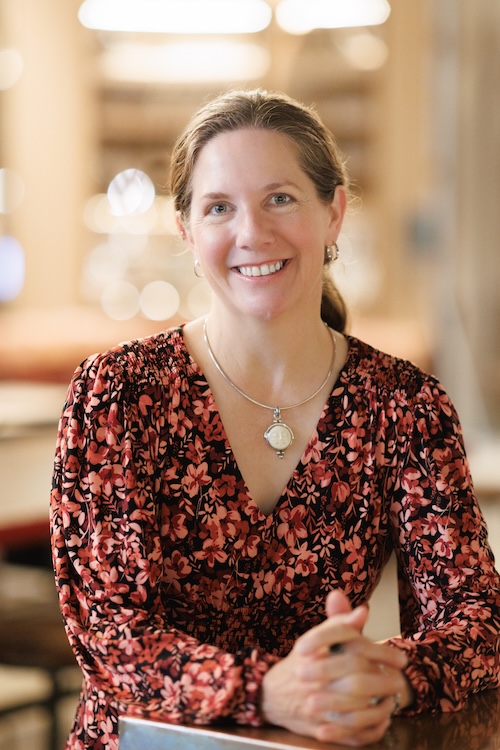
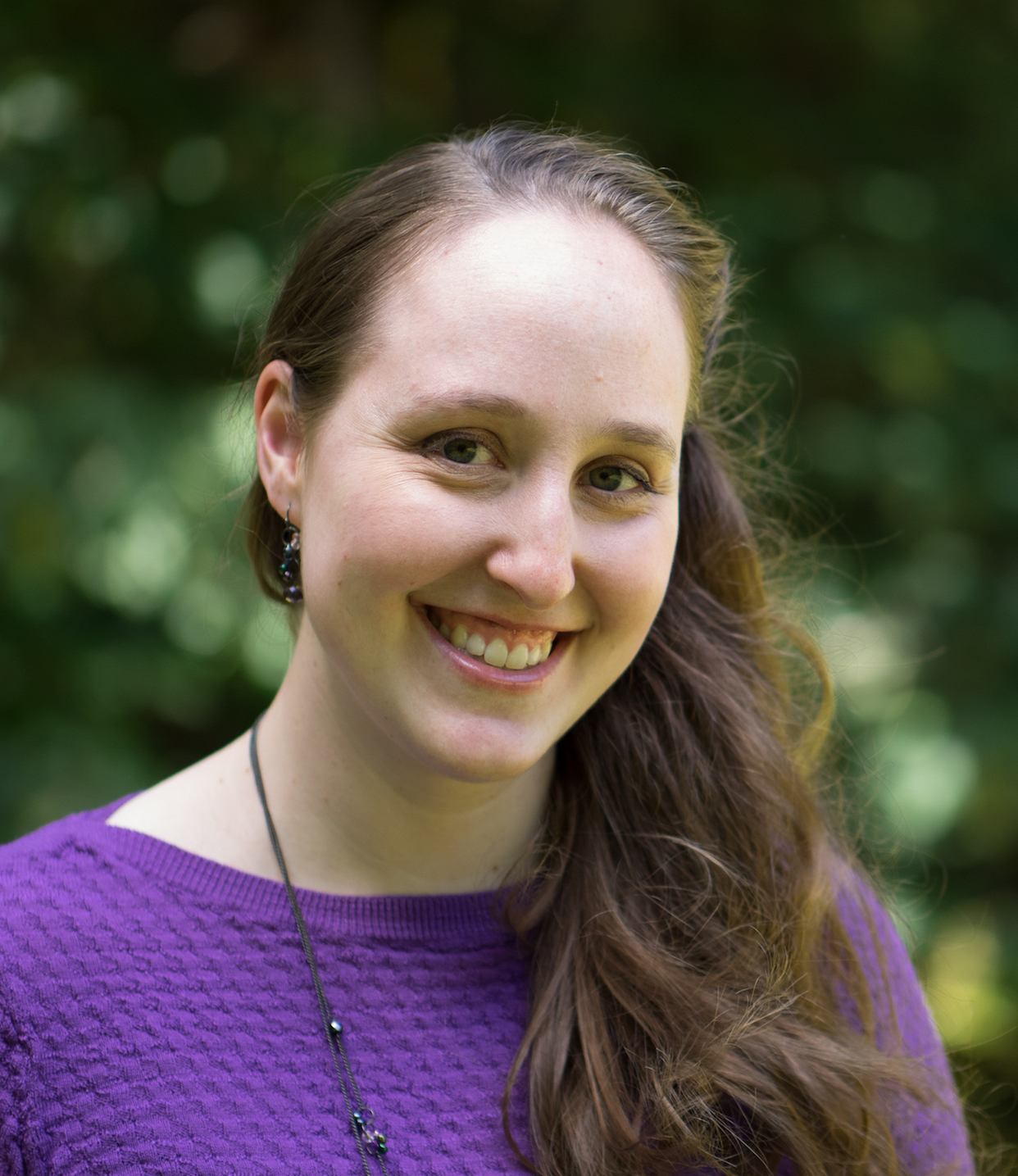
Kathryn Arnold writes fantasy and anything else that sparks her creativity from her home in Kingston, Washington. She currently earns her living as an insurance underwriting assistant, where she also creates marketing and web copy. When not writing, she plays (and teaches) piano and keyboard in a band (or two), and is working on starting a ministry team with her husband. You can find Kathryn at www.skyfirewords.com.