
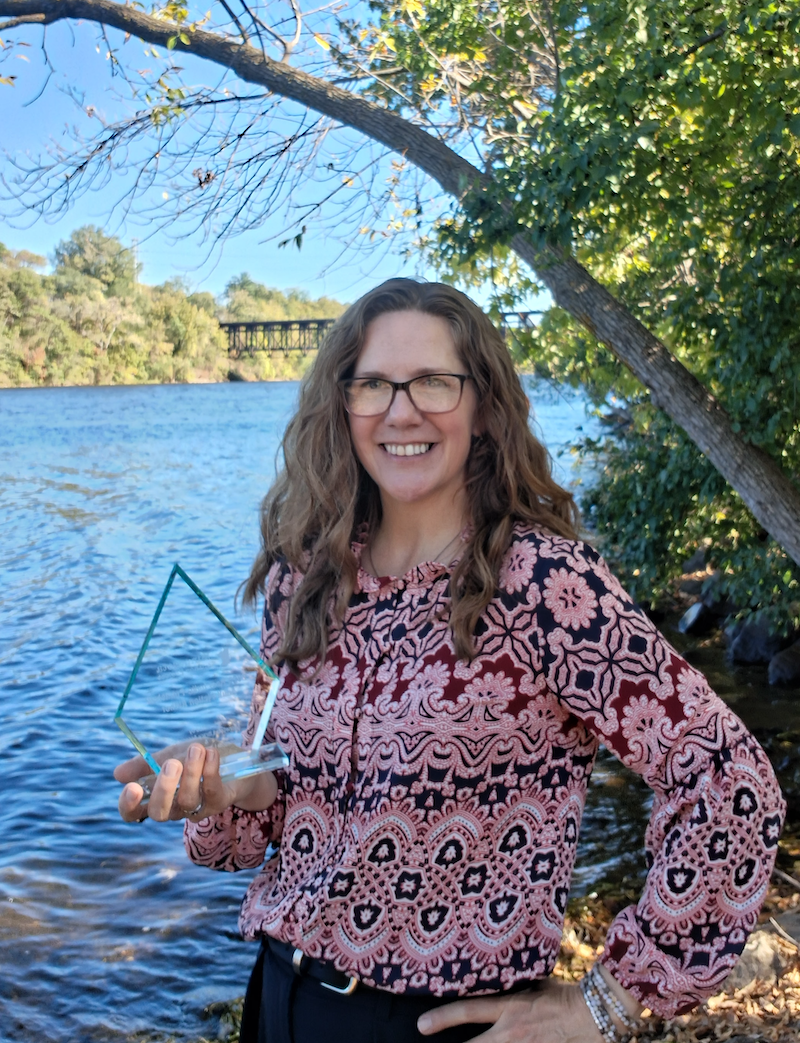
On October 10th, 2025, Alida was presented the Minnesota Author Project 2025 Adult Fiction Award at the Minnesota Library Association Conference in St. Cloud, Minnesota.
Librarians across the state voted for Murder in Skoghall, and Alida could not be more honored by, or proud of, this recognition.
With sincere thanks:
“Librarians serve readers with personal, unbiased recommendations, and this award means so much to me.
Before I was a writer, I was a reader. Libraries are a tremendous asset to every community. I can’t imagine life as a reader – let alone as a writer – without them.”
-Alida Winternheimer
- Find Alida at the Indie Author Training Webinars on January 28th here.
- Get Alida’s Word Essential Writing Workshops here.
- Be the first to know when The Novel Journey coaching group opens for enrollment here!
- Get Alida’s thoughts about writing, life, and the writing life while staying up to date with author and editor news here.
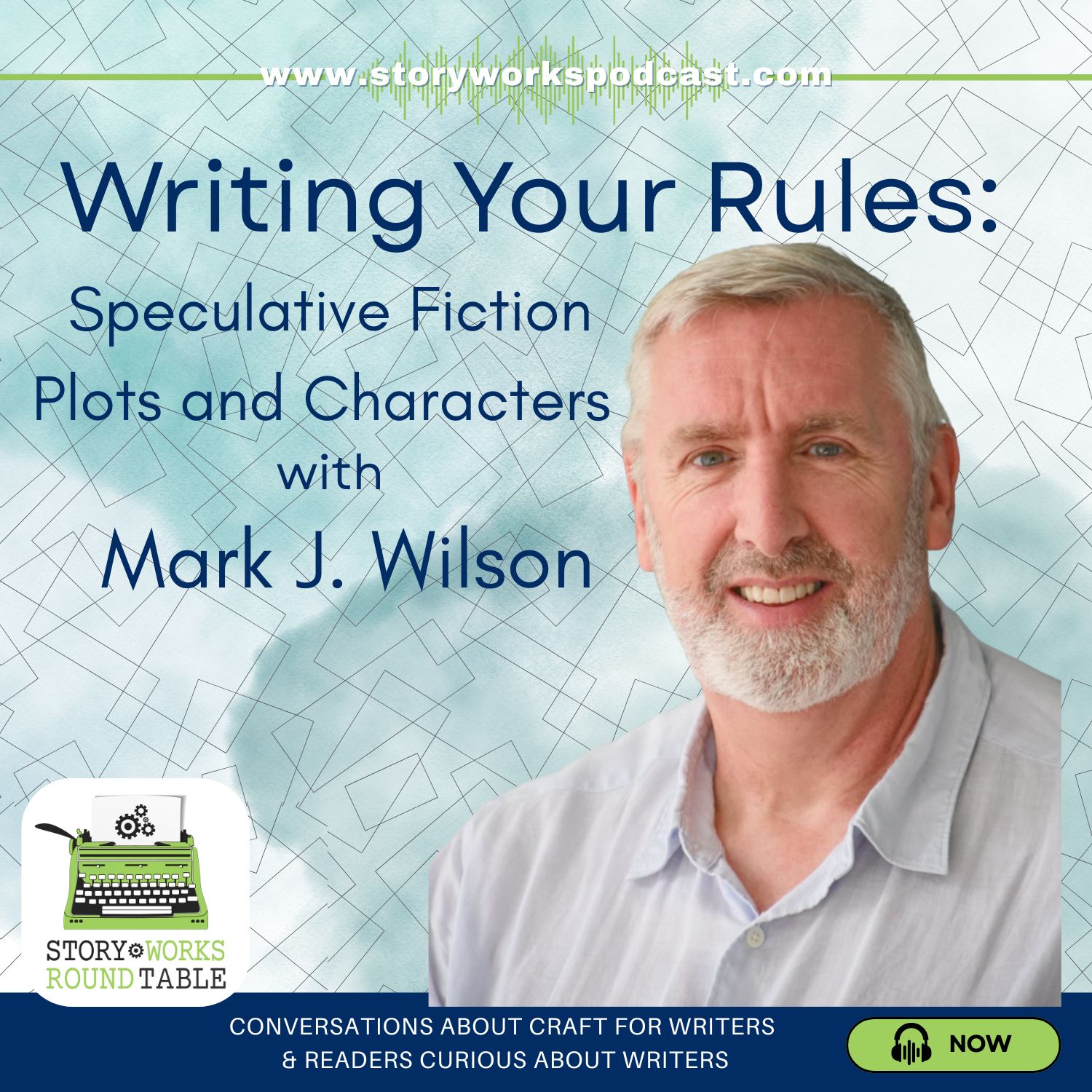
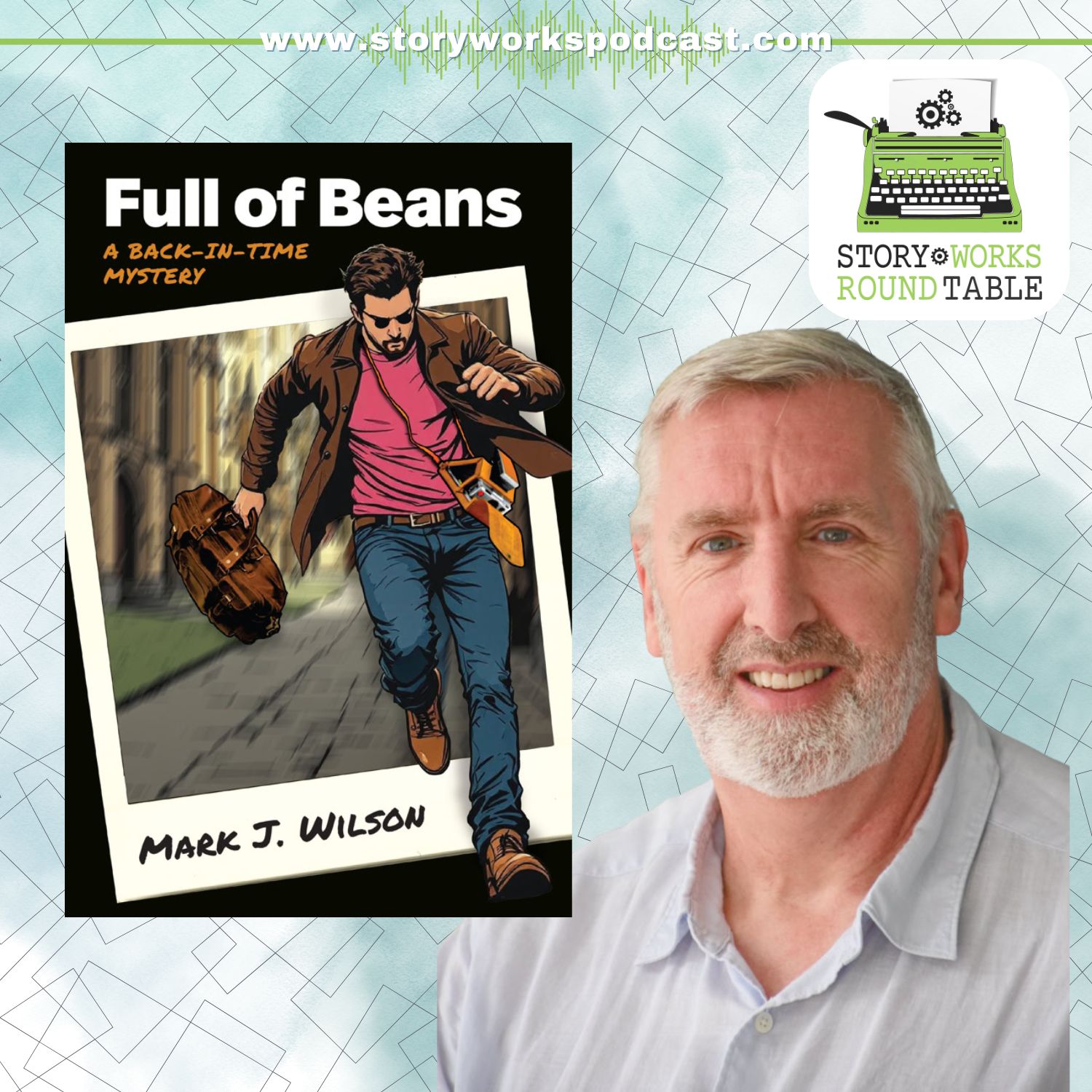
In this episode of Story Works Round Table, Alida Winternheimer and Kathryn Arnold are thrilled to welcome author Mark J. Wilson, whose journey from biochemistry to writing novels is as fascinating as his debut book, Full of Beans. Join us as we explore how Mark blends genres, from science fiction to mystery, and hear about his unique time-traveling detective, Phil Beans. Discover the creative process behind character development, the challenges of writing, and the unexpected joys of storytelling. Tune in for insights that will inspire writers and readers alike!
“If hindsight is 20/20, being able to go back in time is like X-ray vision.” – Mark J. Wilson
AUDIO
Mark Wilson was born in Reading, England, and educated at the University of Kent, in Canterbury, where he earned a PhD in biochemistry. When not writing, Wilson works in biopharmaceuticals, currently working in gene therapy, helping to develop a much-needed cure for Rett Syndrome. Not your average scientist, Wilson‘s curiosity extends well beyond science and into model trains, painting, music, astronomy, physics, chess, origami, Bonsai, hiking, kayaking, and marathon running — all of which adds to the richness of his writing. Wilson now resides in Washington D.C.
TRANSCRIPT
This transcript is AI generated. If you notice any inconsistencies or errors, blame the bot.
Alida Winternheimer: Hello and welcome to this week’s Story Works Round Table. Today, Kathryn and I are delighted to be joined by author Mark Wilson. Mark was born in Redding, England, and educated at the University of Kent in Canterbury, where He earned a PhD in biochemistry. The when not writing, Mark works in biopharmaceuticals. Currently working in gene therapy, helping to develop a much needed cure for Rett syndrome. Not your average scientist. Mark’s curiosity extends well beyond science and into model trains, painting, music, astronomy, physics, chess, origami, bonsai hiking, kayaking, and marathon running. It’s a good list. All of which adds to the richness of his writing. Welcome, Mark. We’re happy to have you here.
Mark Wilson: Thank you for having me. It’s great to be here.
Alida Winternheimer: Yeah. So I have to ask, what kind of kayaking do you do?
Mark Wilson: I bought an inflatable kayak. And, I haven’t done it for a while because I moved to D.C. and it’s not so easy to get out on the river here. But where I used to live in Maryland, there was a really, really nice lake not very far from where I lived, and I used go out on the lake every weekend when it was boating season.
Alida Winternheimer: But yeah, yeah, yeah, definitely. I’m a sea kayaker myself, but I live in Minnesota, so mostly like Superior. That’s my. My inland sea. Yeah. Yeah. So tell us, how did you go from gene therapy to, writing novels?
Mark Wilson: Well, I think When I was 15, I had my first idea for a book. it took me a very, very long time to get around to the idea that I, I would actually be able to write a book. It’s. When you’re a scientist, you used to, You know, it’s all data and graphs and materials and methods and you. It’s very factual, nothing, you know, descriptive. so I wasn’t altogether sure that, I’d be able to write, but, it’s always something that I had in my. In the back of my mind. And everything I do, all my m. Hobbies are all, there’s an element of creativity in them. you know, like anything from watercolor painting, writing music, you know, that kind of thing. There’s always a technical element as well. I think I’m happiest when both sides of my brain are going. But, yeah, I thought writing a book would be a fun thing to do. and I had the idea for. For this book probably about ten years ago. it was only three years ago that I actually started writing it.
Alida Winternheimer: Nice. Nice. So why don’t you give. We’re so. Okay, I forgot to say in the intro, we’re going to be talking about developing our characters today, but before we dive into our, our topic, why don’t you give us a bit of background about the story and its synopsis so that when you reference it, readers are, you know, kind of centered in what we’re talking about.
Mark Wilson: So the book is called Full of Beans. And, it’s about a time traveling private detective called Phil Beans, hence the title, Full of Beans. And, Phil can travel back in time using, Polaroid pictures that he’s taken. And if you remember, those old boxy cameras used to get where you took a picture and it would come out the front of the camera and then you would stand there and watch it develop in front of you. I, had the idea that I didn’t want to invent a new kind of time machine, you know, like, Back to the Future as its DeLorean, and Doctor who has his Tardis. And, you know, H.G. wells had the original time machine. I wanted something different, something that didn’t need. Wasn’t needed, you know, like a physical thing needed to actually make travel happen. so I had the idea that Phil would develop somewhere, just kind of appear slowly in the scene that he was going to. And then the idea for the Polaroid pictures just came to me that, you know, Phil would hold a picture of somewhere where he’d taken the picture, and then he would travel back in time to where and when that picture was taken. and once that idea came to me, then everything else just kind of fell into place. but Phil starts out at the beginning of the book. He’s helping a friend who works in the police to investigate the death of Phil’s old professor. So he goes back in time, hoping to find clues to figure out who might have killed his old professor. And when he gets there, he’s faced with a bit of a dilemma. So in the end, he prevents the death altogether. Then when he gets back to his own time, he figures out just what a mess he’s made of everything. And then, of course, he just gets in worse and worse trouble. His decision making never improves through the book, and he just makes a worse and worse mess of everything.
Mark Wilson: So that’s, that’s the basis of the book. And it’s supposed to be fun, it’s supposed to be full of humor. I think, you know, if you get my sense of humor, then you’ll probably enjoy the book. If you. My sense of humor’s not your thing, then? maybe not, but, Yeah, it’s supposed to be.
Kathryn Arnold: So many books. Yeah.
Mark Wilson: Yes.
Alida Winternheimer: Yeah.
Kathryn Arnold: Awesome.
Alida Winternheimer: Yeah, that is. Okay, before we talk about characters, do you. So you’re. You’re a scientist, like a hardcore scientist. And you mentioned H.G. wells and Doctor who and back to the Future. So we’ve got time travel here. Right. Sci fi, but then also a detective and crime and mystery. So what is your take on genres? Were you intentionally trying to cross and blend genres or were you just like the story I’m telling?
Mark Wilson: No, I was, because, I don’t know if you know, Douglas Adams, he wrote the Hitchhiker’s Guide to the Galaxy books, but he also wrote a couple of novels about, a private detective. and I love those books. They. I mean, they are brilliant. They are so clever. I mean, Douglas Adams was a genius. and I love the stories and he created such a good character. But, you know, so many other detective stories and things on the tv. I don’t think maybe Tintin made it over to America, but they were cartoons when I was a kid about, a young. A young guy who would run around. He wasn’t a police, you know, he wasn’t in the police, but he would run around solving, mysteries. And I loved those stories when I was a kid. So, yeah, the whole idea of detectives and spies and, you know, James Bond and all that kind of thing, it’s always fascinated me, really. So, yeah, it was, you know, two different genres that I don’t think I’ve really seen so much melded together. and I. I just kind of had the idea that I’d quite like to do that, and that would be quite good fun.
Alida Winternheimer: Yeah.
Mark Wilson: To actually have a private detective that could go back in time. Because, you know, it’s like it says on the back of the book, if hindsight is 20 20, being able to go back in time is like X ray vision. So, you know, it’s like, it’s foolproof for a detective, right, to go back in time. So why wouldn’t you? And then, you know, Phil finds out why.
Alida Winternheimer: Yeah, yeah.
Kathryn Arnold: Can I. Can I jump us into character development here while talking about this exact thing? Yeah.
Alida Winternheimer: But can I just say, I love Tintin? When I was a kid, my best friend had moved here from Switzerland, and so she introduced me to Tintin. So I. I had several Tintin books and read them and love Tintin. So go Tintin. Stroopy. I’ll do my horrible Swiss accent right there. You Go.
Mark Wilson: The little white dog, Snowy, we called him in England. Snowy.
Alida Winternheimer: Yes. Yeah, See, my first Swiss friend, gave me that introduction, so, yeah, I totally forgot it was Snowy. All right, total aside, Catherine.
Kathryn Arnold: No, you’re good, you’re good. So, okay, so you’re developing a private detective who can go back in time and just that ability to see your ability to rework time changes the way that you develop that character. I love in the very beginning how he talks about how he always has time because he can go back and. Yeah, and it changes him. Right. He presents at the beginning very much as he’s kind of lazy and lackadaisical because he’s like, whatever, I’ll just go back and fix it later. So can you talk about how the idea of this time travel affected his development as a character?
Mark Wilson: so I think I, I like the idea that he would start out at the beginning of the book kind of lazy and a little bit complacent because, you know, he, he earns money not doing very much, and he indulges his hobbies and he kind of lives a life that I would like to live when I’m retired. But I like the idea that going back in time and getting into trouble would teach him to be different, would make him develop as a person and work out what’s important rather than, you know, just sitting at home playing chess with his computer. you know, I kind of like the idea that he would, first of all, get a love interest, and second of all, you know, really have to try and figure things out and, and get invested in things. you know, start caring a little bit more about the world around him.
Kathryn Arnold: Yeah, he’s kind of using time travel as a get out of jail free card.
Mark Wilson: He is, yeah. But I like the idea that ultimately it should teach him more than, you know, just how to get the easy way of doing things.
Alida Winternheimer: So when you were developing your character, were you doing your character development alongside the plot development? So you were thinking, okay, this has to happen plot wise and it’s going to shape his character arc in this way. Or did you.
Mark Wilson: I think the plot came first.
Mark Wilson: And then I tried to work out how that would change Phil and how his character would develop, how he would react to the situations that he was in. Try and imagine, his, you know, a kind of authentic reaction to that once I developed who he was. so, yeah, it was kind of complicated and there was a lot of interplay between the two, I think. But I think the plot came first because you know, being a scientist, I had to figure, out exactly what’s going to happen and when before I started worrying about anything else.
Alida Winternheimer: M. Yeah. Tell us more about that process, kind of the, the mechanical process of developing your, your plot and developing your character. And walk us through that a bit.
Mark Wilson: So, the first idea I had for the book was how Phil goes back in time and messes things up. That was the core to begin with. And then I built the rest of the plot around that. And I had. Being a scientist, I had an enormous graph pad. It was a piece of. A pad of graph paper that was 22 inches wide and 17 inches high. So it’s huge, fills the coffee table. And I just started in the top left corner, you know, where the book starts. What’s next? You go down the page because things are happening, and then you move over when Phil travels in time, and then the next is when he comes back to his current time and you plot out what’s going to happen. And then the next page, I tore that page off, put that to one side, and then started working out, well, how does it work chapter by chapter? What’s the sequence of events that the book would actually have? Because the sequence in the book isn’t the same as, chronological sequence. so it was trying to mix that up and make it so that you could always follow what was happening so that you never got lost in time. You always knew where you were and why you were there or why Phil was there. and that was a really important element, I think, because so many times you see a, time travel movie and you just get lost and you think, yeah, I don’t know what I’m doing now. What’s going on? I mean, some movies that play with time are meant to be like that. They meant to confuse you. I don’t know if you ever seen Memento.
Alida Winternheimer: Oh, yeah, classic.
Mark Wilson: I watched that every time and I thought, I don’t know what’s going on. And that’s the point of the movie. But I didn’t want it to be like that. I didn’t want it to be confusing. I wanted it to be intriguing. But I wanted you to always know where Phil was and why he was there. So, yeah, that big sheet of graph paper helped plan all that out. And then everything else kind of got add on to that.
Kathryn Arnold: I’m m going to deviate from the, the character discussion to talk about this keeping us in time thing. One thing that I’ve noticed is, you know, you use kind of like the car or his ability to enter or exit his apartment to kind of clue us in as to his present person versus his past person versus. And I love that you reference things that he’s done, you know, by using that car. Is the car available today, Is the apartment, or am I in the apartment today? You know, things like that. What sort of other tools did you use to kind of keep the reader in the right time?
Mark Wilson: there were little references to, you know, Phil going to his mom’s for lunch on Sunday. So that was a kind of a, ah, vehicle to help Phil know where his other self would be. And then on bonfire night as well. That’s a key, point at the beginning of the novel where Phil knows where he would be, where his mom would be, and that he thought, that’s safe. I can be out and about that night because I know where everybody was. So, you know, when he thinks about going out, you know, he knows that he can be somewhere else. so, yeah, there were. There were little things like that where you anchor an event and helps. It helps then to. For. For you to know. For Phil to know that he was actually safe to not be seen out. Because obviously nobody else knows that he can time travel. And it’s obviously a really important part for Phil to be in the past and not encounter people that would work out what’s going on. So, he’s always with people that don’t think anything of, you know, him dropping in. Like the. The lady that runs the bed and breakfast that he stays at. You know, he just drops in and gives her some ridiculous excuses to why he needs to stay over. And she doesn’t question it. You know, she just says, oh, come in, come in. so, yeah, there was all sorts of little things like that that you know where Phil is and you know where he isn’t, if that makes sense. Kind of helps to. It helps for you to know when Phil’s safe and then kind of maybe lulls you into a little false sense of security because then, you know, the mess he makes kind of sneaks up on him. He’s. He’s planning so much, but then he doesn’t see what’s coming. M. So it’s kind of an interesting juxtaposition, I think, the fact that he can be planning and he’s. He’s obviously very bright and he’s very, you know, clever and thinking things through, but then his decision making isn’t. Isn’t very sound.
Alida Winternheimer: Yeah. So, okay, I want to stay on this for. For a Little bit. in the very beginning of the book, Phil establishes for the reader that it doesn’t matter if he bumps into himself. Like it’s not gonna, you know, blow up the space time continuum. It’s just really disconcerting. It kind of freaks him out. So he avoids.
Mark Wilson: I thought that was kind of funny happening. It’s like you kind of expect a paradox to destroy the universe, but, you know, in the end, Phil bumps into himself. It’s just really awkward.
Alida Winternheimer: Yeah, that’s a great line. So him not being able to or not wanting to bump into people who shouldn’t bump into him when he time travels, is that really about his work as a detective and not sort of screwing up the, the, you know, clandestine activity of using time travel to, you know, solve cases for clients?
Mark Wilson: It’s a little bit of everything. I think he doesn’t want the disruption for what he’s up to at the time. But he also doesn’t want his secret to come out because he obviously made a decision a long time ago that no one would believe him. So he’s not going to tell anyone. You know, it’s kind of thing he might get locked up somewhere in a straitjacket.
Alida Winternheimer: True. Yeah. Yeah. I think, when we write in these genres, like I’ve got some murder mysteries or crime thrillers that have ghosts and Catherine writes in fantasy and you’ve got time travel with mystery as well. And so one of the things we all have to do, the mental work we do of building our stories is devising our rules. You know, what can happen in this world and what can’t happen and why and how do I maintain, maintain continuity? And then what if I want this thing to happen down the road in the story, but the rule prevents it? How do I make that thing happen? So I’m curious about your experience plotting and shaping this character as you go, while also doing this genre crossing story where you’ve got to make your time travel rules and decide what’s allowed and what isn’t and why?
Mark Wilson: Yeah, I think with the time travel rules, it was relatively, simple. I think it was. You know, Phil can go back to anywhere that he’s taken a Polaroid picture. He goes back to that time and place. the element of jeopardy in doing that comes from the fact that he can’t spend very long in the past without getting stuck there. he also has to take with him a photograph of when he leaves so that he can get back to the right timeline, to the right place in time. so there’s obviously an element of jeopardy involved in that. and then there’s also the fact that he can only use a picture once. He’s tried it before and you try and use the same picture twice, it doesn’t work. so there’s a few little rules like that, that kind of limit his ability because you know, if you get, if you make him all powerful, then you know, it’s, it’s too easy in a way.
Alida Winternheimer: right.
Mark Wilson: But yeah, he’s. And you know, I don’t want to give much away but you know, obviously there’s a, there’s a reason why, you know, I made the rule, that he can’t spend too long in the past because obviously that when he’s in the past and he’s doing things and he gets waylaid and things take longer than expected, you know, then of course he’s, he’s starting to jeopardize his own future.
Kathryn Arnold: Yeah, well, and you put it on a sliding scale too. Right. So the further back in the past he is.
Mark Wilson: Yes.
Kathryn Arnold: The less time he has to spend. And I imagine that he figured that out backstory wise by trial and error.
Mark Wilson: Yes. And that backstory was in a very early draft and I was told when I got the novel critique that yeah, that’s tmi. People don’t need to know this much about how the time travel works. But yeah, it’s summarized quite neatly in the, in that, you know, I feel can go and spend a week maybe in the recent past, but maybe only a few hours in the, in the distant past, say 10 years ago or whatever. so yeah, explaining that is, is probably more than anybody needs to know.
Kathryn Arnold: So maybe for the reader, but not for you because it complicates his journey and.
Mark Wilson: Right. Yeah, that was the point that the person that gave me that critique made. He said, yeah, you need to know and it’s good that you know, but you’ve got to work out what the reader really cares about. Not just because you want to tell everybody.
Alida Winternheimer: Yeah. Were there any. Did you make up all of the rules in your pre writing stage and kind of lock them in or did you discover them as you went along drafting and then had to kind of go and revise for these rules that you were creating along the way?
Mark Wilson: Well, actually the. But I’m going to own up to the idea that going further back in the past makes life difficult for him, that he can’t spend long further back in the past and that puts him in jeopardy. That wasn’t actually my idea, that was one of the people that I got to critique the book and they said, we need another element of jeopardy here. There’s got to be. Because it’s time travel, the jeopardy ought to be to do with time. So, so figure that out. So you know, that, that was a, you know, enough of a, a hint as to what I needed to do to help me figure out. Oh, I, I know I can do. So that got layered on top, in fact. And that did influence a rewrite at the end of the book.
Mark Wilson: I mean, the book went through four different rewrites.
Alida Winternheimer: That’s nothing.
Mark Wilson: Yeah.
Alida Winternheimer: Or come on, that’s the minimum.
Mark Wilson: Maybe they were pretty big and some of them were painful. Certainly, they were painful. You know, when somebody puts a note in the margin and says, this chapter does nothing, it doesn’t move the story forward, you need to delete it. And you think, oh, but I love that chapter. I love those characters. And then you just have to let go. You can’t be too proud and you can’t be too, too emotional about it.
Alida Winternheimer: Yeah, yeah. So you started writing three years ago, you said?
Mark Wilson: Yes, I started writing in January 2023, when the book is set. I. Well, I got the graph paper out, at the end of 2022, and I’ve been plotting out the plot for a while, but, yeah, I actually physically sat down at my MacBook and started typing in January 2023.
Alida Winternheimer: Yeah. So was it fun?
Mark Wilson: It was, yeah. The best bit really was the characters, you know, creating people, you know, because when I wrote the book, I didn’t plan to get it published. I was just doing it for fun, just to see if I could. And I just decided to be a little bit silly with it, you know, create some wacky, quirky characters and, you know, make them be, make them have relationships with each other that I wouldn’t necessarily ever think of. You know, the way Phil and Havarti are together, that, that’s quite different to who I am. I couldn’t be that rude to somebody no matter how well I knew them, you know, but those two, they are, they just, rag on each other. and it was just really good fun just being able to let loose with that kind of thing. you know, and creating characters like the Groundsman Arby Scrump or Professor Wig Twizzle, you know, you could just really have fun with them. And to some extent they, they are caricatures a little bit. But, but that’s, that’s part of the fun. I think that kind of makes them a little bit quirky and a little bit silly.
Alida Winternheimer: Yeah, I think that comes through. I think the, the fun of it really comes through. And all of the interesting kind of odd names that you, that you give your characters.
Mark Wilson: Yeah. I can’t claim they’re all original. My daughter bought me a map of Britain with all the silly place names and Wig Twizzle and Sheep Shuffle, believe it or not, are, places in England.
Alida Winternheimer: That’s awesome.
Mark Wilson: So I just studied this map for days. It was just a fantastic present because, I mean, she just knew that I would love that. and I was studying this map and I just thought, oh, there’s some choice names in here. I’ve got to steal some of these. So, yeah, it was, that was really good fun picking the names to start with and then trying to decide, well, what’s that person like? You know, if he’s got such a wacky name, you know, you’re gonna be with me.
Kathryn Arnold: Okay, so you’ve used your massive graph paper for your plot and for your chapters. Did you use it for your characters? do you have massive M posters of characters everywhere too?
Alida Winternheimer: I’m just picturing.
Mark Wilson: No. For some reason, the notes app, in my phone was what I used for the characters, because ideas for that would come to me at random moments, and I’d have just a little bit of dialogue in my head. I would think of something funny that would suit a certain character and, you know, I’m. I’m getting old. I can’t, you know, by the time I’ve driven home, I’ve forgotten completely. So, you know, I have to, you know, you know, wherever it is I am, I’ve got to make that note before I get in the car to drive home, because it would have gone by the time I get home. So, you know, it’s a question of getting my phone out, which is, my phone’s always with me. So, you know, get the notes out, and just type in quickly what the idea was before I forget it. Because it’s like, sometimes ideas come to you and it’s like water on the pavement. You know, it just evaporates really quickly and then it’s like, oh, what was that? You know, so you’ve really, really got to do that. So the things that came to me about characters just randomly, had to be written down there and then. So that was the, that was the way I did that mostly.
Alida Winternheimer: Other than that, did you have a strategy for developing characters or shaping their arcs and relationships with, Phil Beans through the story.
Mark Wilson: I think Holly is the other character that. That has something of a. Of an arc, and I think that might be a little bit more that we learn more about who she is and, what she wants in life than necessarily that she changes. Because obviously, she’s. We only really see her in. In small chunks of time. You know, we see her in the November before, and then we see her in the January when, you know, Phil’s real timeline is. so we don’t see her for a long length of time. so it’s very difficult to develop to see her arc happen. It’s more that you just have to, get to know her better through the story. Because Phil’s the only one who really lives, a, series of events. You know, everyone else is kind of local in time to a few days at a time, so it’s very difficult to. To give them very much of an arc. So that was a little bit of a struggle. But, Yeah.
Alida Winternheimer: Yeah. So given that the supporting characters are kind of locked into these moments in time, how do they affect Phil and his arc? Or do you really lean into the plot shaping his character arc?
Mark Wilson: I think, really it’s leaning into the plot. But the way Phil deals with people does change through the book a little bit. you know, the way he might, say, for example, the porter at the college. you know, it’s, Those are fun moments because the, you know, the porter’s very dry and, you know, the way Phil deals with the situation each time he has to encounter the Porter, kind of evolves a little bit with. With Phil. And also, I guess, the way he is with some of the different characters does kind of. It doesn’t change a lot, but you can see little clues as to how Phil is different. As you go through the book.
Alida Winternheimer: Can.
Kathryn Arnold: You give us a little glimpse of, like, starting Phil, ending Phil, where you wanted to build that change?
Mark Wilson: so starting Phil, really, he’s a little bit lazy. He’s a little bit complacent. the only thing he has to worry about is when his bank account runs out and he has to go find a divorce case to work on. you know, that. That’s Phil at the beginning. and then at the end, he cares so much more about the cases that he was asked to help with. You know, he’s got invested in things. He’s, proven to himself that he can do something that, it’s not just a Question of, You know, because at the start there’s a little bit of, There’s a moment where Phil’s kind of telling himself it’s not because he’s lazy, it’s not because he’s afraid to fail. But really, you know, if he’s honest with himself and through the book, he kind of overcomes that. And he, he gets to a point at the end of the book where he has proved to himself that he can tackle some of these things and, and get invol and care and fix, things.
Alida Winternheimer: So, this is the first book in a series, right?
Mark Wilson: Yeah.
Alida Winternheimer: Yeah. So, what is your plan for the series? Are they going to be standalone mysteries and will Bill have a character arc? will he continue to evolve over the course of the series, or is this evolution going to kind of fix his character so he can go solve mystery after mystery?
Mark Wilson: I don’t see Phil stopping because I don’t think he really got to where he needs to get during the first book. He improved some and he started on his journey, but I don’t think he’s finished developing. but I think for the, the next book, I think we will see a lot more of the supporting characters as well. I think we might see more of an arc for some of them. it would be less focused on Phil. Phil’s obviously going to be the central character, but there’ll be less focus on Phil doing everything and other characters will be more involved in. In what’s going on. I think it was probably important for the first book for Phil to be the focus and for people to really get to know Phil.
Alida Winternheimer: Right.
Mark Wilson: I think in the. When you know the second book will be standalone, you can read that on its own. But maybe you won’t necessarily care so much about Phil if you haven’t read the first one already. But yeah, hopefully, you know, he’ll still be the same. The same character that you can get to care about. But, yeah, I’m hoping that they will be standalone mysteries.
Alida Winternheimer: Nice. Nice. So what was your greatest challenge? Writing this book or working with Phil Beans?
Mark Wilson: I think my biggest challenge came when I actually decided that I was going to publish it. because up until that point it had just been something fun to do and then suddenly it shifted into, oh, now we’re going to start taking this seriously. so I had already got a couple of people to read it. Somebody at work, had told me that she laughed out loud in a few places and then she’d only Gotten, you know, a third of the way through the book, and she said she was really enjoying it. My, daughter told me at one point when Phil had made a mess of things, that was probably about halfway through the book. In the draft that she read, she said she stayed up all night to finish it. And I thought, well, that tells me something, because she used to stay up at night to read Harry Potter books when they came out when she was a teenager. so if, you know, she was that invested, I thought, well, yeah, maybe I ought to send this to somebody professional to tell me if it’s worth pursuing. And then when I got their feedback, you know, there was a lot.
Kathryn Arnold: Yeah.
Mark Wilson: There wasn’t a single page without. Read all over it. you know, this chapter doesn’t do anything. You can’t put backstory in at the beginning. You’ve got to reorder this. You’ve got to make action happen. At the start, you know, it was a complete rewrite. But when we had the zoom call and I said, this is a lot of work to put into, you know, redo this story. Do you really think it’s worth it? And he said, oh, yes. Yeah. You’ve got to do something with this. It’s clever and it’s funny, and I love the way you write. You’ve got to do something with this. And I was m. Like, oh, wow, that’s great. So, yeah. and at that point, it got a little bit scary. It was like, other people are going to read this, you know. Right. That was. That was the moment. Really.
Alida Winternheimer: Yeah. Exciting. Scary, though.
Mark Wilson: Yeah.
Alida Winternheimer: Yeah. So how did you handle that challenge? I mean, obviously, you got to roll up your sleeves and dive in, but for you personally, you know, what was it like to tackle those revisions and prepare it?
Mark Wilson: Yeah, I think the hardest bit is letting go of your pride and m. Letting go of your emotional investment in what you’ve already done. and just saying, okay, this is what I’m gonna do. This. And then you just start. you know, you keep an old draft just in case you delete something. You think, oh, I needed that. So you. You start a new draft, and you start deleting things out. You start moving things around, and you read it a dozen times to see if it still flows. you know, it. It really is emotionally draining, to have to destroy something and build it back up again. and that I think I found really hard because I thought I’d done a great job with that. I didn’t. I don’t. It’s not Shakespeare. but, you know, I thought, you know, this is, this was, you know, the story I wanted to tell and then to be told that this isn’t the story everybody wants to read, you need to change was. It was hard, you know, emotionally letting go of it and not being too attached and too proud and just saying, right, if this chapter doesn’t work, I press the delete button.
Alida Winternheimer: Right? Yeah, yeah. I really appreciate that you said that. You know, that piece about it being emotionally draining. I think when you’ve been writing for a while or, you know, since you were young, and you’ve gone through the training and the whatever and you hear kill your darlings a million times and all that stuff, you can kind of take it for granted that that is the process. But it’s nice to recognize that just because that’s the process and we’re used to it doesn’t mean it’s easy. Right? It’s draining. And you do put a lot into every single draft. And even if you can recognize as you’re writing it that it’s going to be revised, it’s still the work, it’s still the effort, it’s still the investment that we all make.
Mark Wilson: I think the important thing there was to keep in mind that what I end up with will be better. That tearing this down and redoing things will make it better. And just keeping that belief made it worth the pain.
Alida Winternheimer: M. Yeah, absolutely. is there anything we haven’t touched on that you want to share about the story or your writing process?
Mark Wilson: well, I think the only, the only other aspect to it really is making sure that for me at least, being a new writer and especially moving from scientific writing into something far more creative is really to get other people’s perspectives. I think that was really important for me. and I got, three different people to critique the book. and each time I think the changes got smaller. There were four different rewrites, like I mentioned before. Each time the changes got smaller. and the, you know, the work involved in doing the rewrite got less. And when the last person read it, you know, you pay someone to read your book, they read your book, and then you do the zoom. M call. And, Joe, who’s now my publicist, said, you’re going to be mad at me because I don’t have much to say. The less you have to say, the happier I am.
Alida Winternheimer: Yeah.
Mark Wilson: So he said, okay, good. Well, in, in that case. And then he gave me a few ideas for, you know, things that I Probably needed to, to tweak. perhaps, particularly at the beginning of the book, he had a very different perspective from anyone else that had seen the book. you know, he came at it much more from the publisher’s side, much more from the, the reader’s side rather than the author side or the technical side. you know, he was very much. Yeah, if you’re going to pitch this book, you know, people are going to read the first few pages. So you know, he came at it from a completely different, different direction. But and then you know, Joe is who put me in touch with a publisher, so.
Alida Winternheimer: Oh, nice.
Mark Wilson: So that, that was really, you know, really good. But yeah, it’s really important to get certainly for me anyway, you know, not, not being a. I think for everyone.
Alida Winternheimer: Well yes, no, for everyone. I think that is advice every writer should take to heart.
Kathryn Arnold: And you know, like you said, different opinions, you know, you said. Yeah, he came from it from a different angle. You need those different angles in order to get a true picture of what it is that you’ve written. So.
Alida Winternheimer: Yeah, Yeah. Yeah. And I love that you invested not only in a developmental edit, but in taking it to three different people. So you got different sets of eyes, different perspective lenses on this work and yeah, I think that’s fantastic. When is Full of Beans going to be available for readers?
Mark Wilson: It already is.
Alida Winternheimer: Is it? Okay, we got the uncorrected proof, so.
Mark Wilson: I thought you did.
Alida Winternheimer: Okay.
Mark Wilson: Yeah, so it went up on Amazon on September 17th. so it’s available on Kindle, paperback and hardback. it’s on Kindle Unlimited as well.
Alida Winternheimer: Excellent. Right, well where can listeners find you?
Mark Wilson: they can find me on markjwilson.com. I’m on Instagram, Facebook and I’m on substack. and that would be Mark J. Wilson, author. You should be able to find me. my, my website has all those links as well to my socials, but there’s also a few fun links in there. you might, might have a little bit of fun clicking around. You know Westgate College has its own website. A vegan cafe has its own website and the pub, the Ferkin Folly has its own website as well. So there’s, there’s a little bits of fun to, to find if you go on my markjwilson.com Very cool. you can get the first chapter of the book for free. and there’s also a page with talking points that might be useful for book clubs as well.
Alida Winternheimer: well, thank you so much for joining us today. This has been such a treat.
Mark Wilson: Thank you very much for having me. It’s good to meet you.
About Your Hosts
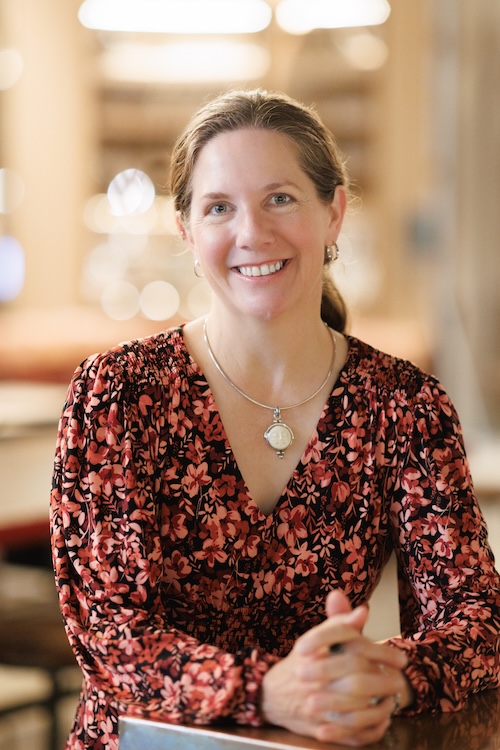
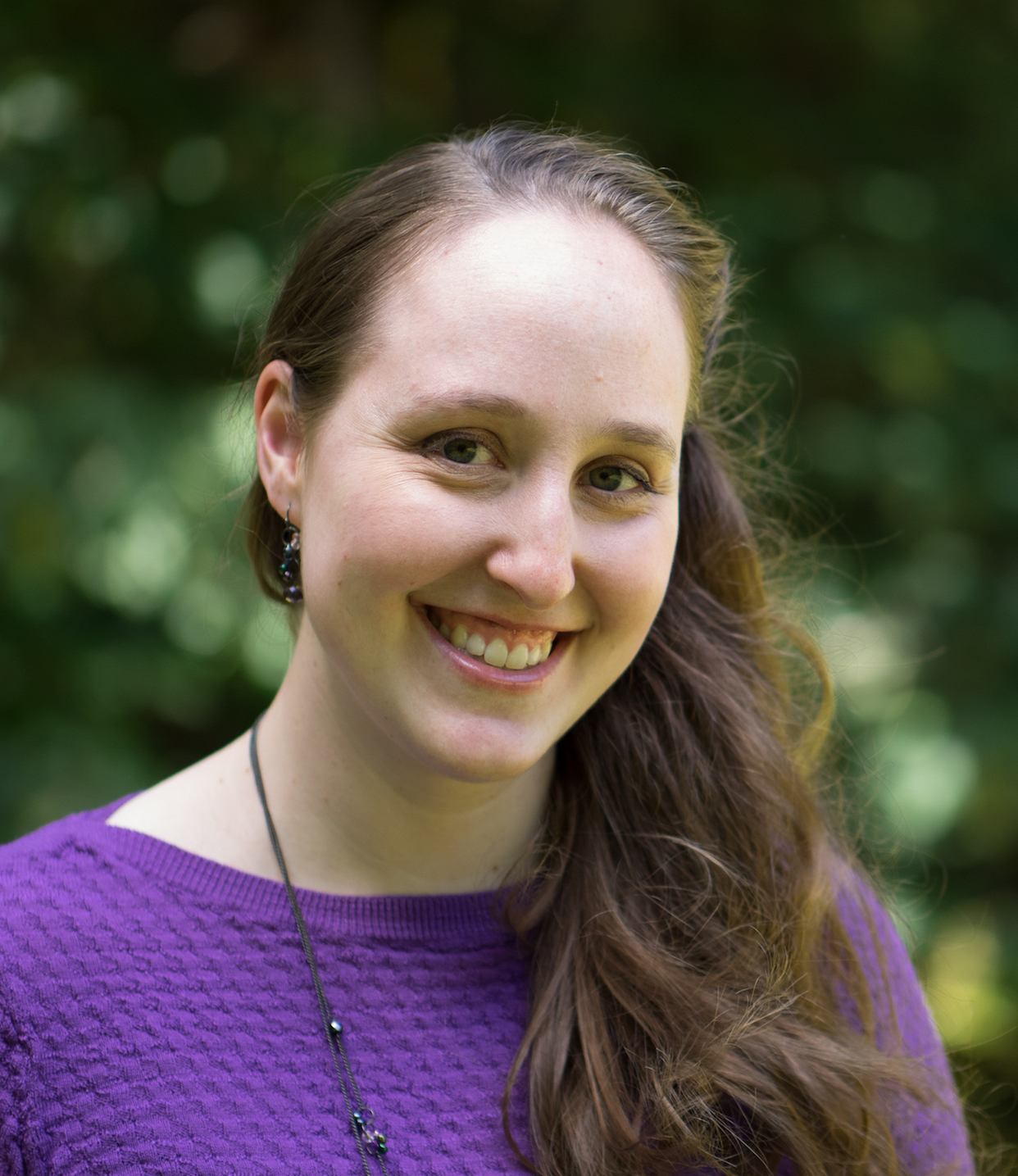
Kathryn Arnold writes fantasy and anything else that sparks her creativity from her home in Kingston, Washington. She currently earns her living as an insurance underwriting assistant, where she also creates marketing and web copy. When not writing, she plays (and teaches) piano and keyboard in a band (or two), and is working on starting a ministry team with her husband. You can find Kathryn at www.skyfirewords.com.