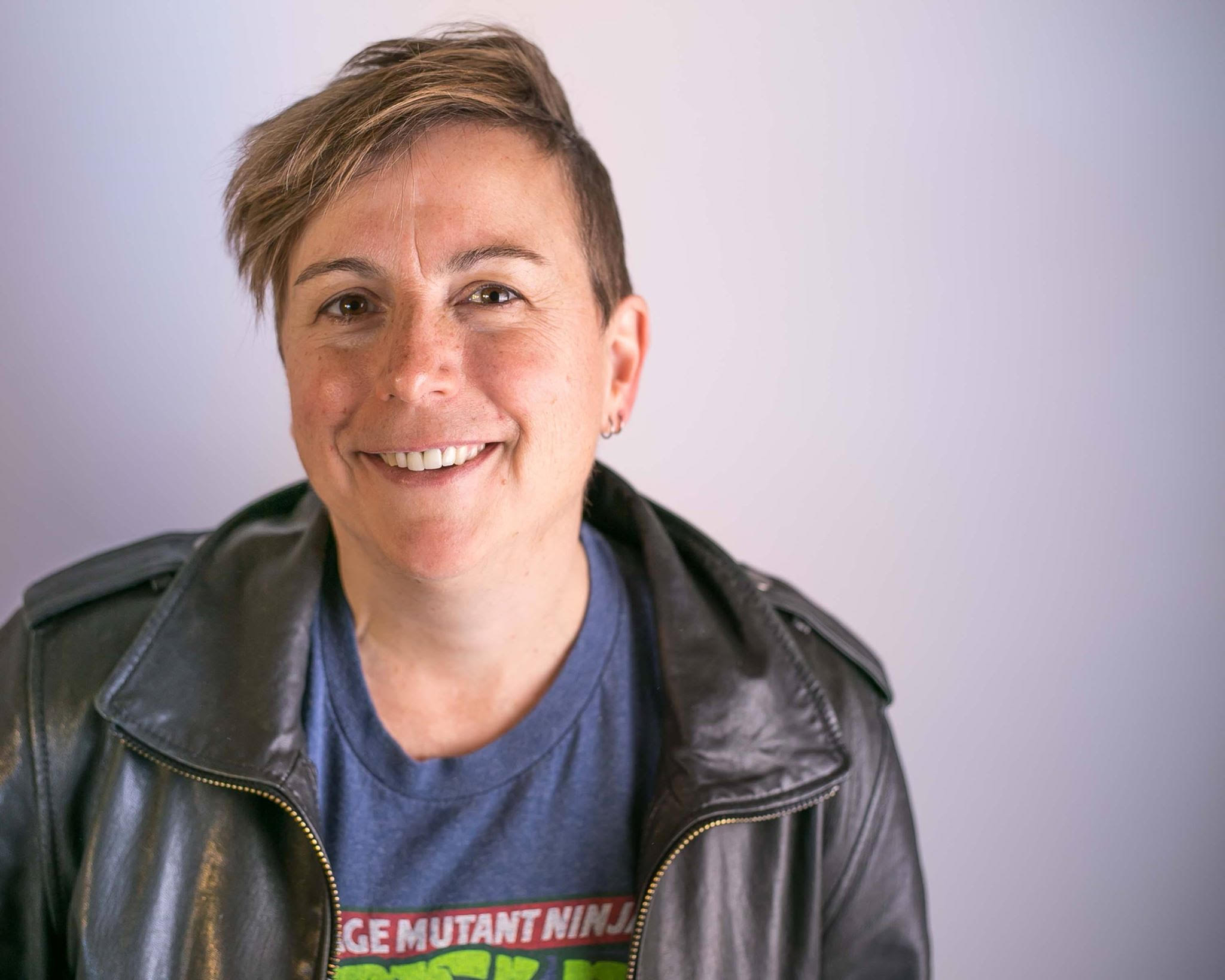
Why did Molly choose to write a memoir? When and how did her writing journey evolve from oral storytelling to MFA, to memoir? How do you turn your family into characters? And how important is it that they stay well rounded? We dive into antagonists, aliases, and the tricky line to walk when using your real life in your writing.

Show, don’t tell! Don’t think, feel, and wonder your way through a manuscript. Dig deep! Use that narrative exposition. Use your dialogue and action sequences. Write visually. Never use adverbs. Use the right word choice. Make your writing strong and not weak. Don’t use to be! Don’t use said! We tackle some of the most commonly touted writing rules and how they should actually apply rather than some of their more misunderstood applications.
How do you come up with material for oral stories? How do you keep it under five minutes? How important is the hook? Or the ending? And how do you craft humor into your stories?
What is oral storytelling? And how does one craft a story for oral presentation? Molly McCloy takes us through her process, how she got into oral storytelling in the first place, and how she uses humor to keep her audience engaged. This is part one of our conversation, make sure to come back next week to check out part two, where we dive even deeper into the craft of oral storytelling.
How are we all doing when it comes to the ever-evolving world situation? We chat about our productivity, whether or not we feel we should be speaking into these situations, and how we are handling our inputs versus outputs. In the end, we all agree to just keep writing!