Characterization is more than introducing a character. The sharpest and subtlest of details can reveal a whole person to a reader.

Characterization is more than introducing a character. The sharpest and subtlest of details can reveal a whole person to a reader.
We discuss story craft in Junot Diaz’s short story “Fiesta, 1980” at this week’s writers book club on the Story Works Round Table podcast.

What are stakes? And how does your characters agency interact with them? How do you make your stakes personal and individual for your character? And how can you use your stakes to evaluate your plot structure? How should the stakes change through the story? And how do the stakes affect your characters actions? Remember, your characters agency must be the thing that drives your story forward!
Why is killing characters important? How should we approach killing characters? And what are the reasons for doing it? How can it affect your story and your protagonist’s journey? What genres rely on killing characters? And how should you approach killing “extras” in your book? Even nameless characters can have a huge impact – so use your tools wisely!
What is pacing? How do you decide the best pace for your story? And how do you achieve that pace? What kind of effect can pacing have for your readers? And why is pacing so different between books and movies? Check out the things we’ve mentioned section to check out those books we talked about – those we loved and even those we didn’t.
How should you use layers of emotion? And at what point in the writing process should you focus on getting them on the page? How should your character express their emotions and when can you tell if you are throttling them? Remember that not everything has to be big to be powerful and that each emotional moment for your character will have an emotional tail.
What is the purpose of your ending? How do you create space for the reader to really feel the emotional impact of your story? And when should you plan how you are going to tie up those plot points and emotional questions you opened at the beginning of your story? How...
Why do you want to evoke emotions in your reader? And what are some nuts and bolts ways to make that happen? Remember to stick to the basics, to structure your emotional payoffs, and that even emotions deserve an arc. We talk about how to handle this with tension and release, your character’s arc, and offsetting it from your physical climaxes. Don’t stray into melodrama, and keep that emotional pull all the way to the end of your novel!
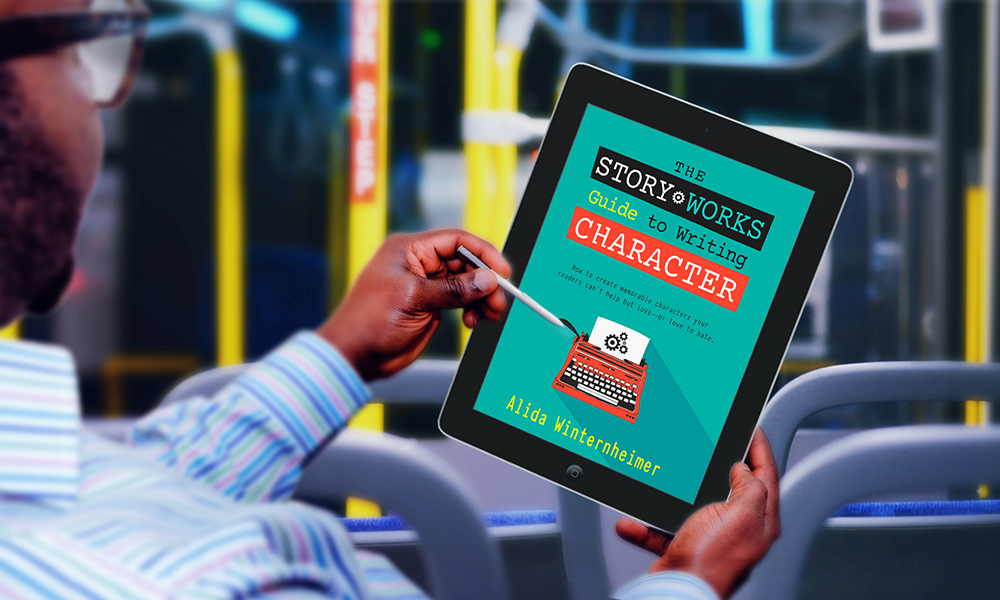
How should you introduce your characters? We each bring an example showing how to use action or narrative exposition to introduce your character to your reader. Remember just like everything in writing your description should do more than just describe your character.
How do you define a stories theme? And should you start with a theme or let it develop naturally? We talk about how you can use the theme as a revelation, as well as how it connects readers to authors. Use theme as a layer of your story, balanced with the rest of your elements. And finally, Alida challenges us to write a story to a theme!
This week's show is pulled from the archives. Previously released as video-only episode 2. Alida, Kathryn, and Matt discuss writing groups. What to look for, how you might benefit, when to join and when to run! VIDEO AUDIO SHOW NOTES What we talked about: The...