At this week’s Story Works Round Table, writers discuss the benefits of group coaching. Next month begins the writers book club and more!


At this week’s Story Works Round Table, writers discuss the benefits of group coaching. Next month begins the writers book club and more!
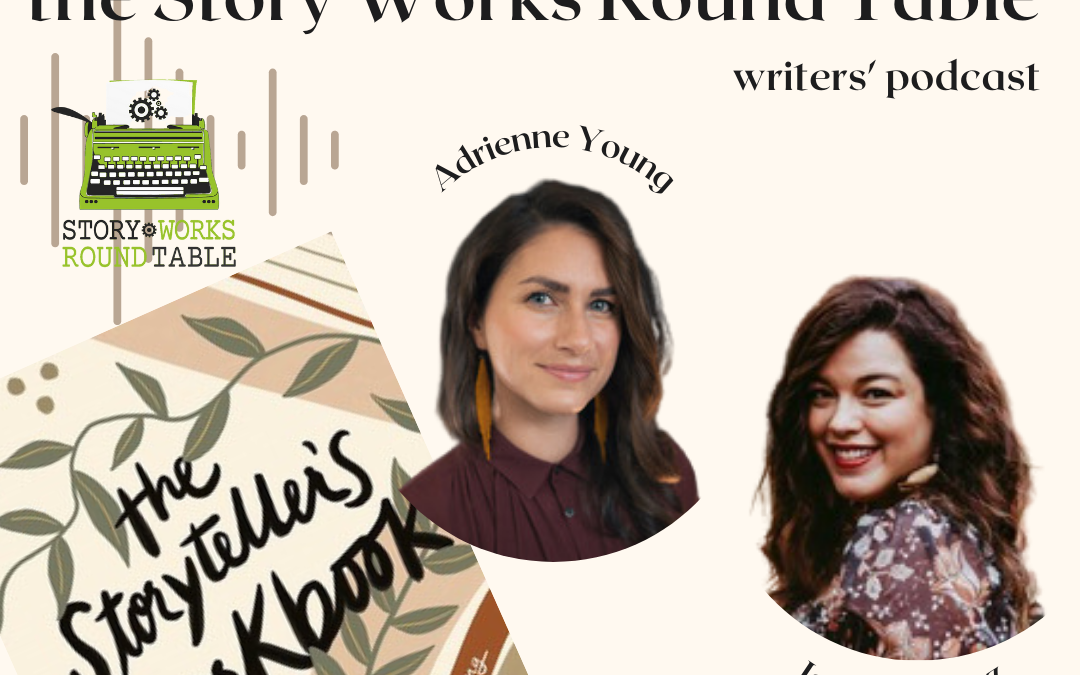
This week, Alida and Kathryn welcome Adrienne Young and Isabel Ibañez to the Story Works Round Table to chat about...

What is the difference between hard and soft magic systems? How does it apply to science fiction as well as fantasy? What are some pros and cons of the spectrum? How do you avoid deus ex machina with all powerful magic systems? How do you incorporate consequence into your systems? And where do we fall on the sliding scale?
What is the difference between working in a community and in isolation as a writer? How does it change your work and your mindset? Do we prefer traditional or digital communities? And what are the pros and cons of digital versus face to face? How does a writing community help you grow? And how can it hurt your efforts? As with everything, be careful to balance your life with your community and your writing so that you don’t suffer from overwhelm! And don’t forget, the Story Works community is available to you!
This week, Alida and Robert continue their conversation about the writing process, creativity, first drafts, where ideas come from, and how revision really works. The inspiration for our conversation is George Saunders' essay "What Writers Really Do When They Write."...
This week, Alida and Robert discuss a craft essay by George Saunders, titled "What Writers Really Do When They Write." It's all about the writing process, and we get a lot of value out of this essay. We highly recommend it to anyone writing a story. Get the essay at...
How do you balance real people, events, and places within your fictional narrative? Should you use major historical figures as protagonists? Or should they just pass by as setting or scenery? Have you asked yourself what you are aiming for in terms of your historical fiction? And why do you want to use a real figure or real event instead of complete fiction? And how important is that authors note?
Want to know what it takes to write a good opening? How do you hook your reader and get them invested in your story? How do you create character empathy and what are the action steps that you need to take in order to write a great opening?
What can cause problems in your action balance? How do you identify these problems? And how can you work to solve them? What counts as an action beat versus a quiet moment? And what should your characters be doing in those moments?
Show, don’t tell! Don’t think, feel, and wonder your way through a manuscript. Dig deep! Use that narrative exposition. Use your dialogue and action sequences. Write visually. Never use adverbs. Use the right word choice. Make your writing strong and not weak. Don’t use to be! Don’t use said! We tackle some of the most commonly touted writing rules and how they should actually apply rather than some of their more misunderstood applications.
How often do you find unlikeable characters? Is there a difference between an unlikeable personality and moral or ethical flaws? What about morally repugnant characters? What kind of arcs do unlikeable characters have? And how do you craft them?