
Story Works Round Table

conversations about craft

for writers and readers curious about writers

SWRT 274 | Craft and Conscience with Kavita Das

SWRT 274 | Craft and Conscience with Kavita Das

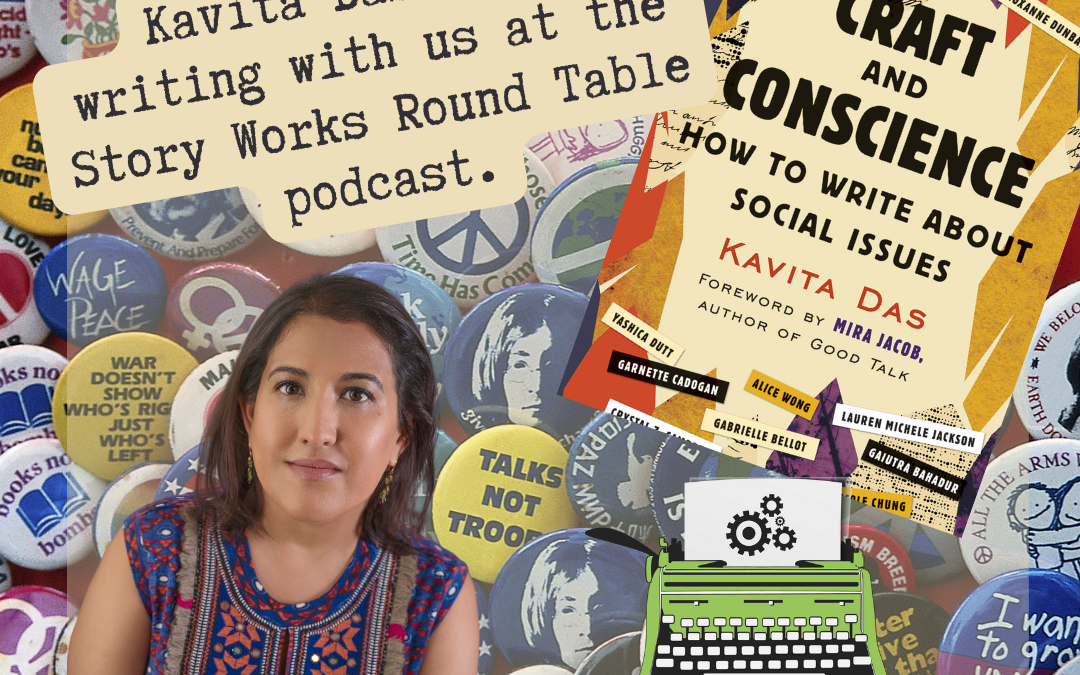
This week on the Story Works Round Table, Alida & Kathryn welcome Kavita Das to the Story Works Round Table. Kavita has a new book out, called Craft & Conscience, all about writing that is concerned with social issues. And really, what writing isn’t in one way or another getting at the aspects of being human and being human together that could use some work? This conversation is equally beneficial for fiction and nonfiction writers.
SWRT 273 | Writing Good Sex Scenes

SWRT 273 | Writing Good Sex Scenes

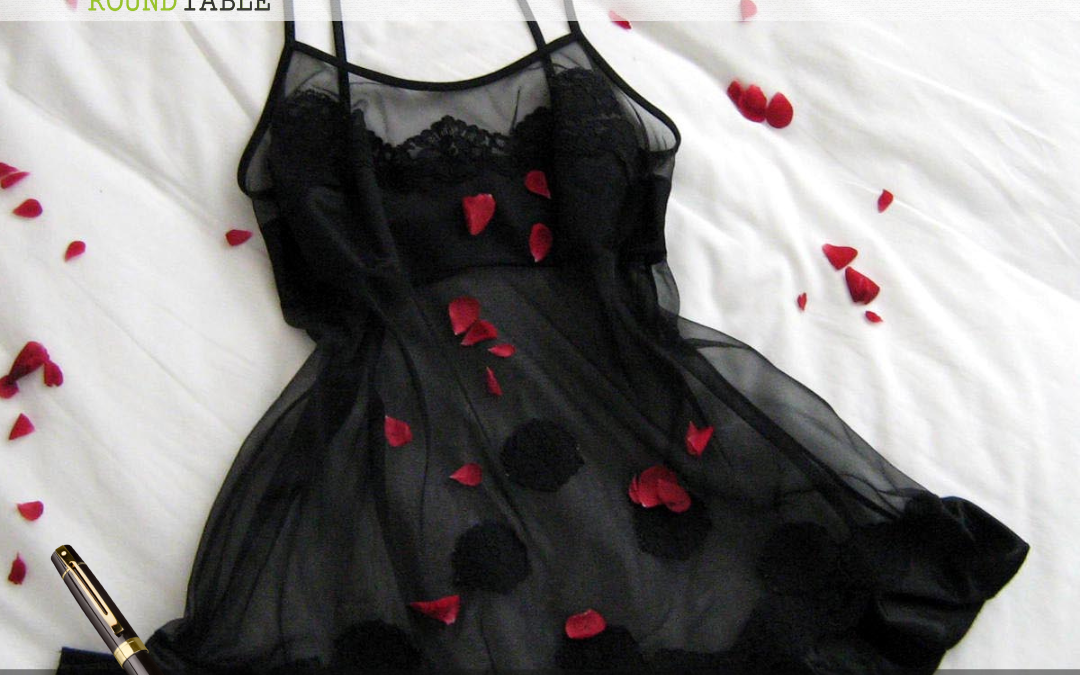
Writing good sex scenes into your novels is about more than showing a little skin. This is a clean conversation about the craft of sex scenes. Show notes and more!

SWRT 028 | Emotional Wounds

SWRT 028 | Emotional Wounds

We sit down with Becca Puglisi to talk all things Emotional Wounds, and other writing resources. We talk about the resources she has for writers, and how they can be used in a wide range of applications. How can we use them to help show rather than tell, and make your writing richer and more immersive? We talk about writing challenging personal things, how to use character growth to challenge readers and why context is so important. And what is the difference between a villain and protagonist?

read more

SWRT 027 | First Person Point of View

  Alida, Kathryn, and Robert discuss the first person point of view (1st person POV). We get into strengths and weaknesses, a common misconception, and the popularity of first person in YA and NA fiction. Before you listen to this episode make sure you have...

read more

SWRT 026 | Writing Villains

Is writing villains easy? How can you develop a villain without a point of view? Is a villain always seen as evil? How can you get into your villains head? Can we effectively troubleshoot our own villains? And what about writing them with a point of view? So take your villain, give them a good shave and a motivation and get writing!

read more

SWRT 025 | Re-readable Books

Should all authors aspire to write a re-readable book? Does it have to be re-readable in order to be enjoyable? What can we learn from books we have re-read? We talk about reasons we re-read books, get deep into a food analogy, and leave you with a large list of our favorites we hope you enjoy!

read more

SWRT 024 | Twists

What is a twist and how do you separate it from your typical surprising ending? Do all twists have to be massive plot level revelations? And is a twist just a gimmick? Should all books have twists? And at what point in your story should your twist arrive? Finally – we discuss how all stories can have twists and challenge everyone to write one of their own!

read more

SWRT 023 | 3D Villains

What makes a good villain? How do you avoid cliches? How do you effectively layer your villains? And how do you use villains in different genres? Can you have an ideal as a villain? And what about those villains we don’t vanquish by the end of the book? Don’t forget that your villainy must be tangible to your protagonist and relatable to your reader!

read more

SWRT 022 | Inspiration

What is a high concept idea? And do you need one in order to write? Should you build your story around your theme or let it emerge through your story? And what about writing to genre conventions? We talk about what inspires us, how to write in and out of the box, and shut down that voice of resistance in your head!

read more

SWRT 021 | Distinct Characters

How do you know if you have created a distinct character? How important is role? And what is a supporting character anyway? How do motivation and subplot work toward giving your characters individuality? And what sort of tools can you use to help create these individuals? In the end Alida wraps it all up together, and even gives some great exercises to help you create distinct characters.

read more

SWRT 020 | Setting

How is setting different from world building? What do you put on the page and what should you leave out? How much detail is too much detail? And how do you keep your setting active in your story? Robert gives great practical ways to evaluate your style of writing setting, and how to make it better!

read more