Crafting character arcs takes planning, but it’s not difficult, especially if you reverse engineer your protagonist’s big shift.

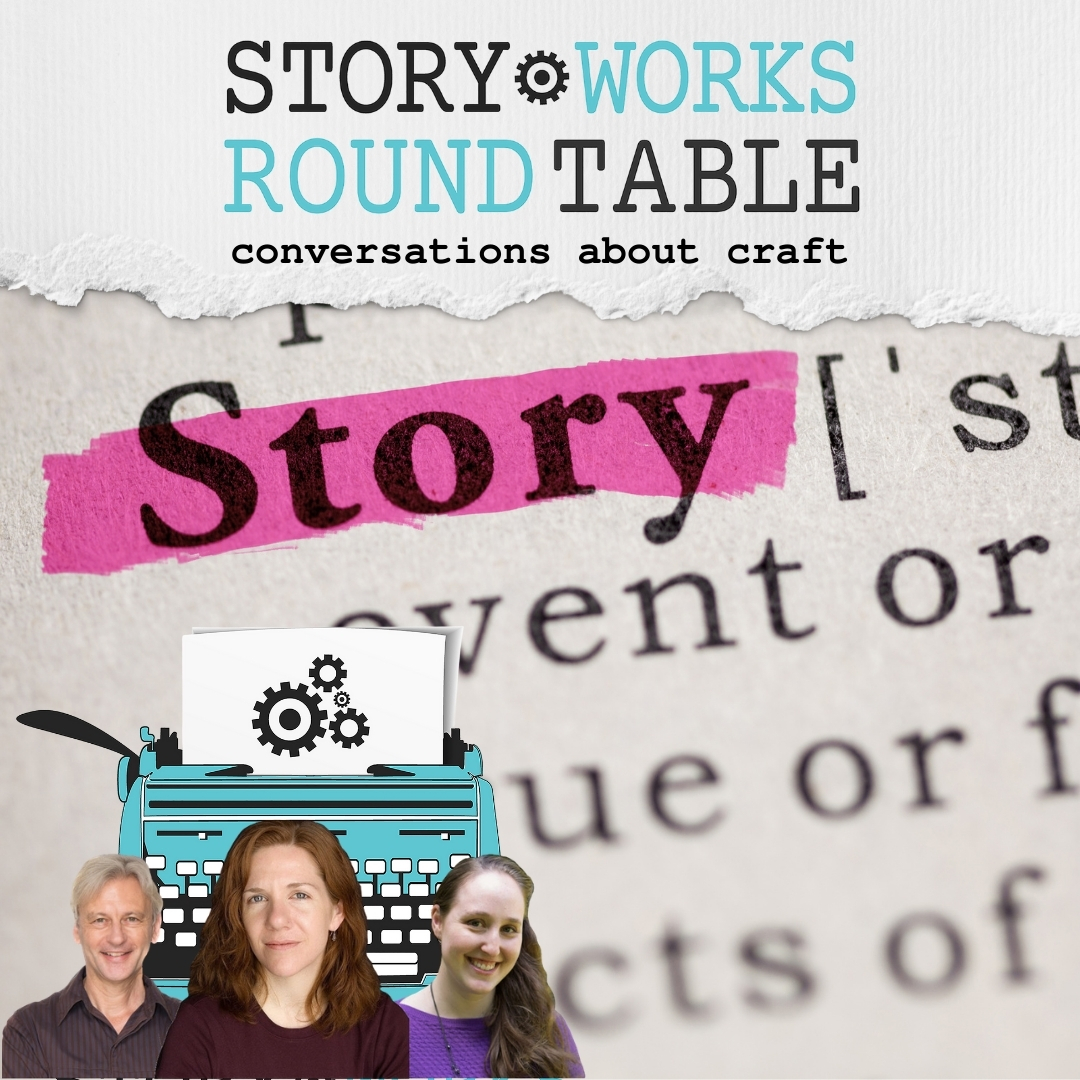
Crafting character arcs takes planning, but it’s not difficult, especially if you reverse engineer your protagonist’s big shift.
More than a holiday classic, Dickens’ A Christmas Carol is a classic of story craft. This novella offers lessons to carry throughout the year.

How do you define Horror, Post-Apocalyptic and Dystopian fiction? What are the differences in genre conventions? How does it prey on the fears of our society? What are the differences between a good and a great book in these genres? And how and where should you innovate?
What is the difference between an inciting incident and a climax? And can you stack large climaxes throughout your story? How do you know what a climactic moment is? Readers expect variety! Climactic moments should be as varies as the characters, subplots and plot points of your story.
Are you supporting characters always supportive? How can you use character conflicts and relationships to up the stakes and tension in your work? Don’t forget: no one exists in a vacuum! And characters are defined by how they interact with others!
What is the actual definition of a trope? And how should you use one? Why do we conflate it with so many other things? And how can you use them artistically without falling into cliche’s or heavy handed writing?
What is the Bechdel-Wallace test and why is it important? Should we know more about it? And are we just products of our culture? How can you apply this test to your fiction? And what is our responsibility as writers and creators to change the worldview around us? Is there a male counterpart to the Bechdel-Wallace test? Should there be? It all comes down to character development, so make sure you are looking at them from all angles!
Revision – love it? Hate it? How do we approach it? What should your mindset be when you approach revision? And how long does it take us? Revision is just a part of the process and a necessary one! So learn to enjoy it!
How do we draft our first drafts? And how do you handle problems that come up while you are drafting? What tools do we use? And remember, it’s your first draft for a reason!
Why do we desire to set goals for the new year? And why Robert hates goal setting? What is the framework of inputs and outcomes and how can we use it to avoid goal overwhelm? We talk about the power of the to do list, and that you must know yourself and your tendencies in order to be successful. In the end Alida wraps it up in one neat bundle of tips!
How do you stay motivated when life takes over your days? We talk about the issue of negative motivation, and how you can use motivation as a verb. What motivates us? How can you reconnect to the feeling of writing? We talk challenges, deadlines, writing in small chunks, and wrap up with our tips and tricks to keep ourselves motivated.