At this week’s Story Works Round Table, writers discuss the benefits of group coaching. Next month begins the writers book club and more!


At this week’s Story Works Round Table, writers discuss the benefits of group coaching. Next month begins the writers book club and more!
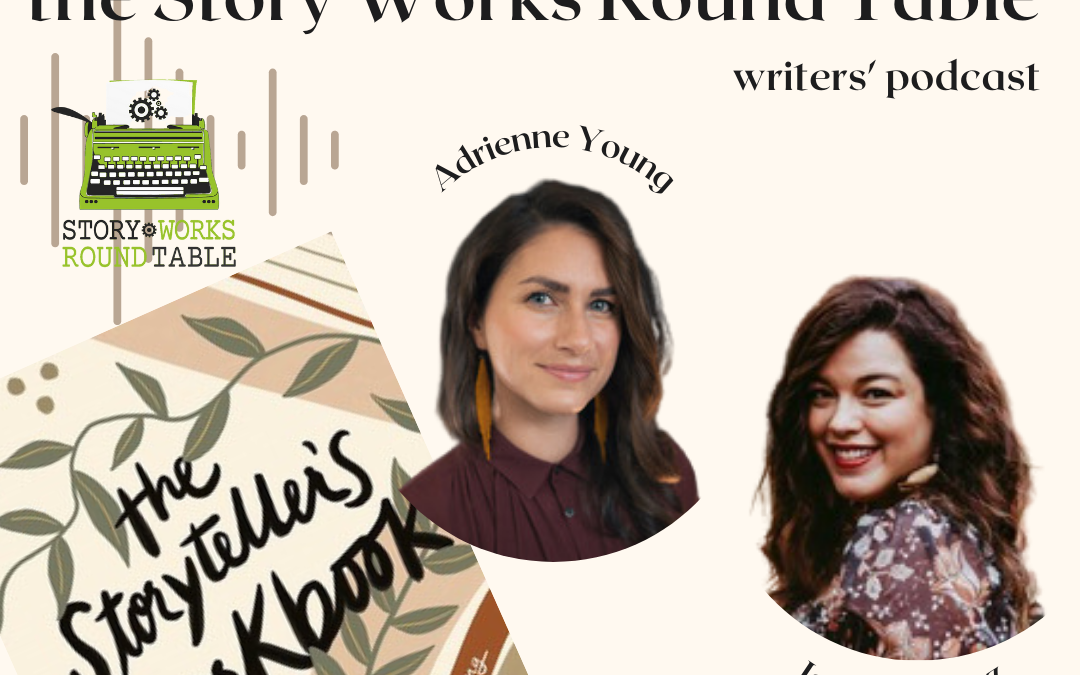
This week, Alida and Kathryn welcome Adrienne Young and Isabel Ibañez to the Story Works Round Table to chat about...

How did Chris Fox start writing science fiction? And how can you write a science fiction book with limited research? What is classic science fiction about anyway, and how does it compare with today? If you want to write science fiction, what are some technological and science based tropes you should be aware of? And how should you approach alien characters? Don’t make your readers work too hard! And how can you make tropes work for you?
Alida, Kathryn, and Robert discuss the soggy middle problem and what to do about it. Keep your action interesting and stakes and tension rising throughout the entire story. VIDEO AUDIO SHOW NOTES What is a soggy middle? And what kind of writers tend to have...

What is a cozy mystery? And how do you develop the right cast of characters to fit inside of one? What skills to they need? And who do they need around them? We discuss genre conventions for mysteries in general, and cozy mysteries specifically. Don’t forget your law enforcement, or your red herrings!

We welcome special guest, Lisa von Biela, to the Story Works Round Table this week to launch a series on genre fiction. Lisa has numerous dark, horror, speculative stories published, primarily with Dark Fuse. We talk about inspiration, plotting, and the twists of...
In this week’s episode we discuss point of view.
How is dialogue in fiction different from real life? When should you use exposition versus dialogue? And how do you use your dialogue to move your story forward? When do you use dialogue to communicate information or explain things? And when should you shy away?
Find out what the Story Works Round Table podcast is all about and meet your hosts, Alida, Kathryn, and Robert.
How do you develop supporting characters? What goes into them versus your protagonist? How do you move them from plot device to fully fleshed being? And what role should they play? Above all how do you keep them from all sounding the same?
How do you know when to end your story? And how do you deliver your ending in a way that leaves readers thinking about your story and character for days? Be deliberate about what you leave unresolved, and don’t let that ending be disappointing! Above all make sure your protagonist takes center stage. And don’t be fooled by our decoy endings.