
Memory • Emotion • Body
Writing begins with ourselves,
our unique memories, emotions, and embodied experiences.
In this immersive weekend workshop and retreat, we will work with our memory, emotion, and body to explore what it means to bring the power of our unique experience to life in our writing. Held in a private, virtual room, this retreat is a safe space to explore the story you need to tell.
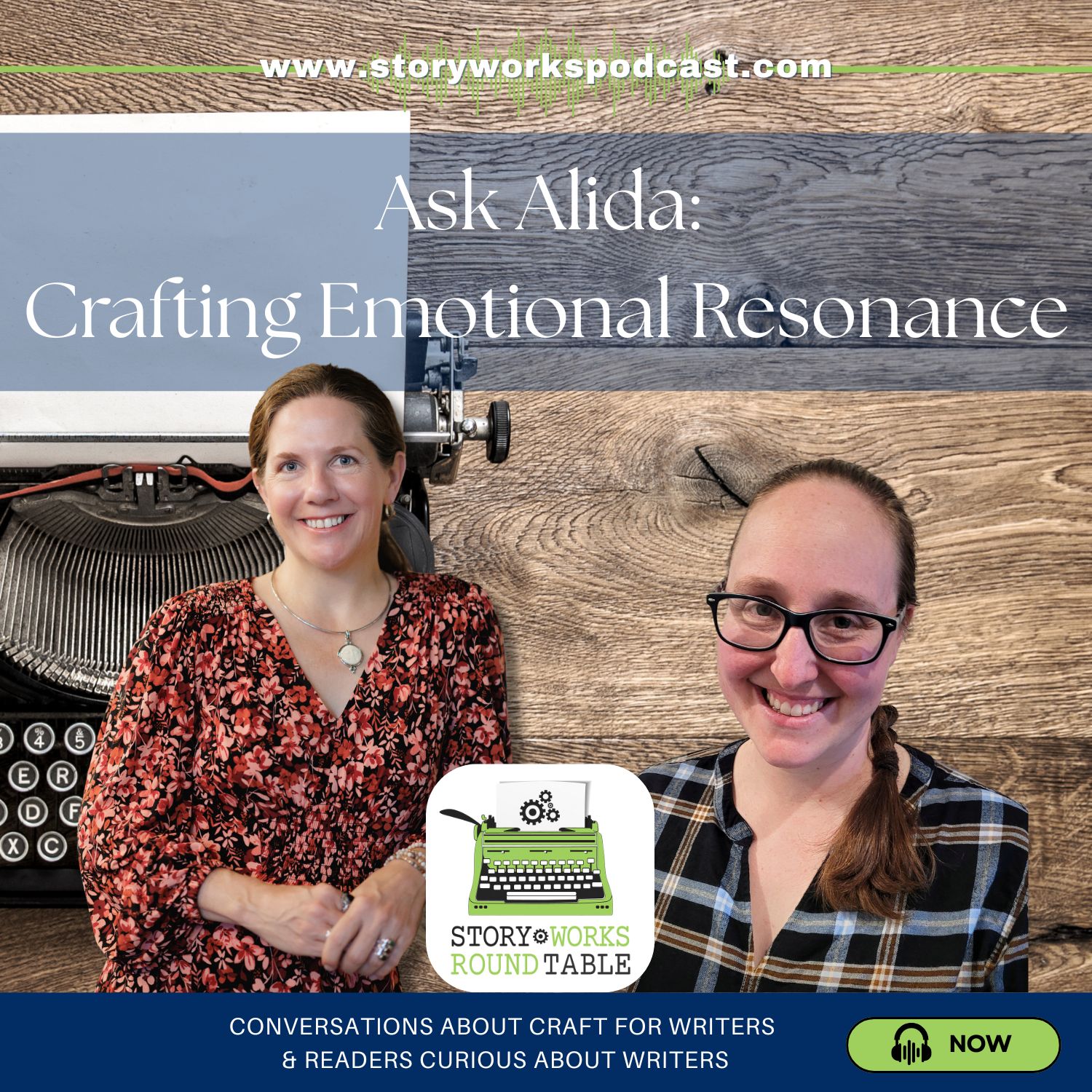
In this episode of the Story Works Round Table, we explore the profound significance of storytelling in human experience, discover why writing matters in a world increasingly influenced by technology, and how empathy plays a crucial role in storytelling. We delve into crafting emotions, avoiding melodrama, and the delicate balance between character interiority and external expression. We also touch on backstory, and knowing when to tell the story you want to write! Join us for an insightful discussion on the art of writing and the eternal value of stories in shaping our understanding of the world.
AUDIO
TRANSCRIPT
This transcript is AI generated. If you notice any inconsistencies or errors, blame the bot.
Kathryn Arnold: I’m gonna throw you some stuff. I’ve got actually one kind of main topic and then two one off questions. And I’m gonna bracket us with.
Alida: Okay.
Kathryn Arnold: Because I felt like that was kind of fun. All right. So I wanted to talk kind of. This is like meta story about the importance of story as humans. Why is being a writer, and maybe a good writer at that, why is that important? Why can’t we just let computers tell us stories? Why is writing story or hearing story or having story in our life so important? Your opinion?
Alida: My opinion.
Kathryn Arnold: Okay.
Alida: because as human beings, storytelling is hardwired into our psyches, into our DNAs, whatever angle you want to come at it from, I think it is, is part and parcel of being human and having a human experience. And it is vital in shaping community and connections between people. And as writers, our job is to make our readers feel with and for our characters. see upcoming workshop. Right. But it’s. Storytelling is about the empathetic connection. So we create characters, we put them into situations, we communicate that into words on a page, and then that page gets read, hopefully by countless others who then feel for our characters who go on a journey, an emotional journey, vicariously lived through our storytelling. And no machine can do that. They, you know, however smart they are, however well they can imitate what we do, I don’t think empathy is part of that quotient. And I think empathy would be. Personally, I don’t think a machine could feel true empathy unless it became a conscious being of some kind. Right. To get. Get a little spiritual. So I think we can just rule that out of, you know, AIs, abilities, which makes storytelling, then, a uniquely human function. So a machine might be programmed to tell a reasonably good story. It might approximate something people can do, but it’s not going to be the same. I think it will always be lacking. and as for why it’s important to tell stories, it’s just, it’s two sides of the same coin. When I tell a story, whatever I’m writing, it’s because I’m trying to explore or something about the human experience, something that I haven’t experienced personally. Right. So it’s not in my backstory. It’s not part of my psyche or personal evolution, but I want to understand it, I want to connect with it. So then I create the character and the circumstances, and I ask myself, what would happen? What would it mean? How would this person handle it? How would this resolve over the course of the story? I’m writing. And so then I get to grow and evolve as a human being without actually living every possible experience out there by selecting the ones I’m particularly interested in. Right. That fascinate me to the extent that I’m motivated to write a book. That’s a huge endeavor. And then I get to grow and evolve through that empathetic journey with my fictional characters.
Kathryn Arnold: Definitely. And, I mean, you see story throughout history, right? As teaching tool, as history, as all of these things, but it’s all wrapped in storytelling and legends and just beautiful, beautiful words and language. So I feel like that’s also maybe part of our history as humanity. Is that fair to say that we’ve always been storytellers and that this is just part of our heritage?
Alida: Oh, I think so. Yeah, definitely. I think before people were leaving pictures on cave balls for us to discover. Eons later, they were communicating whatever that looked like, you know, whatever language was, for those people, for those beings. Definitely.
Kathryn Arnold: Awesome.
Alida: Yeah. I think as soon as. Okay, all right.
Kathryn Arnold: I just.
Alida: Now you’ve got me excited ruminating here. Go for it. Yeah. I think as soon as you’re. As. As soon as a being’s consciousness can conceive of past, present, and future, you enter storytelling mode. Because now you have to make sense of your world and the relationship between events between things and the. If this, then that, you know, if I catch a fish and I eat it and I don’t put the guts far away from where I sleep, the bear might come out and get me instead of the fish guts kind of a thing. So we learn and share and understand relationships within the world where we exist through storytelling. So that’s just my philosophical moment for today.
Kathryn Arnold: It’s a good one. It’s a good one. I mean, I’m in the middle of teaching my children their young elementary. And it’s story is the vehicle to understanding. It really is. And to, like you said, to empathy. And it’s funny that you should say that, because I have more about emotional response in a reader for, our topic today. But if anyone has a question that they want to drop in the chat, please do so before we jump into the next topic. So here comes my first question. I want to talk through some emotions, that maybe people want to craft on a page and some ways that you think you can use storycraft to create that emotional resonance within that emotion. But what do you think about crafting something where the reader feels anger for or with the character?
Alida: It’s a good, good emotion, but I think it is the same no matter what emotion you want.
Alida: Your reader to feel. Because their job is not to pull people’s strings based on what we think they should feel. Right. Like if, if the bad man kicks the puppy, you will be angry. Because everybody’s angry when a bad man kicks a puppy kind of a thing. So it’s not about the event, the plot happening. It’s going back to that empathetic connection. You know, what is our point of view, character feeling in response to what’s happening and how deeply does the reader understand and connect with that character? And you know, sometimes what the character is feeling, we can’t really expect the reader to feel because it’s, it’s out there. But then we connect the reader to that character’s experience, to that character’s emotions, that characters, you know, we start relating to it, we form that connection. And so then the reader is feeling for and through the character. Like, you know, when you’ve got, when you’ve got a character who makes a choice your reader would not reasonably make, we just can’t expect the reader to make that same choice. So we aren’t expecting the reader to say, yes, I would do that. What we need to do is make, tell our story in such a way that the reader says, I understand this character, I know why she made that choice, and I can say yes to her movement forward through this story. Right. So as long as we keep getting that kind of reader buy in that particular yes, then we maintain that feeling with and for the character. And so that’s where we get that similar response out of the reader as we get with the character. And we want to try not to intellectualize it. like I realize what I just said could sound a little mechanical, a little intellectual, but the art, like that’s kind of the science of writing a story. But the art of writing a story is getting to that feeling place so that the reader’s not processing, their connection and the choices being made and all that. The reader’s just going on the ride and then having that feeling experience. Okay, so I don’t know, did that answer the question sufficiently?
Kathryn Arnold: I feel like that’s a good. Well, I feel like that’s a good start. I feel like the getting to specific emotions is something. Oh, I like that question. Let’s do that. What is melodrama and how can you avoid it when writing strong feelings? Good one, Anna.
Alida: melodrama, I think you know it when you see it because it crosses that line. It gets cheesy. Right.
Kathryn Arnold: It’s like.
Alida: Yeah, it’s. Yeah, it’s very on the nose. It’s overwrought. You know, if you’ve ever had like a little kid who falls down and skins their knee and they look up to see what the adults are doing, and if somebody’s looking at them, they start crying. That’s melodrama. It’s like I’m doing the big show of emotion for the big show of emotion, so I get the reaction that I want. So if you’re writing melodrama, you’re writing it for the sake of the reaction instead of writing something that’s organic to your characters in that moment in your story. So if you suspect you might be heading into melodramatic territory, pull back, refine your description, refine your characters interiority and responses to things. Go for something more nuanced. I’m gonna have to get a sip of water. I have a pickle hand. So if you’ve got a, character and your first draft reaction is to like, slam a door or break a dish, step back, that might be totally appropriate for your character. It might be the best thing you could do. But if you suspect it’s not, then cut it, don’t do it. And think, what would it look like if this character wanted to break a dish but didn’t? How would that anger be expressed? Instead, maybe the character purses her lips and starts, like, picking at the skin around her nails or something. You know, one of those, like, tells that’s a, sign of stress in this particular character. And if it is something like that, that kind of a tell set it up earlier in the book, you know, so when we get to it, you don’t have to explain to the reader what it means. We’ve seen that behavior in that moment of stress. And we get here and we’re like, oh, okay, this is simmering, right? M.
Kathryn Arnold: Is there a interior versus exterior kind of balance there in emotions? When a character is showing them, that helps to kind of alleviate that. Like if you’re all the head and it becomes really kind of entangled, is that maybe where you could back up and, and back out with your lens and maybe show a little more exteriority to balance that out, to help with that? Because I know, like, some characters or some people, if they’re really in their head, it can catastrophize something that maybe isn’t as much and then turn it into something a little more melodramatic.
Alida: Mm, Yeah. So I think if you’re too much in your character’s head, especially in an emotional moment, you risk tanking the pace of your story because you’d be pulling away from whatever situation is creating that emotional intensity to go inside and move into thinking territory. So how much thinking, how many thoughts you need to quote on the page, and how effective is that versus throwing using the narrative lens to the outside of the character to show us that expression of emotion?
Alida: You know, if you think of, I know this is probably a bad example, but I think it might work if you. So if somebody, receives an award or is proposed to, or watches their child being born or something, and you go into their head and they’re thinking, oh my God, it’s such a fantastic moment. This day has finally come. I’m so blessed. Look at this.
Kathryn Arnold: Wow.
Alida: Right? Is the reader going to care versus if you step outside and you show the, you know, person on bended knee, or the baby in the arms, or, you know, the podium at the award ceremony or whatever, and then we see that character and there’s a single tear running down their cheek and because the moment we understand, it’s a tear of joy and gratitude. What is going to make you as a reader feel more in that moment? Yeah, yeah. So it’s not. There’s no like, formula, but it’s what is the scene in your story? What are you trying to accomplish? And then how can you best do that and maintain your pace and don’t be cheesy and show, don’t tell.
Kathryn Arnold: Right? Absolutely.
Alida: Good.
Kathryn Arnold: All right. Kristen had a question. She said, I fall into the trap often of starting with lots of backstory. How do I get into the heart of the action?
Alida: Good.
Kathryn Arnold: M Question.
Alida: So you said starting with backstory, starting with lots of.
Kathryn Arnold: Lots of, Yeah.
Alida: So again, hard to talk in the abstract. Better with a concrete example. But the important thing to know about backstory is that we don’t want to front load it as writers.
Kathryn Arnold: Right.
Alida: Our mission is never to fill in the reader and get them all set up for what’s about to happen. We want the reader to engage with what is happening. And as it unfolds, we get to drop in backstory when it is relevant to the now story in the best way possible. That doesn’t slow the pace or take us out of our story’s forward movement. Right. So there are three methods which I teach in my backstory workshop coming up this winter. this is great. It was like a setup. So you’ve got, you’ve got narrative exposition, flashback and dialogue. And which one you use when just depends on what’s happening in your scene. And then that question of pacing. What is the backstory you’re going to reveal? How dynamic and interesting is it? Right. If it’s quick and easy, a line of narrative exposition, deliver it and move on. If it’s big and fascinating and it really makes sense to put it in full scene, go into a flashback. And if you’ve got a scene that is moving along and you’ve got characters in conversation, using dialogue and incorporating subtext so that you aren’t just on the nose, hey, remember when we went and you. And this and, Right. Use subtext. Make the current dialogue richer for the inclusion of that bit of backstory. So that was kind of in a nutshell. don’t front load it. Weave it in at the moment it’s relevant. And pick the best technique that maintains your forward momentum and suits the piece of information you need the reader to know.
Kathryn Arnold: If you find yourself with that kind of front load of backstory, would you say it’s fair to say, analyze where you’re starting the story? And maybe your start is in the wrong spot. Like, maybe if you feel like there’s. You have to get all of this stuff on the page, like, maybe you either need to start earlier, you need to start later. Maybe there’s something wrong with when in the timeline of the story you’re beginning.
Alida: Definitely assess that. You know, definitely think about that question. Am I trying to start my story further ahead than I should be? And as a result, I feel like I need to do all of this groundwork. But then, pair that assessment with how much of this ground playing actually needs to happen. What does the reader really need to know? You know, what is my goal as I’m opening this story? Introductions set up a good opening hook, right? But we don’t need 10 pages of background. So just give us enough to start that connection, get us interested, let us know exactly what kind of a ride we’re in for, right through your voice, through your genre cues, and then let the rest unfold as we get to know the character and understand the situation. So.
Kathryn Arnold: Perfect. Okay, I have one more question I want to get to on emotions and crafting emotions. this one’s more like within your character, which we touched on. I said, ah, how much of creating emotional resonance or emotions within the character is building your character itself or the situation you put it in? Or maybe even like language and pacing and all of those things? Like, where would you put that? I know it’s all interwoven, but kind of what part of that craft would you focus on?
Alida: So here I would really emphasize that there’s no formula and we’d have to look at it case by case. Because if you’ve got a literary story with lyrical prose, there might be a stronger emphasis on the language, the description, the mood. Right. What is the prose itself evoking in the reader? Whereas if you’ve got a thriller, then we might be much more focused on the physical stakes of the event. What does our protagonist stand to gain or lose in this moment? What is about to happen? You know, the, the damsel is tied to the train tracks and then here comes the train. It’s all about the train, right? So it’s a combination in every scene. No matter what genre, no matter what’s happening, it’s going to be a combination of all of those elements. But how you work them, will vary writer to writer, story to story, and then even scene to scene. So as the storyteller, your narrative is going to have a particular balance of those overall through the book. Right. And that’s your consistency. But then depending on the scene you’re in and what the stakes, intention are, you might dampen down the description a little bit to focus more on the stakes, or you might really slow the action down to focus more on the character’s interiority, to show that emotional response, something that’s happening. so, you know, it’s like a three part scale that you’re, you get to play with. And that’s the fun of writing, is that once you establish what you’re doing in that particular story, you get to shift those things around within. Within reason. Right. Within a reasonable scope to create the effect you’re going for. Seemed seen.
Kathryn Arnold: Awesome. And then if you wanted to test that, okay, did I do my job? Is my reader feeling this emotion or is this coming across as the correct emotion? What are some ways that we as writers can test that?
Alida: Have a good friend read it?
Kathryn Arnold: Exactly.
Alida: You know, I think, the more you write, the more you read, the more confidence you have in your abilities, the better you get at assessing your own writing. But as the writer is the one doing the mechanical part behind the page and balancing everything, I, I don’t feel the way I expect a reader to feel reading my work because I’m in a different mindset when I’m creating it. Right. And I’ve gotten very good at kind of knowing what, I’m doing and how I can expect a reader to respond to it. And Then there’s a point when I do want my peers to take a look because I want to hear from readers who’ve never seen the work. Right. Who haven’t been, you know, immersed in it for months on end or sometimes years on end. I want to see what their reaction is. And you can’t give yourself a pure response as a reader.
Alida: You just can’t, you know, no matter.
Kathryn Arnold: How much distance you give it.
Alida: No, no. I mean, after years you might be able to surprise yourself, but you’re still gonna be the writer. So it still won’t be totally pure. So I think, if you’re earlier in your writing career and you’re really kind of grappling with that, have a good critique group you trust, don’t take them your work too soon. But when you’re ready, go in and maybe just let them know. I really want reader responses. I don’t want fixing. I don’t want you meddling with it. Please just read it and let me know how you feel and, you know, how you respond and how the pace is going, those sorts of things. there’s great value in sitting in those rooms and listening to people talk about what they just read with that kind of critical but not I’m out to fix your words mindset. And then you can see where you were right and where you were off the mark in your own assessment.
Kathryn Arnold: okay. Yeah, I have one more one off question. So if anyone else has anything else they want to talk about, we’ve had some great questions so far. Feel free to drop them in the chat.
Alida: yeah, questions and comments are very welcome, so bring them on.
Kathryn Arnold: All right, so this is more about, it’s December and we aren’t going to have our next Askalita until 2026. And we used to do this on the round. I know the years are flying. we used to do this on the Round Table podcast and I used to love it. Right around New Year’s we would do this kind of like question about goal setting and things like that. And I know some people set goals around New Year’s and some people don’t. So I want to broadly just say, how do you feel about people setting goals as writers? What sort of goals would you encourage versus maybe discourage in terms of, around writing and around the craft of creating?
Alida: M. I would say writer, know thyself. You know, if you are motivated by goals and you can set realistic goals that you can make and celebrate or adjust without getting down on yourself, then, then go for it, Personally, as a writer, I am much more interested in goals that help me grow. So. Goals like hitting a word count or finishing a draft, which. Life can get in the way of those goals all too easily. not everyone, you know, some people can set those goals and boom, they go. They’re off and running. And that’s great. So I would, you know, for me, it’s like, can I, expand myself as a writer by taking on a new type of craft challenge or by leveling up the kind of training I get or whatever? So that’s. Yeah. Kristen says, I’d love to write something cerebral and philosophical like Sacred Nunes, the Friend, but every time I try, I bog down. Just give it up. Try a different genre. yeah, I would say, what does your heart and gut tell you? Right. If you feel, like, compelled to do this, this is something you really want to do, then maybe break it down, make it smaller. Maybe it’s a short story. Maybe it’s just journaling for your own satisfaction. Like, you know, journaling, like fictional, creative journaling. Not necessarily rumination, although it could be. And see where it goes. And if it doesn’t go anywhere, if it’s frustrating, maybe you do give it up and try a different genre. Right. What lights your fire? I think the stories we need to tell keep poking us until we start working on them and keep working on them. And that doesn’t mean they don’t challenge us and we don’t have lots of. And lots of hurdles on the way as we write these books. but a big, A big thing like that, go with your feeling and then make it smaller and give yourself permission to give it up and switch gears if you stop getting that nudge, you know? Yeah. Thank you, Kristen. I hope it’s helpful advice. You know, I had a writer in a workshop who is, an English professor, and she thought she should write literary fiction because that’s what she reads and teaches. Being a college professor. And then Covid hit and she just wanted to read, like, fun stuff, and she started reading romances and rom coms and stuff, and she was having fun with it. So she started writing one and she had fun. And, you know, she’s doing amazing with it. So maybe there is that time to just try something else. And that’s okay, too.
Kathryn Arnold: I think sometimes too, like, maybe you don’t know enough or you’re not in a spot where you feel like you’ve got the right toolkit and. And like Alita was talking about with the goal, goal setting it’s like, okay, what are the tools that I’m missing to be able to write this? And so maybe I give it up to write other stuff so that I can develop the tools to go back to it. And I think that’s been very essential in my writing journey. Taking a break, putting a project that feels too big aside, if that makes sense.
Alida: So no, that makes perfect sense.
Kathryn Arnold: Yeah.
Alida: And that’s a great point too, because sometimes our vision and our aspiration exceeds our ability level. And that doesn’t mean the project that is coming to us, that wants to be written isn’t ours to write. It might just mean, okay, that is our project. But it’s, Where’s my camera? Up there, right? And I’m here and I need to do a few more projects, whatever size, whatever scope. And while I’m doing those, I can keep doing the discovery writing, the researching, the, you know, creative journaling with that future project in mind.
Kathryn Arnold: Mm.
Alida: Yeah.
About Your Hosts
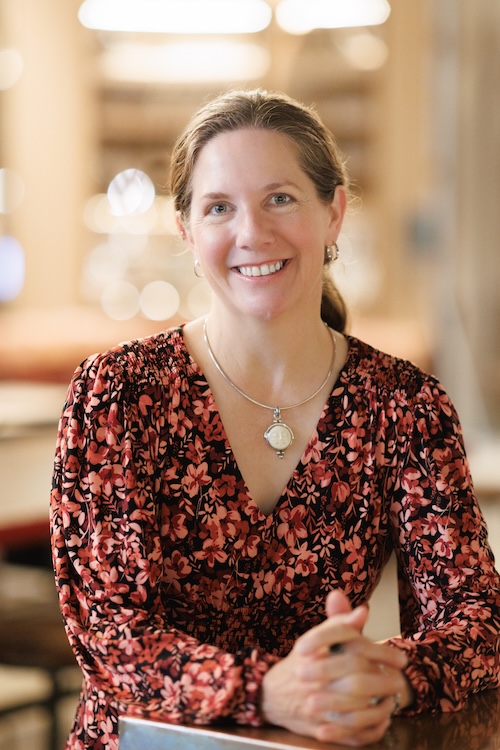
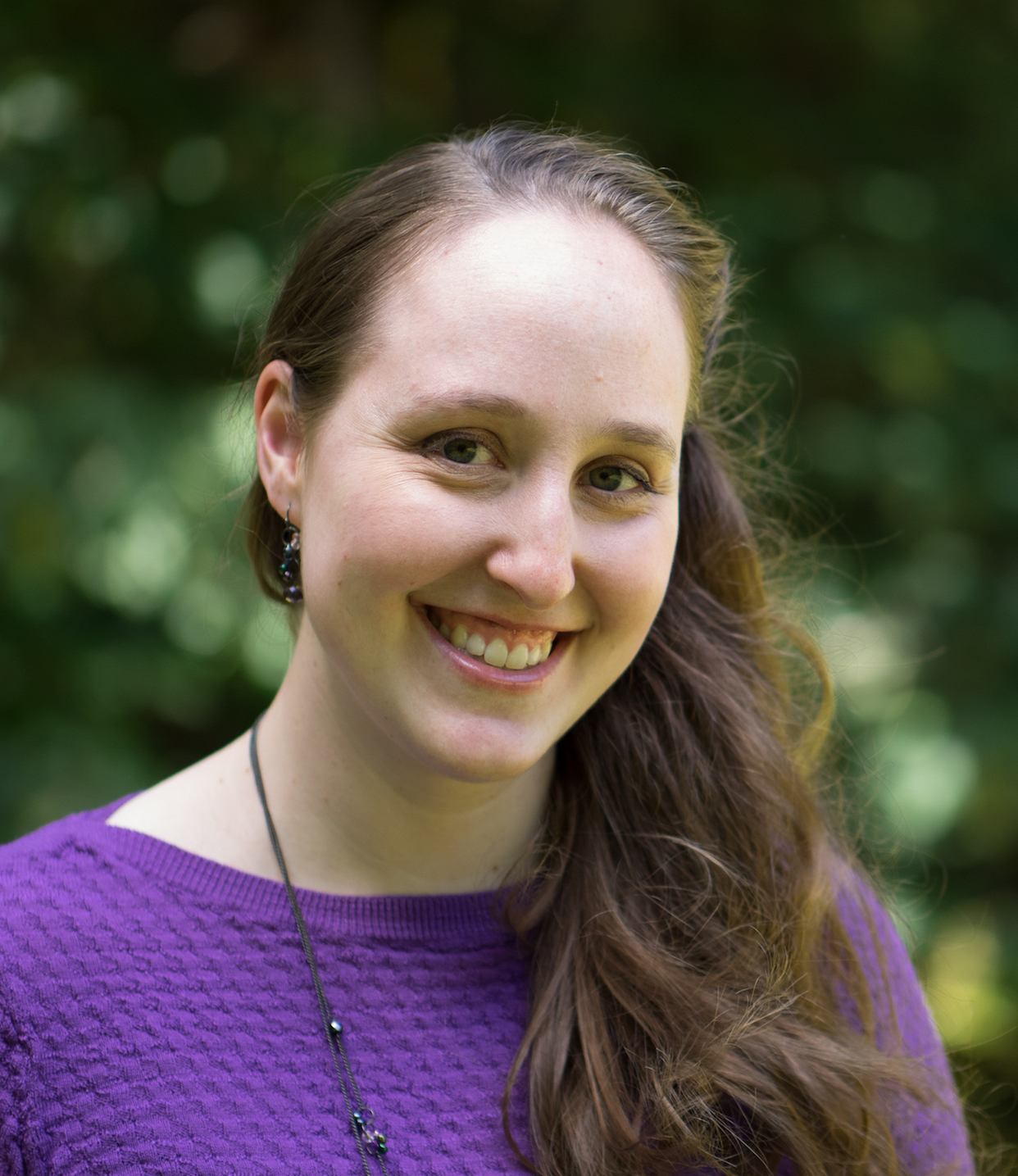
Kathryn Arnold writes fantasy and anything else that sparks her creativity from her home in Kingston, Washington. She currently earns her living as an insurance underwriting assistant, where she also creates marketing and web copy. When not writing, she plays (and teaches) piano and keyboard in a band (or two), and is working on starting a ministry team with her husband. You can find Kathryn at www.skyfirewords.com.