
Register Now for Fall Workshops!
I’ve got a full slate of workshops available this Fall. Whether you want to dive into specific craft topics (Backstory, Stakes & Tension, Weaving Character, Plot & Theme) or tackle your entire first Act (Write Great Openings), I’ve got opportunities for you.
Regardless of the workshop you choose you know you will get:
- A LIVE Classroom
- A small class size with personal attention
- Lessons, Discussion, and Exercises to help you put action to your education
- Answers to your Questions
I hope to see you in my classroom!
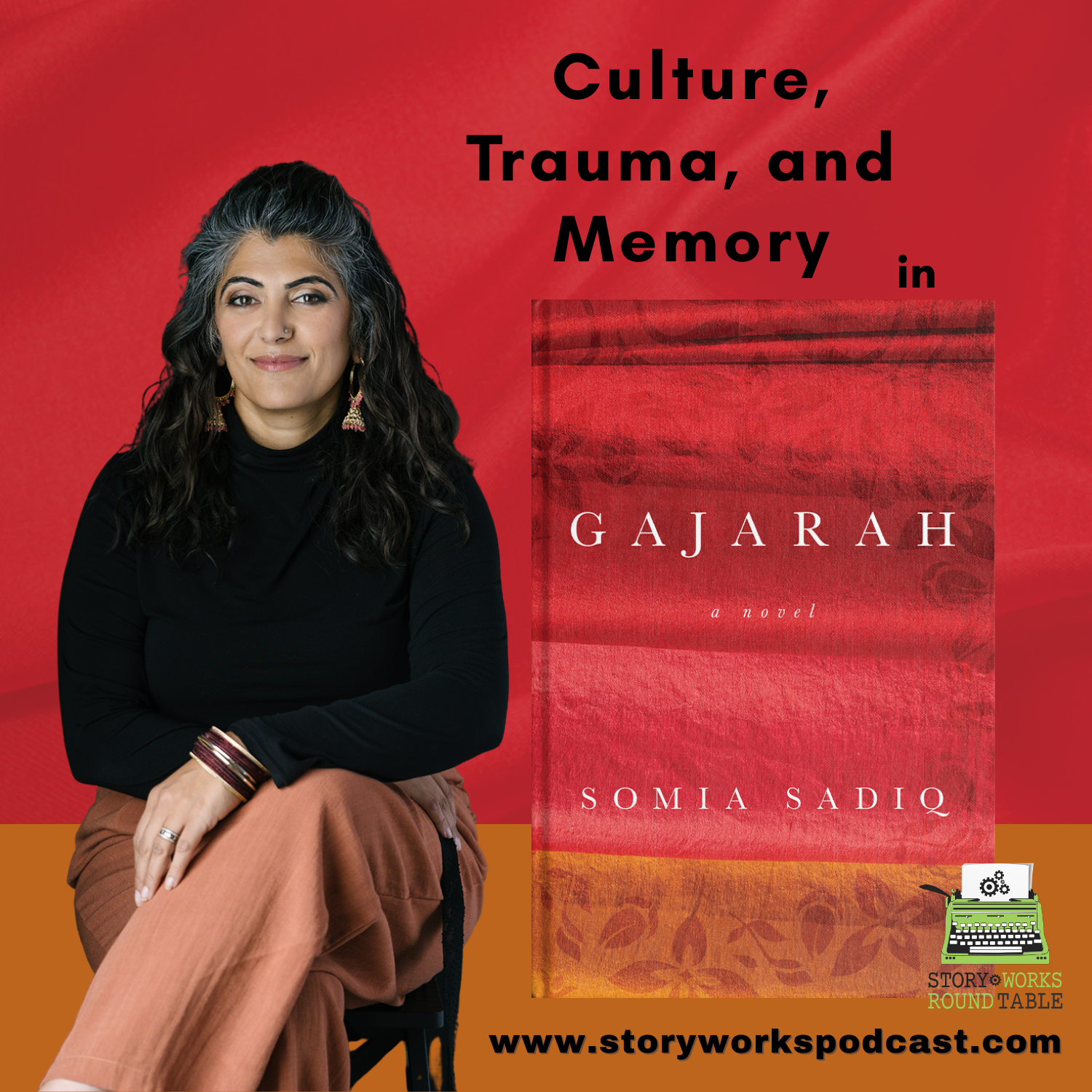
In this week’s episode, Alida and Kathryn are honored to host Somia Sadiq, an award-winning entrepreneur and global peace negotiator, who shares her journey into the world of storytelling through her debut novel, Gajarah. Somia discusses the importance of exploring the complexities of identity, trauma, and belonging through literature, emphasizing the power of storytelling to foster understanding and connection. Join us as we delve into the intricate relationship between the storyteller and the listener, and how Somia’s unique experiences shape her narrative style.
AUDIO
Somia Sadiq is an award-winning entrepreneur, global peace negotiator, and visionary leader in conflict transformation strategies. As the founder of Narratives Inc., Kahanee, and Kahanee Suno, she pioneers storytelling-driven solutions for transformation and systemic change. A sought-after keynote speaker and conflict readiness strategist, she blends business acumen with cultural wisdom. Gajarah, her debut novel, is a powerful testament to resilience, identity, and ancestral strength.
TRANSCRIPT
This transcript is AI generated. If you notice any inconsistencies or errors, blame the bot.
Alida Winternheimer: Hello and welcome to this week’s StoryWorks roundtable. Today, Catherine and I are thrilled to be joined by Somia Sadiq. Somia is an award winning entrepreneur, global peace negotiator, and visionary leader in conflict transformation strategies. As the founder of Narratives Inc. Kahani and Kahani Suno. She pioneers storytelling driven solutions for transformation and systemic change. A sought after keynote speaker and conflict readiness strategist. She blends business acumen with cultural wisdom. Gajarah, her debut novel, is a powerful testament to resilience, identity, and ancestral strength. Welcome.
Somia Sadiq: thank you so much. Thanks for having me.
Alida Winternheimer: M. This is our pleasure. So why don’t you tell us why a novel, what led you to, this path of being an author? And yeah, I’ll just leave it open ended.
Somia Sadiq: O. I was gonna start with a joke, so I might as well start with a joke. Oh, it’s because I ran out of things to do, so I decided absolutely not.
Alida Winternheimer: yeah, your bio is so thin. I can tell that was the problem.
Somia Sadiq: I. Ah, yeah. World that, life has a way of humbling us many, many times. I decided to write this. I’ve always loved writing. It’s, a very sacred place. It’s a very special place for me. I’ve done poetry, written poems, hundreds of them, over the years. And they have this beautiful way of grounding me. And I feel very supported and held and all of the good things that come from just using beautiful modes of expression. So I’ve always done that. And a combination of folks around me suggesting you should write someday to really coming to a point in my career, in my life where increasingly I was finding, like, we as people, have one, forgotten to talk to each other, have forgotten to listen to each other. And even when we do talk, we talk in binaries. Things are either good or bad, good, or evil, black and white. You’re either right or wrong. And I wanted to create something that provides that language for the in between. Language that is difficult. And writing, Gaja, was a way for me to work through what some of those in betweens look like for folks who are working with complex traumas and challenging issues of identity and belonging. So, yeah, so I decided to walk down this path. And it’s been very, very humbling and very exciting.
Alida Winternheimer: Wow. I love that. I think one of the greatest powers of literature is what you just described of giving us a space to explore the in between. You know, I think when we move into story and experience, whether it’s fiction or nonfiction, that’s when we really escape this Land of binary.
Alida Winternheimer: Of right and wrong, you know, and to open ourselves in our hearts to this kind of vicarious experiential learning and, you know, opening M.
Somia Sadiq: Absolutely. And it almost feels safer to be able to do that. And that vicarious experience gives you space to be able to think about things without necessarily being the person in that thing. So it’s a very powerful modality for us to. To bring reality and imagination together.
Alida Winternheimer: Yeah, it is. your novel struck both of us. We talked about this before the call as reading like memoir. You know, there were moments when I was reading it and I felt like I was in Eman’s memoir, know. And I had to remind myself, this is a novel. Right. And I’m going to be talking to you, not to Aman. It’s this different art form. Were you conscious of that? Was that an effect that you were hoping to achieve as you were writing it?
Somia Sadiq: Absolutely. And thank you for that beautiful question. I was hoping that someone would ask me that, so thank you. one of the. I was very conscious of that for several reasons. One of them being in the work that I’ve done over the years with different communities, with different marginalized communities, people of color, people who are working through different barriers to be seen in societies that may not traditionally be societies they were born and raised in. I’ve often found there to be a really strong disconnect in whose story it is and who gets to tell that story. And I think a lot of that happens when we turn someone into a third person. So when, you know, if I’m working with one of the communities and they invite me to tell their story, I can tell their story. As you know, I met them. Here’s what that was like and here’s what that felt. And I certainly could tell that in a really evocative way as well. However, it would carry so much more power if it truly were their voice as a person. And I think it. So there is a sense of empowerment, of reclaiming those traditionally unheard voices that we don’t find in these spaces. So that was very deliberate. The second thing that was very important was I grew up in a world very rich with stories. Everything was a story. We were taught in story. And I often found it to be so fulfilling when someone would, one of my grandparents would tell their story or their experience of something. There was an intimacy to it, there was a sacredness to it. And those stories stayed with me more so than them telling me stories of others and other people’s experiences. So I thought it would land more powerfully yet if the readers felt like it was Iman telling them her story herself, as opposed to someone writing her story and sharing it. So those two were mainly the reasons why I chose to write it in that way.
Alida Winternheimer: Yeah. And when you’re telling this kind of a story and it’s fiction, you know, what is your sense of responsibility to the character, to the story, and then through that narrative, to the people or type of people the story represents?
Somia Sadiq: Yeah, great question. I think the degree of responsibility is significant and I felt the weight of that responsibility as I was writing. So in a lot of ways I felt very deeply attached to all of these characters because I’m telling their story and I’m creating the story, but I’m also the storyteller. So that sense of responsibility is something very inherently, alive and present at all times. And also I think one thing that came up for me quite a bit was this relationship that I hold very important between a storyteller and a story listener. I’ve always offered that both the teller and the listener carry equal responsibility. It’s the sacred space, this careful, beautiful space they create together when they’re in a story. And how powerful the storyteller’s story is in a lot of ways relies on how good the story listener is. And so there’s that reciprocity. So when I tell the story with, you know, being feeling that responsibility to the characters in the story, there’s an expectation of reciprocity from those who are also reading that story. So I think that that’s sort of like this beautiful web that we create, storytellers that goes, ah, a long way to create creative and beautiful, brave spaces for us to share.
Alida Winternheimer: Yeah, so true. I’m looking at my notes because you just said something that reminds me of one of the questions I had for deeper into this conversation. So I want to jump, jump down in my. Not this, please.
Somia Sadiq: Yeah, absolutely.
Alida Winternheimer: Yeah, I love what you were just saying too. I agree completely. So you quote Rumi both in the story and then in your author’s note. And Rumi, the quote is out. Beyond the ideas of wrongdoing and rightoing, there is a field. I’ll meet you there. So what I’m wondering is what conversations does this novel have with the reader and what conversations do you hope readers will go on to have with themselves and others after reading it?
Somia Sadiq: I love how deep we went there. Thank you.
Alida Winternheimer: Yeah, and really quick too. I Love it. I love it.
Somia Sadiq: So that quote Ofumi is my favorite quote. I use it. Gosh, I would use it every day if I could. I use it to set the context anytime I of facilitating a session. And I know we’re going to be having difficult conversations and I encourage people to just for the 90 minutes or the day that we’re spending together, just for this period, let’s try and stay in the field. And what’s beautiful is people do try to stay in the field because it’s like we’ve given each other and the collective permission to do that and that’s okay. So it’s a very powerful, tool, if you will. There are so many conversations in this book that are difficult conversations. One of, one of the ones that personally felt very, very important to have was around forgiveness. So forgiveness is one of those concepts, realities that we’re taught from an early age, depending on our worldview, our religious construct, our social construct. Who should forgive? What does forgiveness look like? Why should we forgive? Did someone else already take responsibility for our sins? And forgiveness gets tied to so many other things in our worldviews. So then when someone is wronged, who forgives? If I wrong you as an individual, should that not be between us? But my world says that I should forgive because thatll help me and make me feel better and so on. So one of the things the readers can expect is for them to be walked alongside Iman’s journey as she wrestles with that and as she has these conversations about what forgiveness means to her and they’ll find out what she does with it when they read the book.
Alida Winternheimer: Yeah. yeah. Was it difficult to write about forgiveness with these particular situations? And how did you approach it as a novelist? I think sometimes when we sit down to write, the theme, presents itself or we choose the theme and then we shape the story around that theme. And other times we’ writing this character’s journey and these things are happening and then we have to almost grapple with it alongside the character, as it emerges. So I’m wondering if you selected theme and sat down to write if it came out, what your journey was like around this issue with this particular character and you know, her circumstances.
Somia Sadiq: Yeah, I would offer. It felt very organic when it emerged. So it wasn’t something that I decided at the beginning that, oh, this is definitely a theme I want to have in the book. The, the story, the theme, the context was about telling the story of someone who wrestles with childhood trauma and wrestles with that across different geographies and, places. And forgiveness is a theme just naturally emerged as someone who would wrestle with childhood trauma. So it was very much a natural, evolution in that way. What added to that thinking was I’ve had this incredible privilege of sitting in conversation and circle with communities, with tribes, with elders, with, women from so many places in the world. And having observed them, seen them work through some of these clunky, difficult topics. And often it would be one family wrong the other, one community wrong the other. What does resolution look like? So forgiveness is an inevitable conversation that folks would have because they would talk about punishment. And then as soon as you talk about punishment, there’s, well, could we forgive? And if we do forgive, what does that look like? Who should be the one to forgive? So I’ve had this incredible experience of sitting through so many of those conversations that it felt there was no possibility of not then talking about forgiveness. As we talk about Iman’s journey through life.
Alida Winternheimer: Giving me the eyeses are cues to Ktherine. Hop in anytime.
Kathryn Arnold: I know, I know you have such good questions, Alita.
Alida Winternheimer: Catherine knows all my.
Kathryn Arnold: Once, once she starts rolling with the question, sometimes I like to just see where they, where they go to. I want to talk about the. The way that your narrative is distant a little bit so that we have that, like you talked about the memoirsque quality of it and the way that we’re kind of like looking back. It’s very reflective, very philoshy, you know, philosophical. I can’t say that word, apparently. it gives us a distance to think differently. I feel instead of being so immediate and in the moment with Amana, as she’s experiencing these things, we get to more see her response to them from a more mature aspect. can you talk to why you made that decision and how that affects the way people interact with that and those conversations that you’re having?
Somia Sadiq: Yeah. So one of the key things that was important early on, we talked a little bit about why I decided to write this novel. And one of the key themes that I see a lot in my line of work is the impact of trauma, the impact of childhood trauma, all sorts of sexual trauma, intergenerational trauma on communities and what that means in the context of, recovery and healing in the long run. And one of the things that I’ve seen time and again is we expect healing to be this linear journey. We expect that. I’m gonna go start seeing a therapist and five years later I should be perfectly Healed or in some cases I’ve paid for four sessions to see a therapist. Why am I not already feeling better? And that’s not how healing works. It’s this very non linear, chaotic, messy journey. So one of the other really important elements of this book is really embracing the nonlinear aspect of what recovering from trauma looks like. So readers will get to feel that chaos. Sometimes it’s what, what does it look like when, what does it feel like when Iman is triggered? How does she regulate herself? And then how does she go back to thinking about what that was? Or how did that even happen? And how sometimes, yes, something may have happened to you 20 years ago and yet it lives in your body for another 20. So those are very much realities of the human experience, the complex realities of the human experience. And I felt that was really important for folks to not just read about, but possibly relate to quite a bit. Because if anyone who’s had trauma reads, reads Gajada, I think they’ll see themselves reflected in her journey and say, oh wait a second, that is exactly how it happens to me. I don’t know where it comes from. And here I am in the moment and I can’t breathe. So yeah, that was why it was.
Alida Winternheimer: Important to write it that way.
Alida Winternheimer: Was it? What challenges did you find in writing this as the novelist, stealing with these issues of trauma and multi layered traumas and know, thinking about responsibility to the story and the characters, but also to the readers and then I imagine also to the people you’ve worked with over the years and that you carry pieces of their stories, you know, becoming a sort of container for these sacred. The sacred sharing. You’ve used the word sacred a few times, which I really appreciate. So yeah, I’d like to hear a little bit about your experience and approach.
Somia Sadiq: M. Yeah. Thank you. It was. To say that it was a difficult experience would be an understatement. My journey writing this was as non linear as the journey of Imman. in the book it went from I had to really. So I do a fair bit of work in the space of trauma informed dialogue. Trauma informed conversations. And what is it mean to talk about trauma in a manner that does not reraaumatize individuals, which is really, really important. What is also important is recognizing that when we hold that space for conversations about trauma to happen, we have to prepare the readers that that may happen. I don’t know as a storyteller what someone else’s triggers might be. So I can’t just assume that I can Go in this space and just bleed all over. Like that’s not how a trauma informed conversation happens. So there’s a few things in the book that will that will speak to some of that. One is the nature of, you know, what is typically referred to as a trigo moing. So at the very beginning of the book it says what individuals characters in this book survive. So it gives you a sense of what, what are we getting into here? And anyone reading that will know that oh, ah, this is not my summer beach read. Perhaps or maybe it is like I love reading, reading stories like that. So there, there’s that piece. What was really important as I was writing it was to be mindful of the impact of the writing not just on the readers but also on myself. So when I was describing something really particularly challenging, I was watching the somatic experience in my own body at the time and recognizing oh like this is the turn here in the story that I wanted to take. But I’m feeling like my heart’s beating right now. I’m feeling like I’m getting a little activated. I’m feeling a little protective of Iman right now. Like how dare this person. So in a way I was living with these characters. They became a part of me. They were a part of the conversations that I was having as I was writing. So I had to be mindful of my own well being, my own care in that process and had a really solid self care plan throughout and was able to mostly stick to it. Had a good support network around me that I was to able to lean on. And as for the folks who’s stories in some way have sat with me are a part of my way of being, my way of thinking. I think this book offers a lot of nods to those very sacred elements of people’s experiences and everything from things that we would be worried about saying out loud because we would be judged for it. But Imban exercises the courage to say it. So there’s lots of different ways that I feel good about having balanced that responsibility and it was very much a part of the how I went about writing it.
Alida Winternheimer: M. Yeah. so who is this book for? I think on the one hand people who don’t have experience with any piece of Iman’s journey, whether it’s immigration or arranged marriages or the various traumas that are present in this story. There’s that ah, vicarious journey piece of it that then informs our own worldview and sense of compassion. And I think whenever we read a novel and connect with Characters who are not like us, with whom we don’t share any experience. It reduces the amount or the likelihood of othering another. Right. Because you form an empathetic connection with someone who’s not like you through fiction. So I think there’s that piece of it. But then I wonder also, because you’re just speaking of this awareness of the potential for this story to re. Traumatize someone. Is it also for people who have walked some of this path and you know, what are your thoughts on who this book is for and why?
Somia Sadiq: Yeah, I appreciate that question. It was one of the questions my publisher asked me and naive as I was, am, will be, to a debut novel. I said, oh, it’s for everyone. And everyone just laughed at me and said that’s not how this works. So lots of good learning there. Gra, is for those who have wrestled with a sense of belonging. And that can be anyone, irrespective of the color of their skin, the language of their ancestors, or their faith, where they live. So it’s for people who wrestle with a sense of belonging. It’s for those who’ve been told they’re either too big or too small or too loud or to this or to that. So it’s for those. It’s for. It’s for those who have questions about people like me, people who look like me, people who look like. And for those who can’t see me. I’m brown, got a lot of hair. for those who look like newcomers to whatever lands those newcomers might be. So it’s to foster empathy, it’s to wrestle. It’s to experience what someone else might. And I appreciate it that you talked about. It helps us prevent othering and I think it gives us that language. What it also does or who it’s for is, which is one of my favorite things in the world is for those who find joy in the little things. And it really helps validate that sense of we don’t need big things for joy. Joy really is something that we can find in the little everyday places. That’s where we can get our strength. That’s where we can get our resilience. So whoever fits in that very big box, I think. Yeah.
Alida Winternheimer: Yes. Yeah. And your prose leans toward the lyrical. This is certainly literary fiction. You include poetry In this book. And you just mentioned the joy of little things. So I’d love to hear your thoughts about the role of flowers, colors and spices in this story.
Somia Sadiq: Yes. So like every artist, you incorporate little parts of yourself in A story. So I learned how to cook from my grandmother. And she would. The way that she taught was she would assign personalities to different spices. And that gave us this language on how if you bring these spices together when they need time to get to know each other because of how different they each are. So of course you need to slow cook your food because your spices are friends. They need time to become friends. And then what kinds of personalities can work together depending on what you’re trying to do? So there was just this beautiful, poetic, fun way to, to learn. And I wanted to find a way to incorporate. Sprinkle that in somehow. and the readers will experience that through, through Amman’s, journey. One of the lessons that my grandfather always taught me was chi chios, the little, little joys. And he would often say, the day we stopped noticing the choti chotiosa, we’ve stopped living. And it was really this very beautiful way to remind us to take our time to notice the little things. And I’ve kept that lesson as a bit of a, mantra for my own self. If I’m walking, if I’m, you know, going for a walk, I love noticing, you know, those little flowers that just pop up on the sidewalk and you go, hey, buddy, like, how did you even get here? Yeah. Or, you know, a little feather that shows out of nowhere. And those little things bring me a lot of joy. And I thought that’d be a really fun element to incorporate in the book. And it’s an invitation really more than anything for people to look around, pay more attention, be. Be with nature, be with their surroundings, and just acknowledge the. The little things. M.
Alida Winternheimer: Yeah, definitely. Wow. I would love to cook with your grandmother. I know’s delightful. so years ago, when I was a undergrad, in undergrad, I took a course in Zimbabwean literature. and I believe it was Things Fall Apart by Chnua Achebe. But I haven’t verified that fact. It’s been so many years. But, this novel was written in English, but she used Shona syntax. Right. And the example that has stayed with me all these many years is one of the characters is placed in an asylum. And whenever you encounter that, instead of asylum, it says, the place where people with bad heads are kept. M. You know, and I think it’s fascinating, this process of bringing a culture forward through a language, particularly a language that is not the language of that culture. And I was struck in your book with how much I felt Aman’s culture was present on the page. so I’d love for you to speak into that.
Somia Sadiq: Thank you for. Thank you for saying that. I feel the love of that. And that was very intentional. It was very important. That one was personally important because as a newcomer to Canada, I’ve been on my own journey to reclaim my language and my way of being and my culture, my clothing, and everything else that comes with, you know, just being a guest in someone else’s land. And what I’ve also seen through the course of my work is the power of language in who people are. I’ve worked with the, indigenous elders who carry such grief, such deep, gutting grief about the fact that their language was taken away from them. And, you know, on the surface, what is language? It’s just some words. But words mean so much to people. It’s how you bring them together that can completely change what you say, how you say it. And it was really important for me to help the readers see that power of. Power of language. So a couple of examples that come to mind are, I remember a few years ago, I was, driving. We were going somewhere with my brothers, and there was. It was raining outside. It was this very dreamy, monsoon vibe. And we were listening to these old, We were listening to this old heartbreak love song. And we roll down the windows, and we’re all just, you know, in that mode. And everyone. Everyone just goes quiet for a five minutes or so. The song ends, and my brother says, be honest. How many of you were thinking of your first breakup? And we all just started laughing, because somehow that had brought us there. And that then led into this conversation about this one particular word in that song. And the word was dishnagi. And we said, what is tishnagi? And we were trying to translate that in English. And we realized very quickly that there is no word, no single word that would describe it. And we spent, I would say, probably a good 10, 15 minutes using examples of just how many layers we would need to be able to describe that one state of human emotion. That’s the power of language. For us, that word just meant something instantly. We could say that to each other. And it represented culture, represented folklore and poetry and so many other things. It represented a deep sense of craving, longing, and everything else. That’s how beautiful language is. We laugh in our languages. We dream in our languages. And then somehow along the way, if those languages are taken away from people, that becomes a part of our trauma. So what an important journey, then, to use language to reclaim who you are. So in a lot of ways, gajara As a book pays incredibly deep, deep respect to my native language, which is Punjabi and Urdu. And also it’s an invitation to others to celebrate their language and way of being. And I really hope that readers can take that.
Alida Winternheimer: It definitely comes through. And I remember a moment in the story, Amon is talking about rules. I think it is the rule. And she has that moment of reflection. She goes through all the words in her language and remarks on how many words she needed to create an equivalent. Right. Like the word for rules in Punjabi. That’s her language, correct?
Somia Sadiq: Yes.
Alida Winternheimer: And then in English she needed like a dozen words to evoke the sense of that one word in her native tongue.
Somia Sadiq: Yeah. And I, to, I want to do a little shout out here to my, my publisher, my editing team. My goodness, what a joy it was and has been to work with, them. And I cannot say enough good things. We, we had this conversation right off the bat about how there are a few instances in the book where there’s multiple words used to try and describe something. And we had this incredible conversation about is that redundant or is that on purpose? And, and it was great because we realized that it’s, it is very much on purpose because one word just doesn’t cover the complexity, the layered emotion that we’re trying to communicate or the sense that we’re trying to communicate. So it is. Yeah, it’s a great way to talk about. About language. Mm H. Yeah.
Kathryn Arnold: Along with the layering of the words. Like Alita touched on the poetry before, but I was often struck with the layering of storytelling. So you not only had the narrative like literal journey of Aman, but then you had her poetry, which to me was. It was the same, but it was different. Right. Because it was her wrestling with that emotional journey. So you, you kind of got this repetition of emotion, but it changed the way that you approached it. And then also with the. I don’t even know what you call it, like almost the folkloriish inserts, the storytelling inserts, you know, where again, you get the same repetition of theme or the thing that she’s struggling with, but it’s told in another way. So even if you’re walking through this journey with her, literally where you’re saying e, you know, I sort of get it, I sort of don’t. This isn’t always making sense. Then the poem would hit you differently or the story would hit you differently and you’d feel that emotion or that rhythm or that, you know, whatever it is that you’re struggling with. Maybe in the narrative come through in a different pattern. so maybe you can speak to the layering of that storytelling.
Somia Sadiq: Yeah. Oh, I love this. So one of the reasons that that was really important was when we bring people together who are in conflict, who come from different ways of being, different expressions, we assume that a single mode of how they express should work. You know, let’s put everybody in front of flip charts and, it should make sense there. Complaints. We can put what we heard, bullet one, bullet two, bullet three. Or let’s listen to their story. What about. What about everybody else who may have a different mode of expression, different way of, you know, understanding and coalescing their thoughts? So in a lot of ways, Gajara pays a little nod to those different ways of expressing and processing emotions. So it’s through a structured narrative. It’s also through, parables, and it’s also through poetry. What it also pays respects to is in. In Banunjabi folklore, there’s so many allegories and metaphors and stories of how certain king and queen, then this would be something very common. And u. Punjabi households where it’s like Iiraja, Iiradi, There was. There once was a king, there once was a queen. And then the parents would create a story. And typically that story, or in our household, typically that story would be a way for parents to communicate something to the child about what was happening during the day. It was also a mechanism for them to process what was happening in their days and a great way creative way for them to teach the kids some lessons about what someone did as opposed to just sitting with them and saying, you don’t. You need to not do this anymore. They would create the story of a little girl who used to do this. And then here’s the consequences of what happened. So it’s a very creative way to. To learn. And yeah, I hope that, like, that resonates with folks.
Kathryn Arnold: Yeah. Well, and I like how in the beginning, Iman’s mother is very clearly telling her these stories, and you get that sense of that parental figure trying to explain the world to her. And then by the midpoint you kind of get that switch where she’s telling herself the stories. And I love that I didn’t even realize how much how intentional that was.
Alida Winternheimer: Until you just said it like it.
Kathryn Arnold: It struck me very powerfully. I really enjoyed those little stories.
Somia Sadiq: Yeah. Thank you. And it’s also a way to demonstrate that that’s how intergenerational knowledge and ways of storytelling and traditions of storytelling works. So, you know, Iman would then tell those stories to her kids in that way and so on and so forth.
Alida Winternheimer: M. So one of the elements that came forward in the story, something it’s about, is the importance of hospitality. You know, there’s a scene where the grandfather, I believe, is upset or may. Yeah, I think it was the grandfather. Right. And then the auntie and he went to talked future in laws about a dowry, and they didn’t offer him chai. And he’s so upset. And we see what chai represents and what it means, and it connects to this larger idea of hospitality. And he beautifully explains to Aman that when you offer someone chai, you’re giving them your ingredients and your time and effort to cook the chai, and you’re inviting them to sit with you and stay for time, not to be rushed out of the house. And, you know, you’re opening your heart to them. And so much of the novel and the expression of M. Imman and her culture and the people felt like hospitality to me. Like you were using your words to invite readers to listen and open their hearts. So I’d love it if you talk about the relationship between this novel and maybe all novels generally, and this idea of hospitality.
Somia Sadiq: Beautiful question. I was on that journey with you as you was. You were asking the question. I think in a lot of ways, and I’ll tie this back to something I said earlier about the relationship between a storyteller and a story listener. I think it’s just such a special, special place. I’ve been reading from a very, very young age, and I’ve always felt very connected and in a very special way to the person who wrote the book. And, I’ve always felt this reverence for them and felt this gratitude for, like, how cool is it that they’re taking their time to share. Share the story with me and I get to actually read the story. So in a lot of ways, I think that connection between a storyteller and a story listener is that of hospitality. What’s also, What also comes up for me there is when we take the time to unpack what that cup of cha means to. To the grandfather and what it represents. What we’re also doing is giving ourselves permission to see each other beyond just a material exchange of things. So me bringing you a cup of coffee in the morning now all of a sudden may mean something beyond just. I just stopped by to pick a cup of coffee. Like there’s more. There’s more to it. And I think it Gives people that permission to think beyond just the transactional nature of relationships, to really understand the meaning behind them. And sometimes there is no meaning. I don’t want to suggest that we unpack everything. maybe sometimes a cup of coffee is just a cuple coffee. And also, what if it’s something more than that? What if it’s an invitation? What if it’s a, message that, hey, like, I feel safe talking to you or I’d like to get to know you better. So to me, that is what Gajada does. It’s what authors do when they write stories, what novels do. It’s this invitation. We are hosting you in this story, sharing with you all the different things that these ideas can mean.
Alida Winternheimer: Yeah, you mentioned, languages being stolen, and I think they can also be lost through immigration and assimilation and generations. Right. You become removed from your ancestors’native tongue. And I think along with language goes tradition. And I’m just wondering if you think we collectively, culturally are losing touch with some of these beautiful traditions that when you unpack them, are offering so much more. You know, the hospitality of a cup of chai is not just saying, okay, sit down for 20 minutes instead of two. It’s all of these other deeper things as well.
Somia Sadiq: M Yeah. Are we losing it? I think we, I think we lose things every day and also we gain things every day. There’this. There’s this beautiful, meandering journey. It’s not linear, it’s complex. One of the, one of the things that I’ve thought about a lot over the years is the impact of loss of language on people and their way of being. I think about, I think about my journey when I came to Canada and how, how I speak. So what you’re hearing right now is an accent that I have acquired, practiced, rehearsed over the years that I’ve been in Canada. I speak to my family also in English, but that’s a very Punjabi English. And if you heard me speak to them, you would wonder if that’s a completely different language. So I had to learn how to speak English in a different way when I came to Canada. And I would have loved to not have to, but I had to because I was mocked for it, because there was lots of racism, discrimination, Islamophobia at the time. So we can’t necessarily have conversations about the loss of language without also having a conversation about systems that are oppressive in nature, systems that push people out, that prevent them from being feeling a sense of belonging. Now when I have young people of color Come up to me and ask, oh, how did you lose your accent? I would love to lose my accent. I tell them, don’t. It is beautiful. It sounds so great. It sounds so rich. People are going to be intrigued and want to hear the stories of the lands that you come from. So there’s that sense of reframing from shame associated with having an accent to. Our languages are beautiful. Our way of being is beautiful. Our foods are rich. Our, ways of knowing is rich. Because if we offer that space for people to express themselves, they will reciprocate by giving us the space to continue to express ourselves. So are we losing some of those traditions around language? Perhaps. And what is also exciting to me is I’m seeing more and more of our young people reclaiming those spaces and reclaiming those ways of being in like, really brilliant, creative ways. And that gives me a lot of hope for our future.
Alida Winternheimer: M.
Somia Sadiq: Yeah. M. Soh.
Alida Winternheimer: Interesting. Ktherine and I are having that eyeball exc. I didn’t want to say anything. I like, I think I saw that.
Somia Sadiq: I know.
Alida Winternheimer: Do you have a question burning.
Kathryn Arnold: But no. You know what? You’re just making me think a lot. And it’s good. I mean, reading the book made me think, this conversation’making me think. And it makes you reflect differently. Like, this is what I love about reading a book versus, like, sitting down, face to face with somebody that you. You give the space to process. And I feel like sometimes for myself, like, I get. My brain freezes, right? Like, you want me to react to something that maybe I’m unfamiliar with and, my anxiety level kicks up and my body freezes and I don’t know what to say. But when I read a book, I have the ability to process that and to be able to think on it and to be a little more prepared or a little think, feel differently than if there was someone standing in front of me demanding a response. So that’s. I just, I’m enjoying this conversation because it’s giving me that opportunity to really process through some of the things that I read. And u. also the book because it allowed me that space to think. So, yeah, there you go. That’s what’s going on in my brain right now.
Somia Sadiq: I like it. I like it. I appreciate it. And you know, in fact, when, when we first started having conversations with my publisher, they had asked me what. What I was hoping to get out of this, and I, I said I really want to push spaces to have some of these difficult conversations. And I think that’s what this book is all about. It’s about making people feel seen. It’s about giving permission. Giving people permission. Not that people need permission, but sometimes I suppose we do. It’s about having this collective permission to not have a firm solid opinion on everything under the sun. It’s okay to be in the mess for a bit. It’s okay if your trauma recovery journey is a little chaotic. So it is very much giving people that space to process and think about. So I appreciate your words, Katherine.
Somia Sadiq: Yes.
Alida Winternheimer: you open with a prologue with a mon entering a sweat lodge and you end with an epilogue where she’s having a vision or a dream of grandmothers. And I just want to invite you to speak about memory, grandmothers, the cosmos and the connection, how we’re all connected through those things.
Somia Sadiq: Yeah. One of the things I really wanted to pay respect to is what is matriarchy? What is that relationship between us, our mothers or grandmothers? And really finding a way to describe that to folks how I see it. And I had this really beautiful U, exchange. I was just visiting. I was just back home for a good month which was so cup falling. And I was braiding the hair of my two and a half year old niece. And you know, so I had this, I had the camera going because my goodness, she’s adorable. So I had this camera video recording us and I was braiding her hair. Her older brother is six, so she’s two and a half, he’s six. So I’m braiding her hair and out of the blue she asks her momm who’s sitting across the room a question which is mama is fufo my mama too? And without even thinking about it, her brother says, absolutely. You know how many mothers we have? And he goes on to list all the mothers, all the aunties who are their mothers. And it was this really beautiful moment, a reminder of how motherhood and parenting is not a solo experience. It was never meant to be a solo experience. It’s meant to be this beautiful journey of us women raising our little ones, of our communities raising our little ones, of us women loving each other and supporting each other. And we can do that if we feel cared, if we feel held, if we feel safe. So to me, that is what true motherhood, that is what matriarchy looks like feels like. And that’s one of the things that I wanted to pay respect to. If we can raise our little ones like that, they’ll raise their little ones like that. And how beautifully Connected we would be to our grandmothers and great grandmothers and our great grandchildren if we could, if we could honor each other beyond the solo.
Alida Winternheimer: That is beautiful. When I was reading that, I was reminded of Susan Swan. she was just, just recorded an episode with us and she is, a literary icon in Canada. and in her memoir, there’s a moment where she was on a women’s spiritual retreat in Greece and the women named their maternal lineage as many generations back as they could. And she remarked on how few generations backwards they could go just to a grandmother or a great grandmother, typically. And when I was reading Am Mon Story and got to that passage, I thought, oh, what a contrast, you know, how beautiful to have this sense of the lineage and the grandmother’s plural and that, connection and inclusion and love and beauty and even cosmic relationship. So I really enjoyed that.
Somia Sadiq: Thank you. Thank you. I loved writing that.
Alida Winternheimer: Yeah.
Somia Sadiq: In fact, I just finished recording the audiobook version yesterday and I know, and I, as I read the epilogue, because it had been a while since I had finished the last round of editing and, going through the process. I read the epilogue and I felt really emotional reading it and I thought, oh, this is so beautiful. Like, how did, how did this happen? So I surprised myself with just how, how powerful that epilogue felt. So clearly it, you know, evoked something in me and love for all of my aunties and I honor them also so much. So, yeah, appreciate your question.
Alida Winternheimer: Well, this has been such a pleasure. where can our listeners. Excuse me, where can our listeners find you and when will your book be available?
Somia Sadiq: So the book is available for pre order already on Amazon on, several other platforms. We’re in conversations with many indie bookstores across the world to make sure the book is available as far and wide as possible. People can find me online. I have my website, soyaadik.com. i’m happy to also share some show notes where folks can find me. They can follow me on Instagram. That’s where I usually post a lot of sort of the everyday behind the scenes journey and what’s evolving and how it’s coming together.
Alida Winternheimer: So, yeah, excellent. Well, we will definitely link to your site in our show notes. So thank you. Somia, thank you so much.
Somia Sadiq: Thank you for having me. Really appreciate it.
About Your Hosts
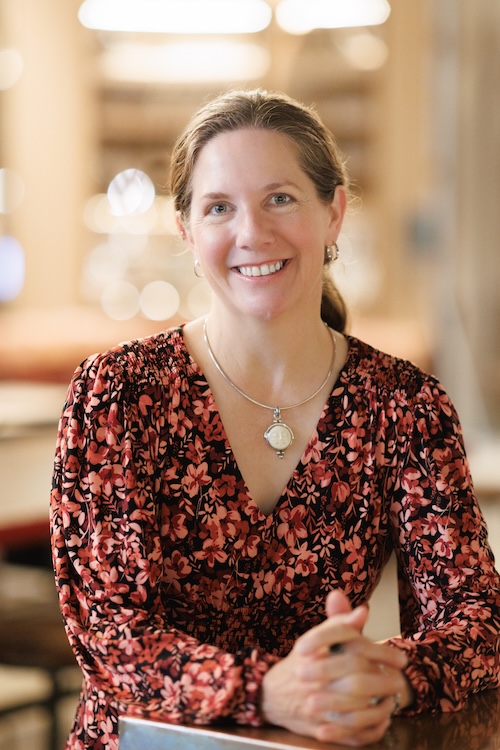
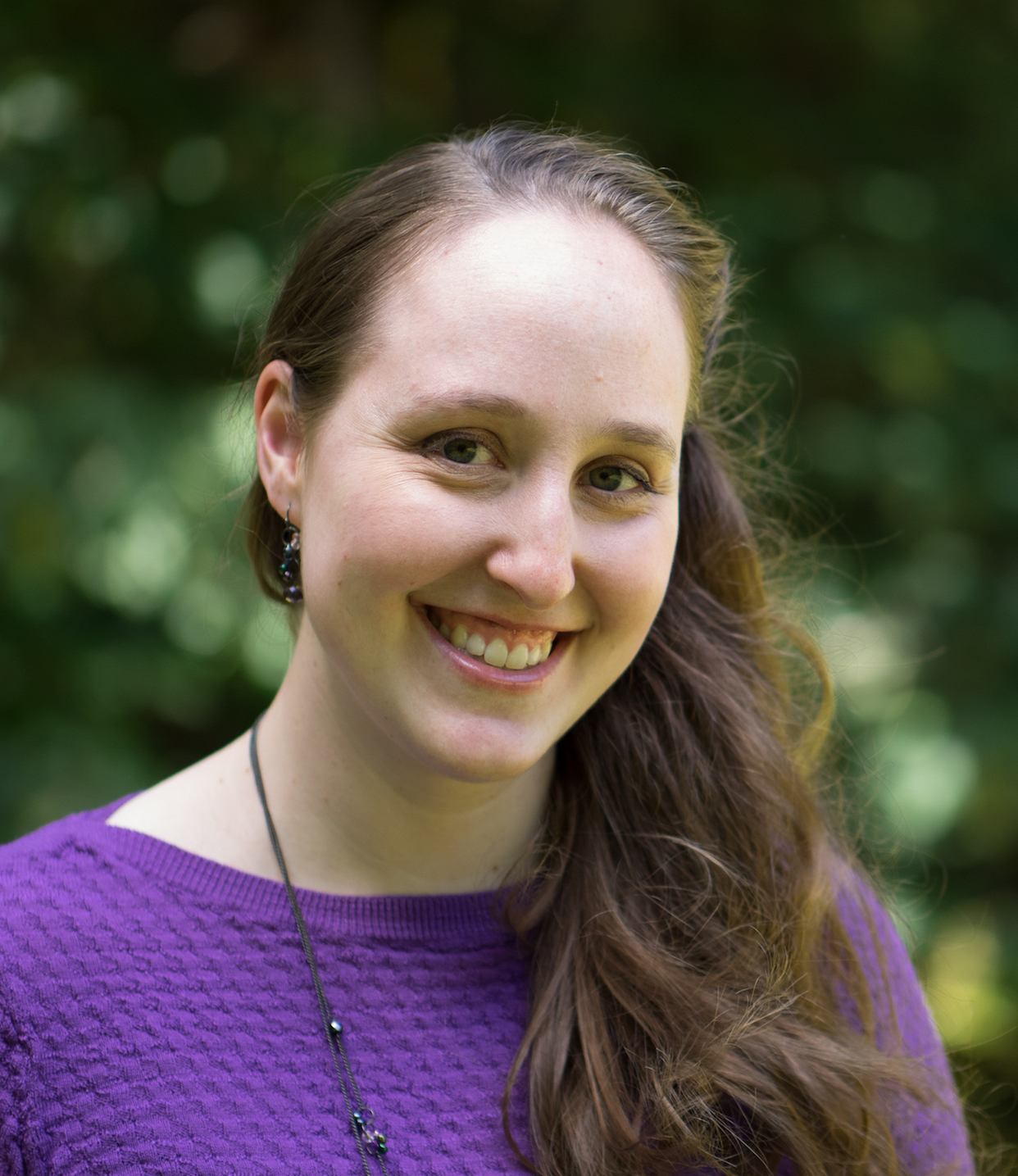
Kathryn Arnold writes fantasy and anything else that sparks her creativity from her home in Kingston, Washington. She currently earns her living as an insurance underwriting assistant, where she also creates marketing and web copy. When not writing, she plays (and teaches) piano and keyboard in a band (or two), and is working on starting a ministry team with her husband. You can find Kathryn at www.skyfirewords.com.