SWRT 241 | Character
February 17, 2022

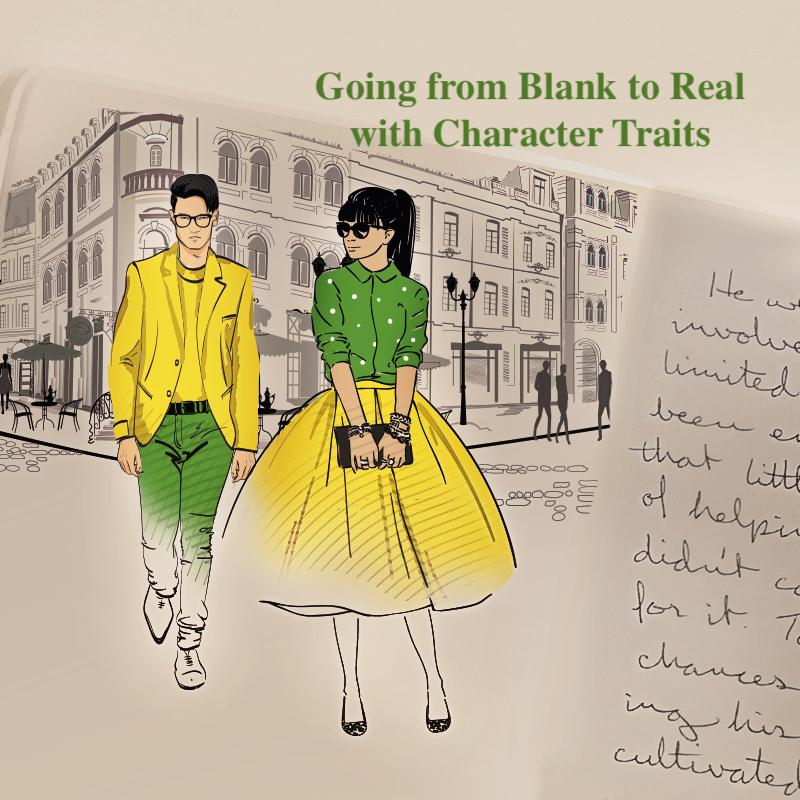
Could your characters benefit from a writing lesson? Alida has creative writing workshops available today on character traits, a master class in character development, story structure, plot, and more.

Live workshops for Spring 2022 are coming soon! Details at www.storyworksfiction.com 

This week on Story Works Round Table, Alida, Kathryn, & Robert talk character. What to do when your supporting characters resist the roles you’ve given them? Do you really need them all? What about developing new skills over the course of an arc? 


VIDEO


AUDIO


SHOW NOTES

What we talked about:

What is really going on when your character is giving you trouble? (2:20)

What about secondary and tertiary characters? (5:18)

Why is your character there? How do they serve the story? (6:49)

Alida defines the CCC – and how knowing the history can help develop your character. (14:23)

Use your tools to shortcut the less important characters. (18:20)

Be realistic, honest, and efficient with your characters! (19:55)

The problem of too much and too little. (24:07)


RELATED EPISODES

SWRT 17: Finding Your Protagonist

What is a protagonist, and does your story need one? What are the stakes your protagonist needs? Who is the right person to tell your story? And how is a protagonist different from a point of view character? And ultimately, do you have to discover one thing before another in your pre-writing process?

SWRT 076 | Character Agency

What is agency? How does it work in your story? And what does it look like? When is your plot driving your character, rather than your character driving the plot? How can you diagnose agency issues? And how can you maintain that agency all the way through your climax, even with a cast of characters?

SWRT 021 | Distinct Characters

How do you know if you have created a distinct character? How important is role? And what is a supporting character anyway? How do motivation and subplot work toward giving your characters individuality? And what sort of tools can you use to help create these individuals? In the end Alida wraps it all up together, and even gives some great exercises to help you create distinct characters.

SWRT 1: Challenges of Writing Characters

Have you ever struggled with your antagonist or supporting characters motivation? Or wonder what kind of work you need to put in before you start writing? We even get into what we do for character sketches and how our journals will lead to posthumous fame!

SWRT 067 | Character Descriptions

How should you introduce your characters? We each bring an example showing how to use action or narrative exposition to introduce your character to your reader. Remember just like everything in writing your description should do more than just describe your character.

SWRT 131 | Strong Female Protagonists with Judy K Walker

What makes a female protagonist a strong female protagonist? And where does that strength come from? How aware of social and cultural norms should you be when developing a strong female protagonist? And is strength unique to genre?

SWRT 3: Are We Our Characters?

Do we write ourselves into our novels? Is everything we write autobiographical? And what if you don’t have the experiences your characters do?

SWRT 029 | Emotional Wounds & Character Arcs

What is a character arc? What are the three kinds of character arcs and four main components of a character arc? How can you use Maslow’s hierarchy of needs to help with pre-writing? And how present does your characters wound need to be? Should you state it outright? Or should you weave it into the narrative? How many of your characters need wounds? And how can it affect your antagonist? Finally we discuss the details of finding your wound, and what it might do to your character.

SWRT 111 | Using One Character to Influence Another’s Arc

Kathryn explains an exercise in pre-writing she has been using to deepen her character arcs and relationships within her novel. We explore how it would affect sub-plots, character relationships, and arcs. What problems could this help you avoid? And how could you use it to develop your antagonist as well? We talk about how Kathryn got into this kind of development, and whether or not it would work for every kind of story!

SWRT 151 | Unicorns & Fairies

What is a scene stealing adorable character? And how do we create them? Are they deliberate or accidental? And what do you do with those who don’t speak English? Are these characters three dimensional? And when have they earned their own spin-off?


LINKS

Get Alida’s Writing Tips here.


Have thoughts, questions, other examples? Join the conversation at the Story Works Writers Facebook group

0 Comments

Submit a Comment

Your email address will not be published. Required fields are marked *

Do you enjoy the show?

Do you learn something every week?

Do you feel like you have company on your writing journey?

About Your Hosts
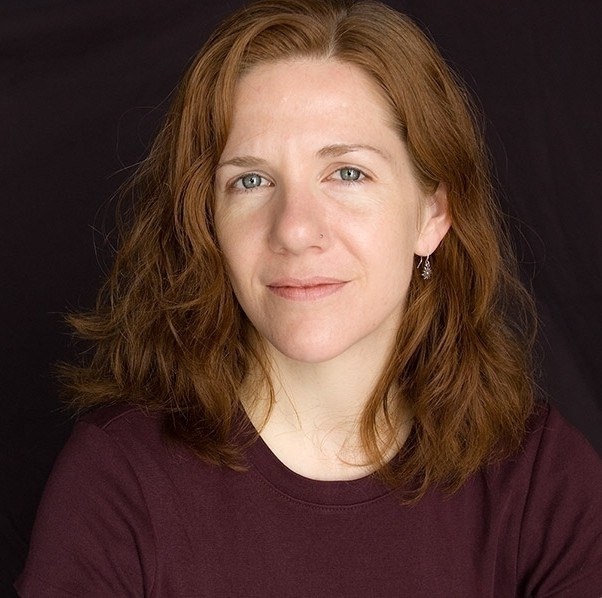
Alida

Alida Winternheimer is an award-winning author with an MFA in writing from Hamline University. She pursues her fervor for all things story as a writing coach, developmental editor, and teacher. Three times nominated for the Pushcart Prize, she is also a notable in Best American Essays and winner of the Page Turner Award. Author of The Story Works Guide to Writing Fiction Series, Alida lives and writes in Minneapolis, Minnesota. She camps, bikes, and kayaks in her free time. Unless it’s winter, in which case she drinks chai by the fire. You can find more at www.alidawinternheimer.com.

Kathryn
Kathryn Arnold writes fantasy and anything else that sparks her creativity from her home in Kingston, Washington. She currently earns her living as an insurance underwriting assistant, where she also creates marketing and web copy. When not writing, she plays (and teaches) piano and keyboard in a band (or two), and is working on starting a ministry team with her husband. You can find Kathryn at www.skyfirewords.com.

Robert
Robert Scanlon was born in Australia, but whisked off to England when only a baby. After many years complaining about the weather, he did the sensible thing and moved back to Australia. Despite a career in the music industry, followed by decades teaching public speaking, Robert is an introvert who adores reading. Robert grew up on a diet of sci-fi masters, eventually discovering he had read the library’s entire science fiction section. Now he has to write his own. Robert is the author of Constellation, book one of the Blood Empire space opera series. Find out more at www.RobertScanlon.com